12
Aug
Aussies in NCAA
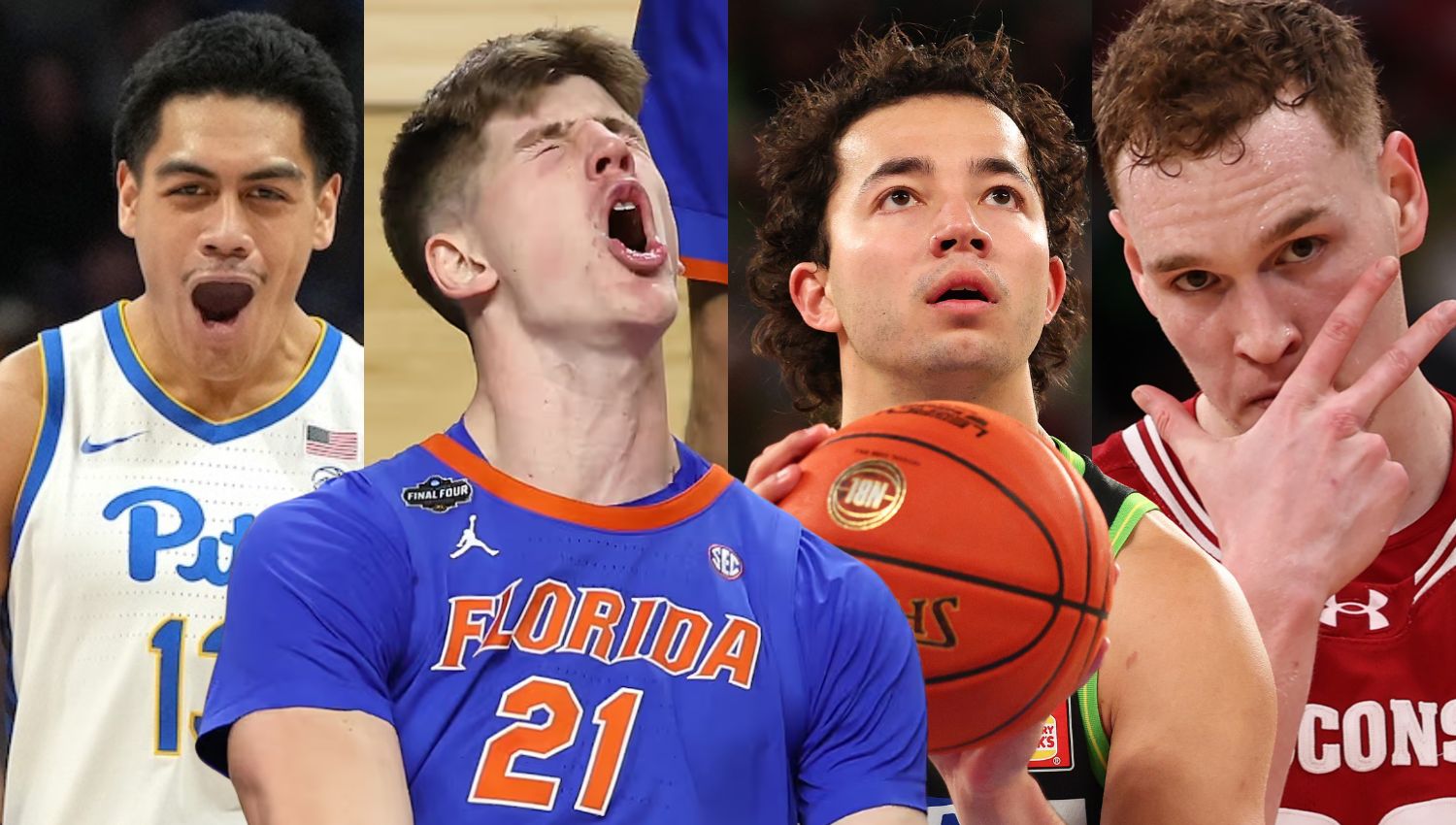
Dell'Orso, Mackinnon, Wessels, Rouhliadeff pass on fifth year

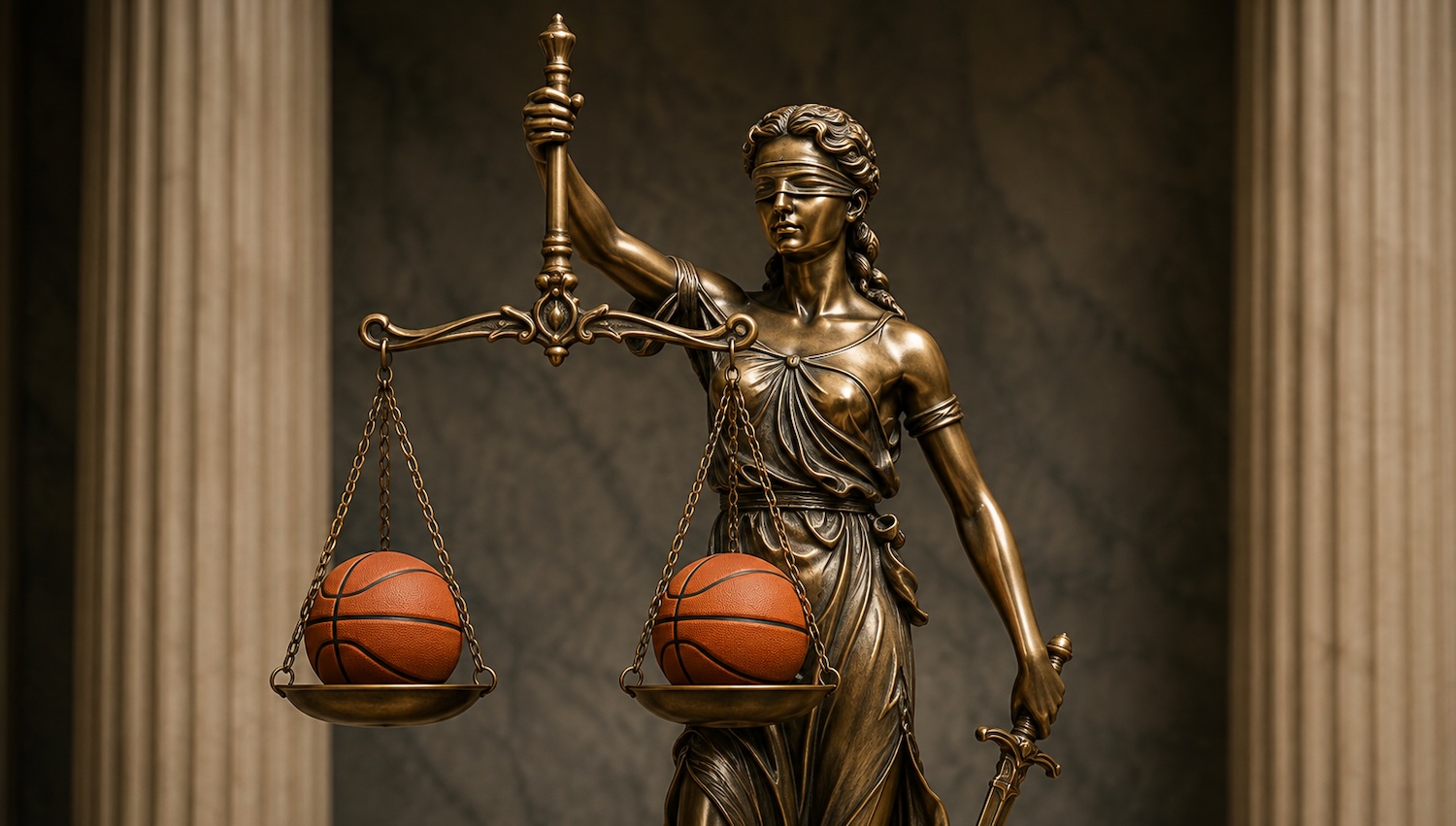
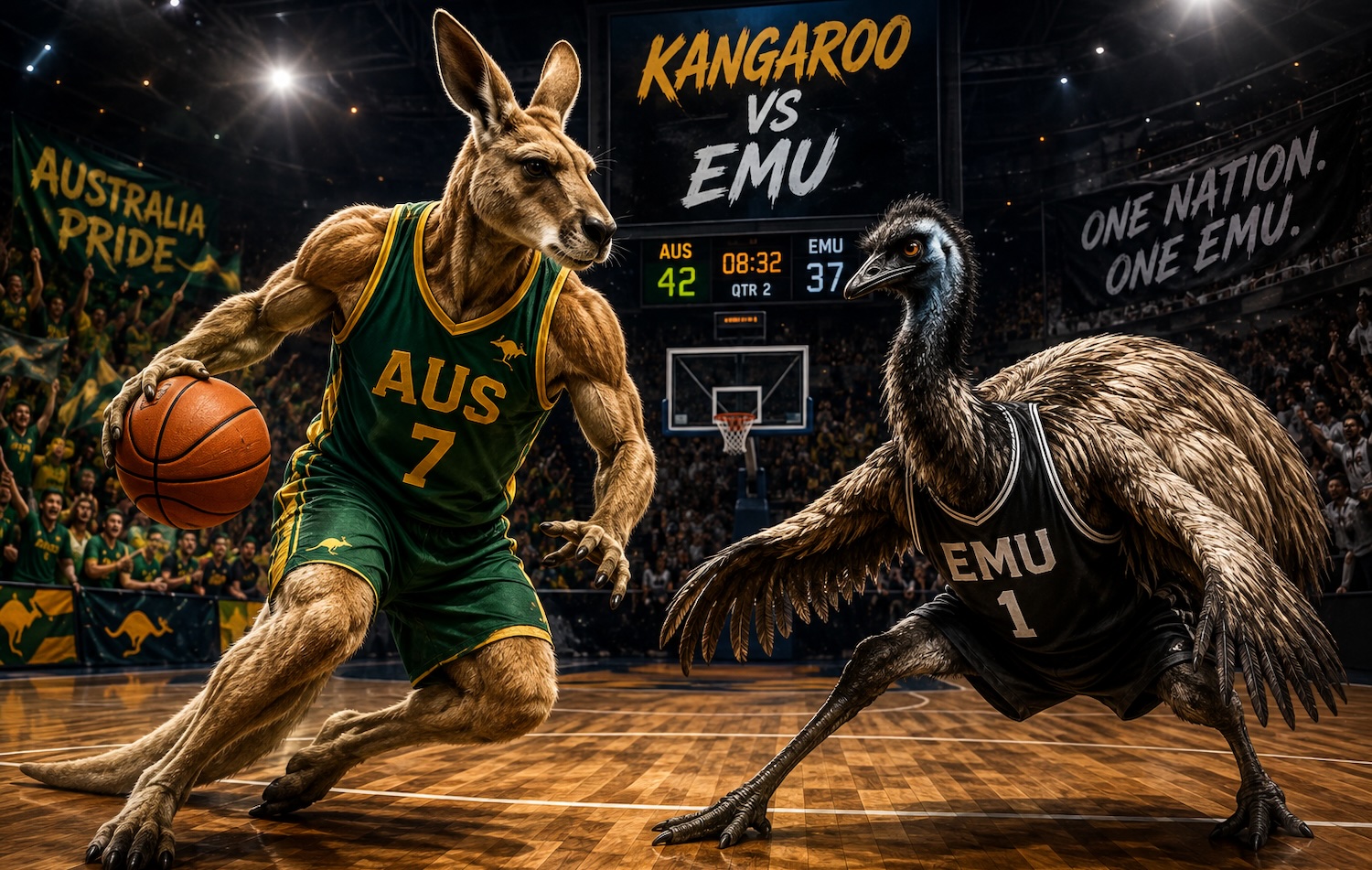
Judge Charlotte Sweeney of the US District Court of Colorado granted a class-wide preliminary injunction in Wisne v. NCAA. Image: AI Generated.
Four Australians signed NBL contracts for NBL27. A US court has reopened their college careers.
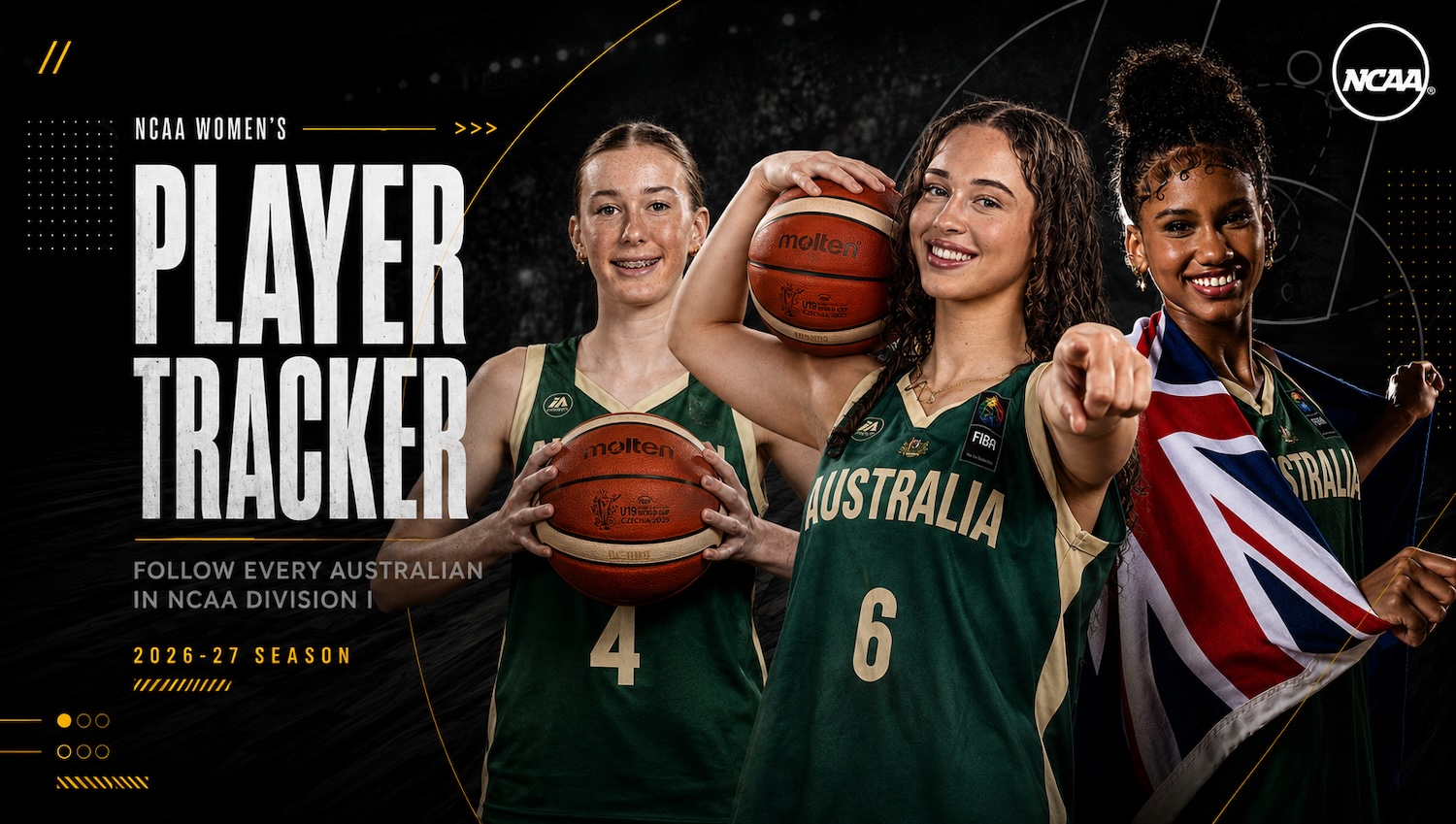
- Every Australian in NCAAW basketball in 2026-27
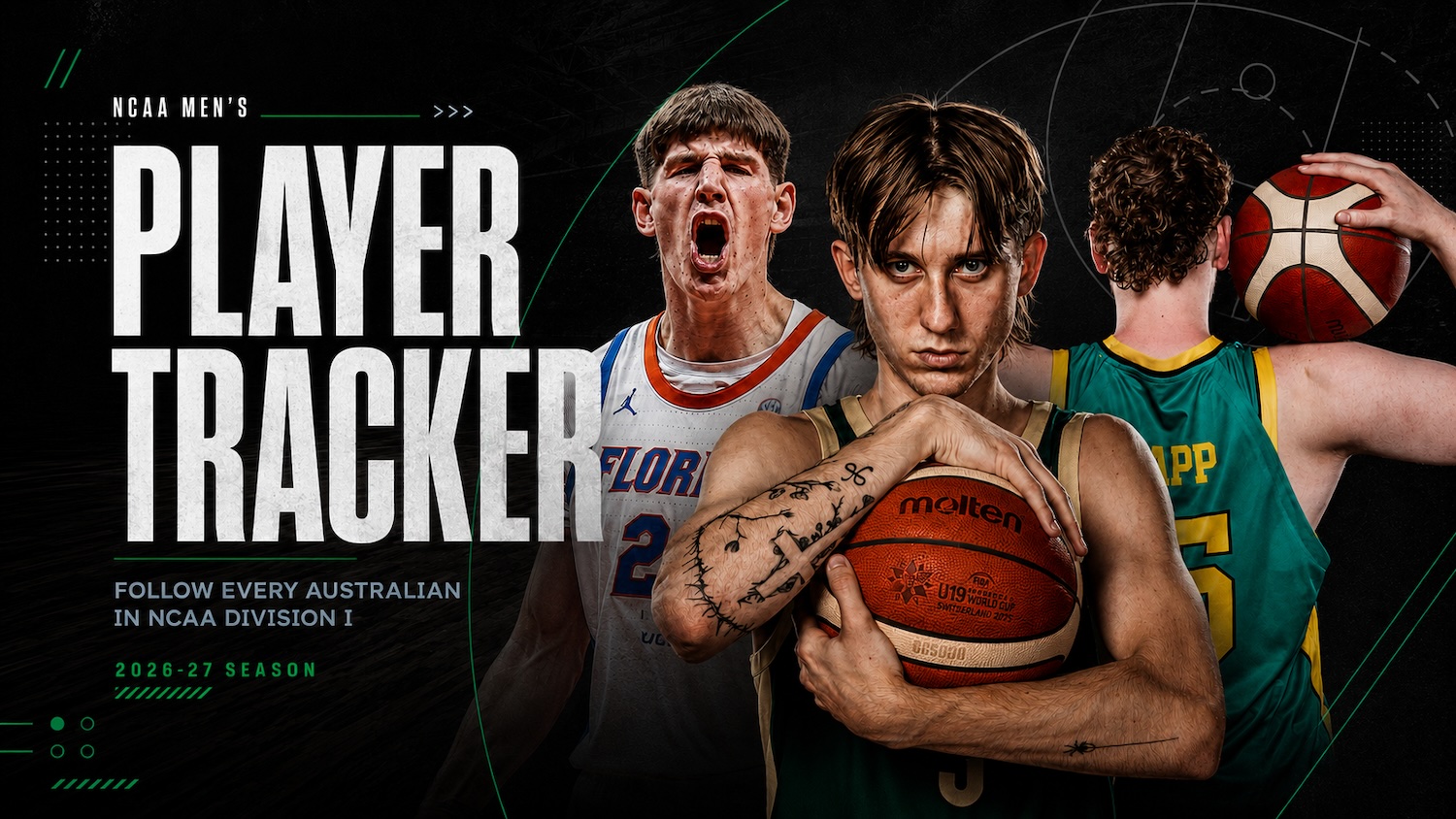
- Every Australian in NCAAM basketball in 2026-27
- Only three Australians remain in NCAA transfer portal
Perth Wildcats recruit Anthony Dell'Orso will play NBL27 after all, the American court window that could have sent him back to college basketball shutting on August 10, 2026, with all four Australians staying exactly where they signed.
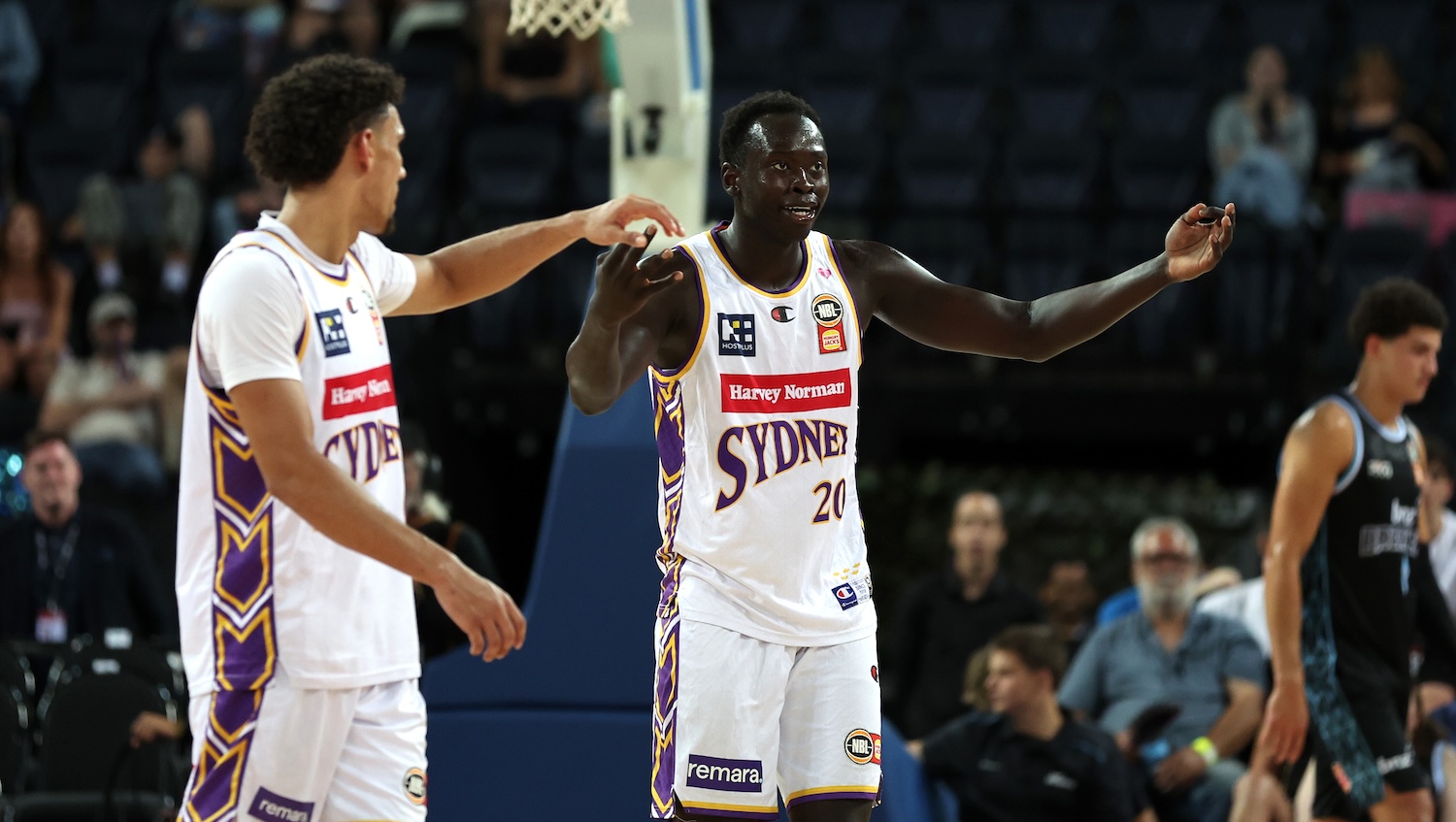
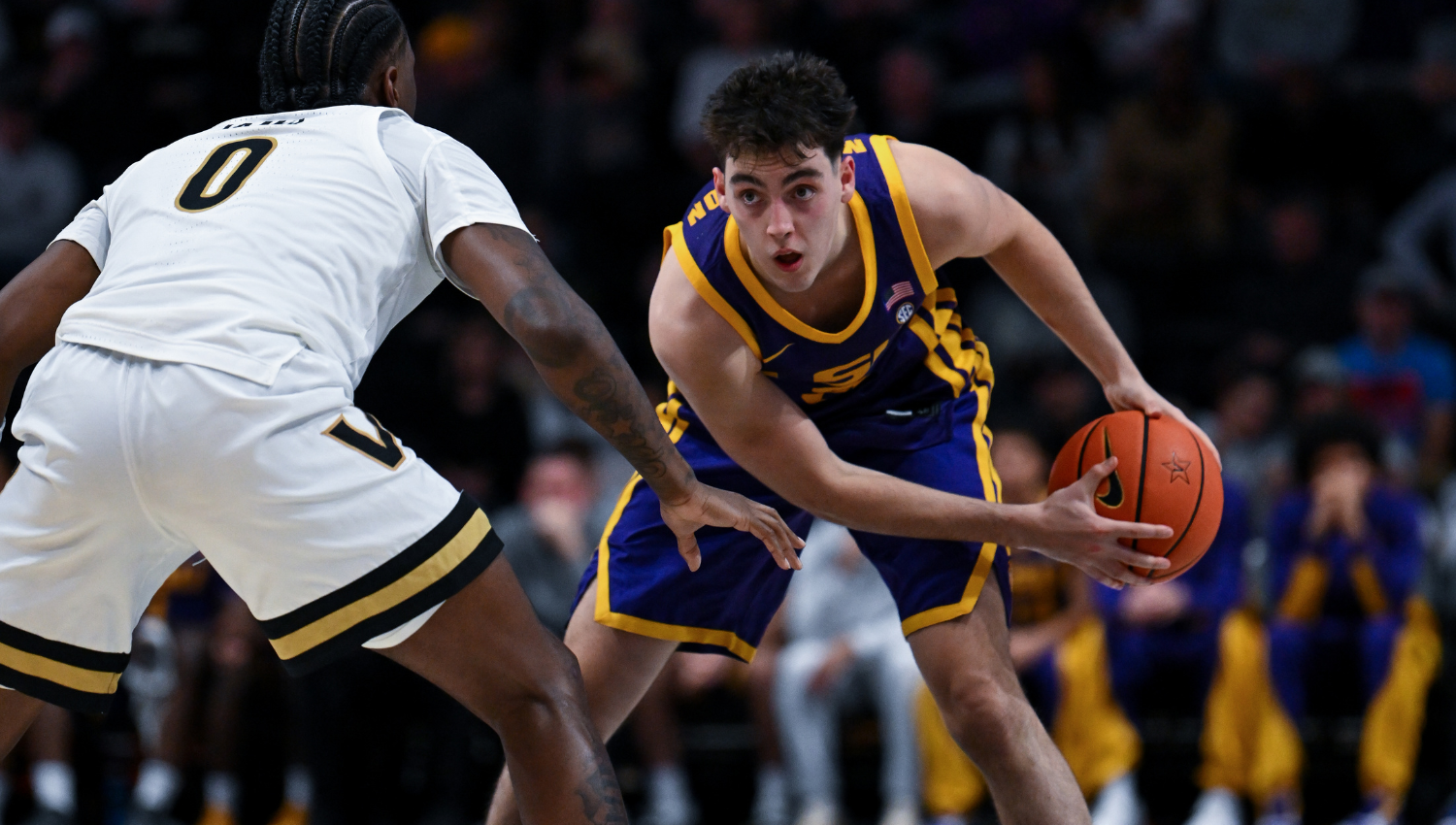
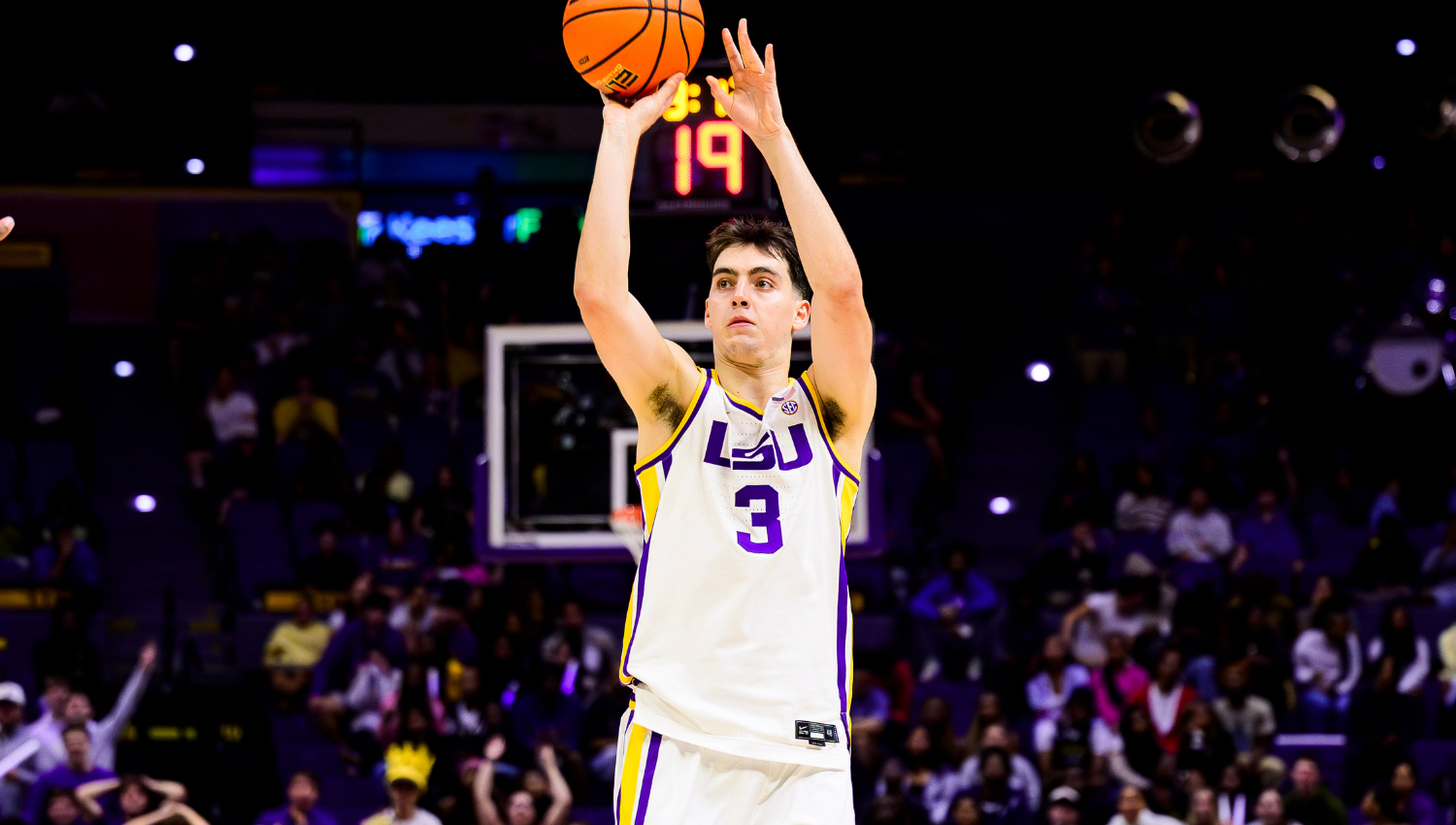
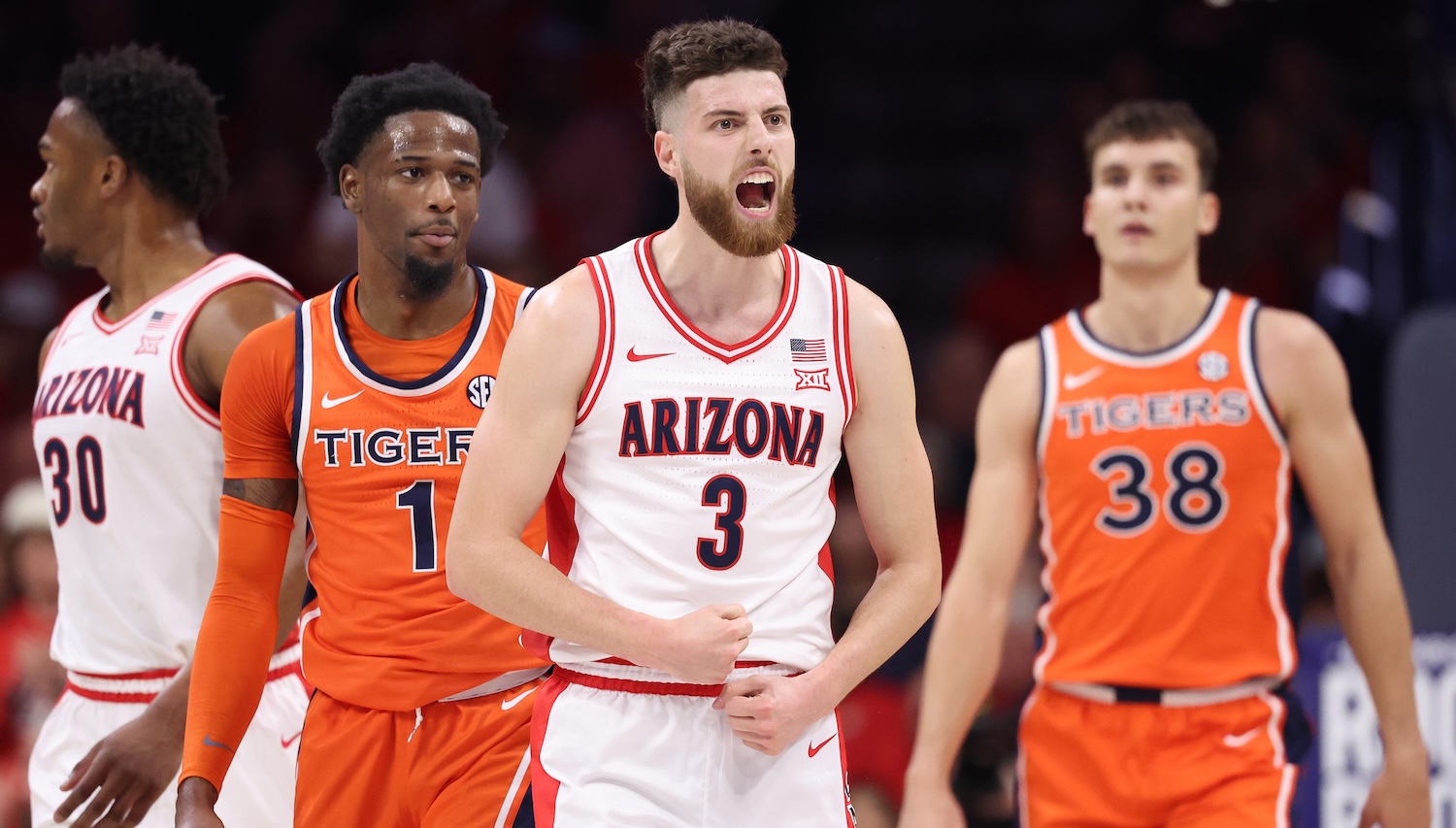
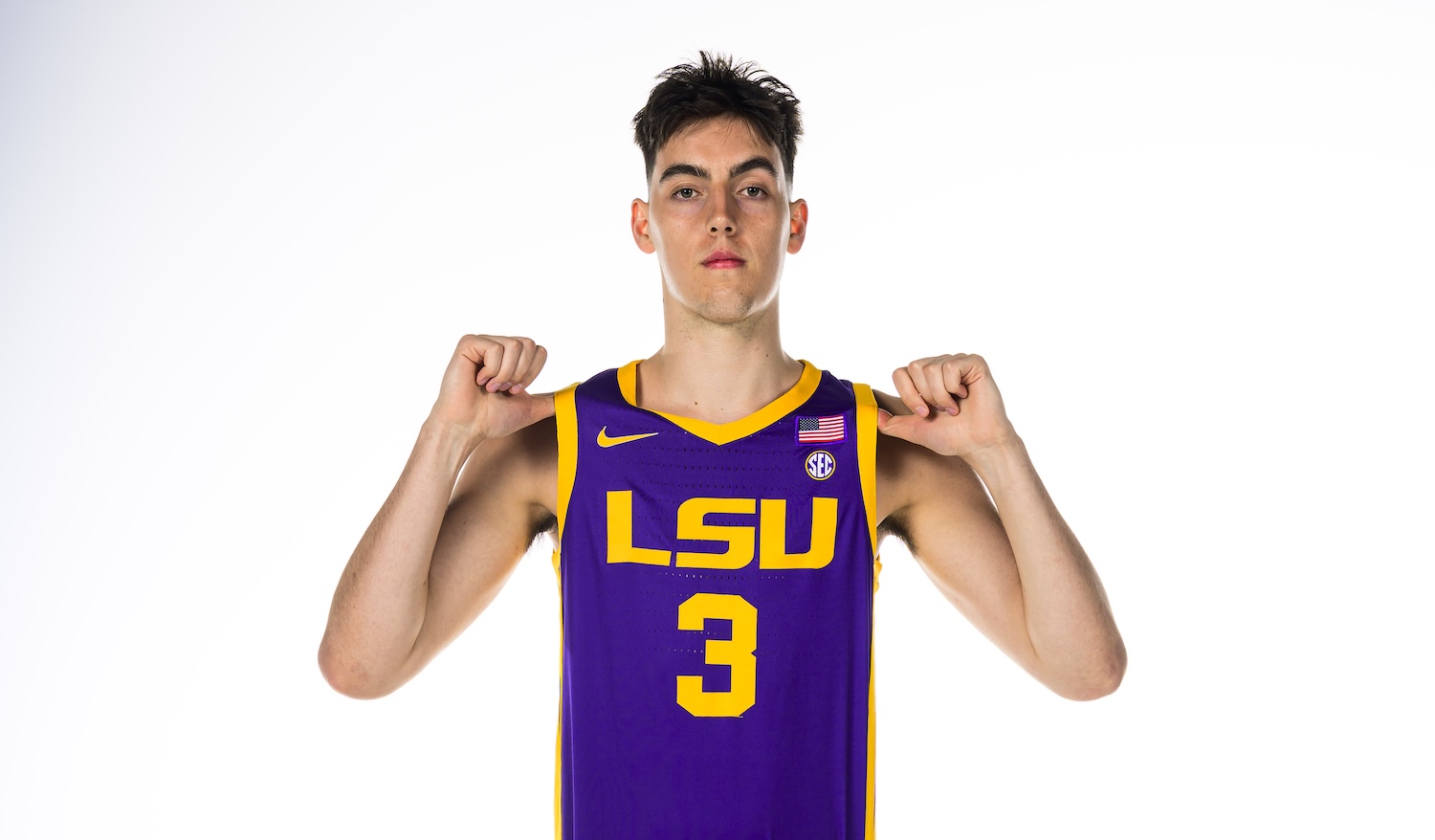
Dell'Orso finished at Arizona. Max Mackinnon, who finished at LSU after Elon and Portland, is a Brisbane Bullet. So is Harry Rouhliadeff, four years at Hawaii. Harry Wessels, four years at Saint Mary's, is a Sydney King.
Four players, four NBL clubs, and a door that opened for seven days and closed again.
Judge Charlotte Sweeney of the US District Court of Colorado certified a nationwide class in Wisne v. NCAA on July 31, 2026 and ordered the NCAA to declare eligible a group of players who had run out of eligibility this spring, according to documents obtained by On3.
The case was brought by University of Northern Colorado forward Brock Wisne and eleven other Division I athletes. The NCAA's new age-based eligibility rule had taken effect on August 1.
The class covers anyone who began collegiate sport in the 2022-23 season, competed in NCAA Division I, and completed four years of eligibility by the end of 2025-26.
All four men fit it exactly, with four straight seasons and no gaps.
Their transfer portal window ran from August 3 to August 10, United States time. None of them used it.
The calendar was always the argument against it. NBL27 opens on September 19, 2026 and closes on February 14, 2027, while the American college season runs from November to April. A fifth college year does not cost a player part of an NBL season. It costs him almost all of it.
The case they walked away from is still running
The NCAA appealed Sweeney's injunction to the US Court of Appeals for the Tenth Circuit on August 3, 2026, and sought an emergency stay, telling the court it would suffer irreparable harm if the ruling stood.
That appeal is still open. No stay has been granted.
So the fifth year these four passed on remains available, and what closed the door on them was the portal deadline, not the ruling.
Sweeney had already refused to move once. NCAA chief legal officer Scott Bearby called her decision "egregiously wrong" in a memo to member institutions, and the association filed an emergency motion for clarification. She granted the motion on August 2 and left the injunction untouched.
"The NCAA is enjoined from prohibiting Plaintiffs and Class Members from competing in a fifth season of collegiate athletics under the Rule (as defined in the preliminary injunction order) or any NCAA Bylaw," the order reads.
That is broad. Two lines underneath it determined whether any of it was ever usable.
"The Court's order does not enjoin the operation of transfer rules."
And the court declined to stop schools deciding for themselves on age.
"The Court's antitrust analysis did not result in the Court enjoining any member school from making eligibility decisions based on whether a student-athlete was over twenty years of age at the time of their enrolment during the 2022-23 season."
A fifth season was protected. Moving to a new school to play it was not, and every one of these players had already left the school where they finished.
Australians also tend to arrive on campus older than American first-year students, having come through NBL1, the Centre of Excellence, or an NBL contract. That is precisely the cohort the age carve-out leaves exposed, and it is the same cohort a bill now before the United States Senate would expose permanently.
How likely the ruling is to hold
Not as likely as the players would want.
Attorney Tom Mars noted the Tenth Circuit has "a unique track record of disfavouring mandatory injunctions", and legal analysts quoted by Sports Illustrated rate the NCAA's chances of overturning the Colorado ruling as reasonably strong.
The state court decisions look more durable. A few dozen players had already won in state courts before Colorado, more suits are running, and those rulings would survive an appeal that only reaches the class action.
There is one protection that holds either way. Most of the rulings have also enjoined the NCAA's restitution rule, meaning a player who competes under a court order cannot be punished retroactively if that order is later lifted.
What it does not protect is the season. A player can lose eligibility midway through one, and the forfeit arguments follow immediately.
And the litigation is spreading, not settling
Five further cases have been filed against the NCAA since we first reported this.
Campbell et al v. NCAA landed in the Colorado District Court on August 10, 2026, the same day an earlier Campbell case in the Illinois Northern District closed. Evans v. NCAA was filed in the North Carolina Eastern District on August 7. Loriot et al. v. NCAA entered the West Virginia Northern District on August 3, the same day the NCAA lodged its appeal.
Cruz v. NCAA is running in Nevada, and Chambers v. NCAA is before the Ninth Circuit.
Six separate courts, one rule.
For the four Australians, it no longer matters. Every one of them will be on an NBL floor in September.
The money that made it a decision at all
The reason any of them would have considered going back is money, and the market has already shown what it pays.
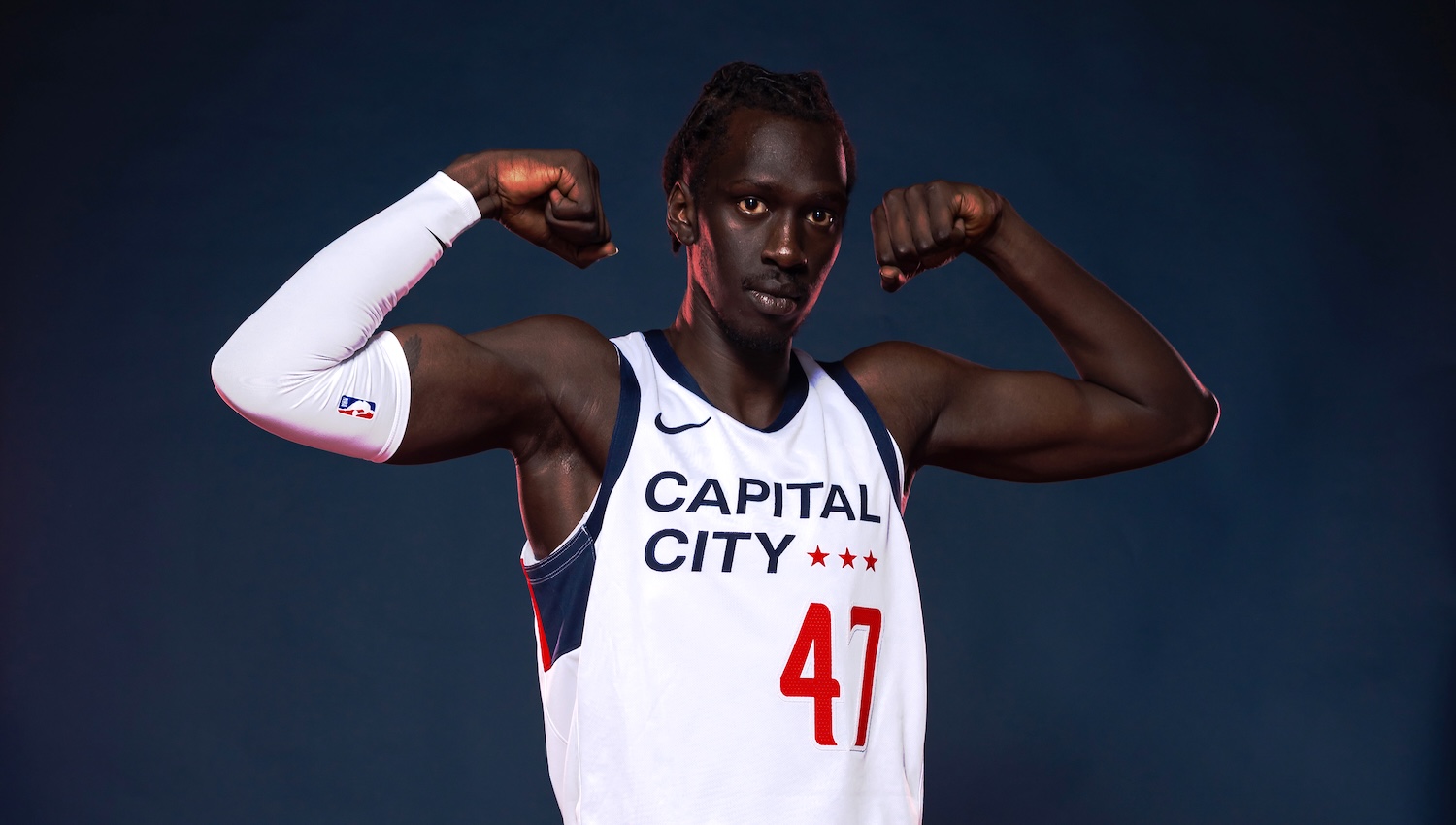
Purdue centre Oscar Cluff, once an apprentice welder on the Sunshine Coast, was likely Australia's top NIL earner, with his deal understood to be between USD $1.5-2.5 million. South East Melbourne Phoenix guard Owen Foxwell, contracted until the end of NBL27, went to Wisconsin. Perth's Ben Henshall had rumoured offers well into the seven-figure USD range.
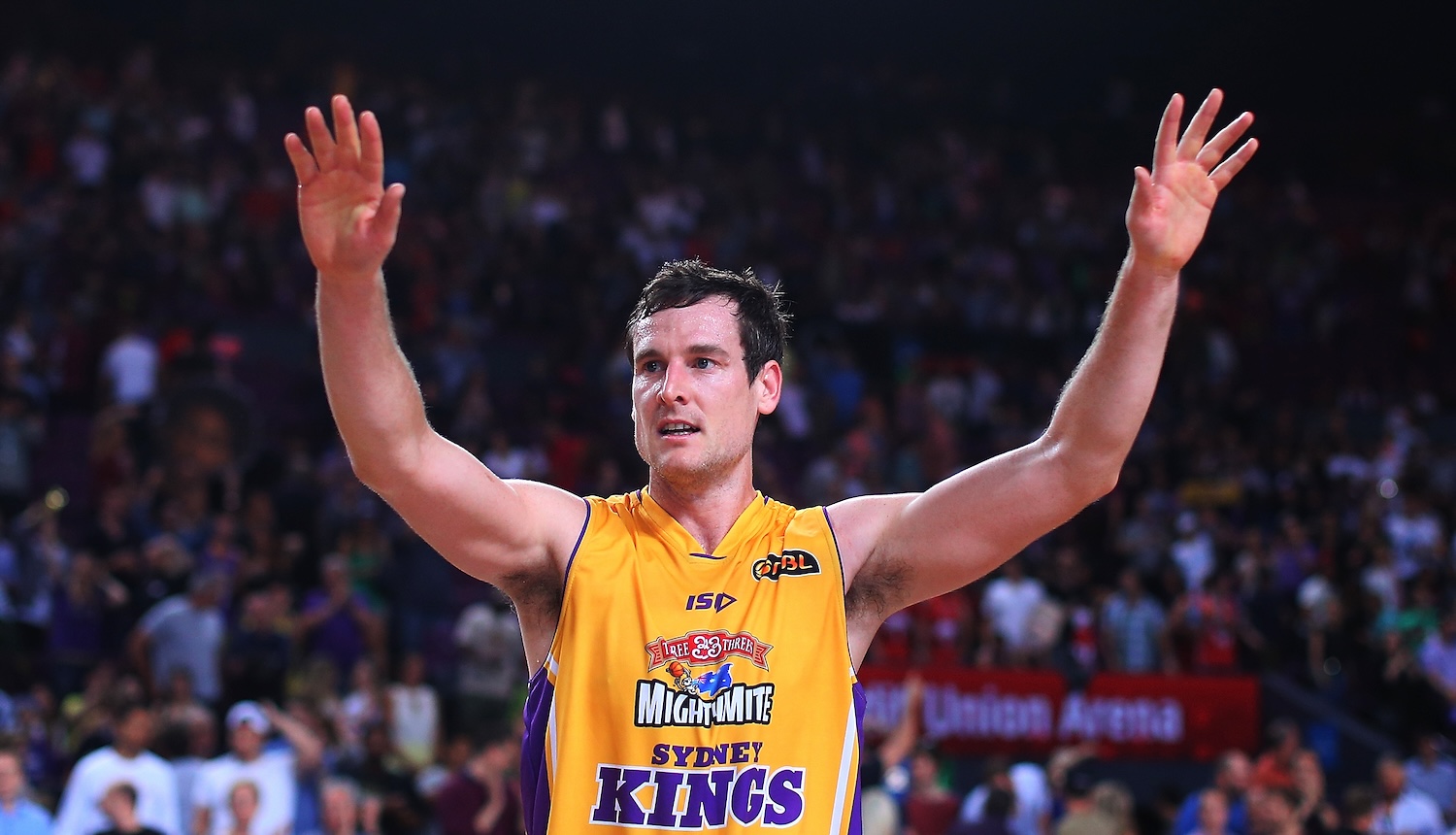
Ben Madgen, 41, the former Boomer and Sydney Kings captain who now works as an investment adviser, has watched the numbers climb.
"You've got college athletes between 18 and 23 earning seven figures a year, and for a lot of them, that NIL deal is the single biggest contract they will ever sign in their life," Madgen told basketball.com.au in an exclusive interview.
"Bigger than whatever comes after college, in plenty of cases."
There is a catch that applies to Australians and not to their American teammates. International athletes are typically on F-1 student visas, which restrict paid off-campus work, and NIL income generally falls into that category. The headline figures are not equally reachable.
Not everyone qualified, and the reasons are unforgiving
Cluff, the biggest earner of the lot, was the one with no way back. He began at Cochise College in Arizona in 2021-22, a year outside the window. Riley Parker went through the same junior college a year later and sits on the right side of the line.
A further group sits on one unresolved question. The class covers players who began playing collegiate sports in 2022-23, and junior college is a collegiate sport. Nate Deer and Riley Parker both started at junior college in exactly that year before reaching Division I.
Cluff never had the choice, and he has gone to Turkey
Oscar Cluff, 24, was never in the class, and no court has reopened anything for him.
He has signed with Glint Manisa Basket in Turkey's Basketbol Super Ligi for the 2026-27 season.
The 211cm, 116kg centre joins Johnny Davis, Boo Buie, Filip Barna and Paulius Danusevicius on Serhan Kavut's roster.
Cluff was on Purdue's Big Ten Tournament-winning side in 2026 and made the All-Tournament Team, then averaged 4.0 points and 7.6 rebounds in five NBA Summer League games with the Houston Rockets.
Australian men's basketballers eligible for a fifth year in college
- Anthony Dell'Orso, Arizona - Perth Wildcats
- Max Mackinnon, LSU via Elon and Portland - Brisbane Bullets
- Harry Rouhliadeff, Hawaii all four years - Brisbane Bullets
- Harry Wessels, Saint Mary's all four years - Sydney Kings
Australian women's basketballers eligible for a fifth year in college
- Tess Heal, Kansas State via Santa Clara and Stanford - Southside Melbourne
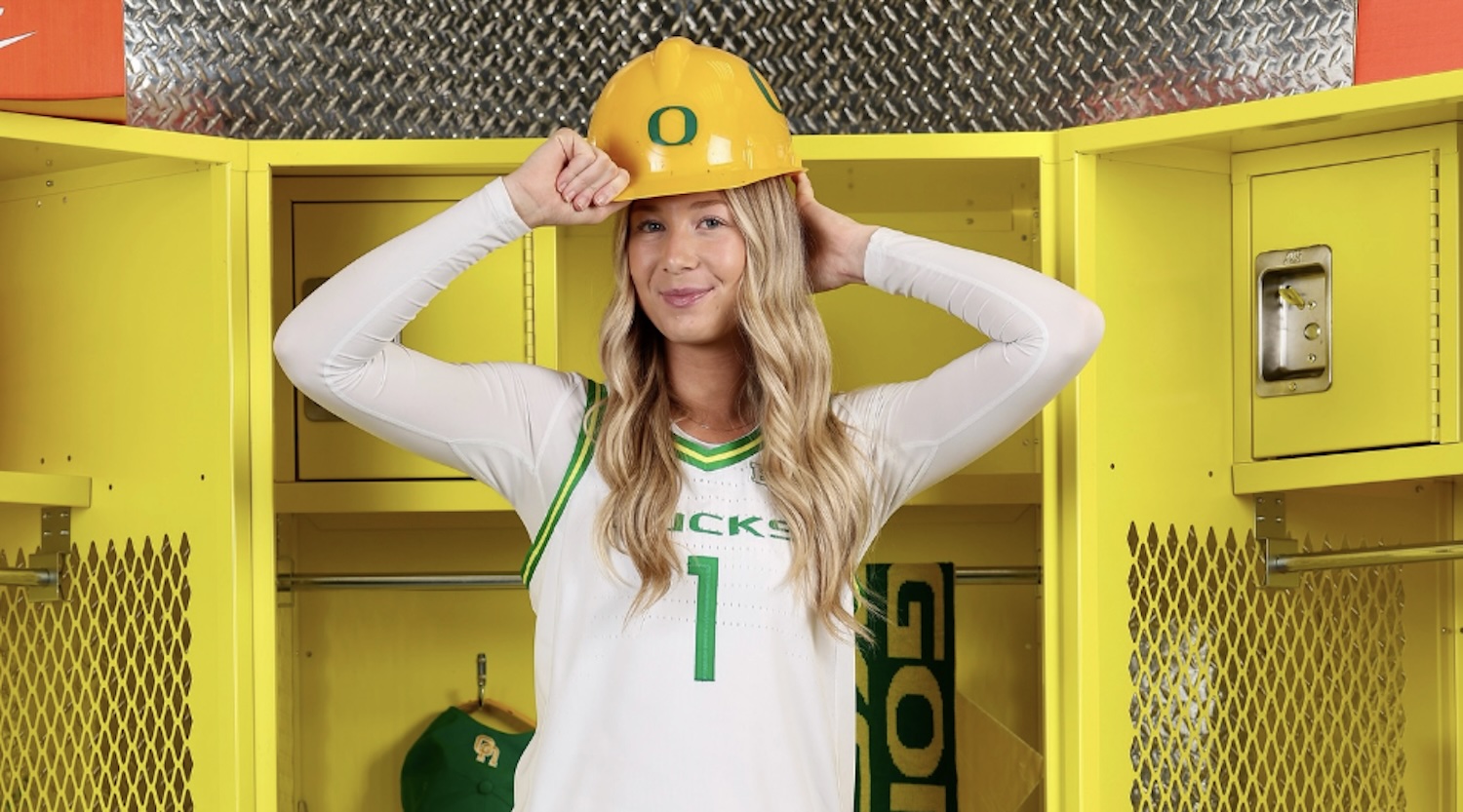
- Mia Jacobs, Oregon via La Salle and Fresno State - Tasmania Jewels
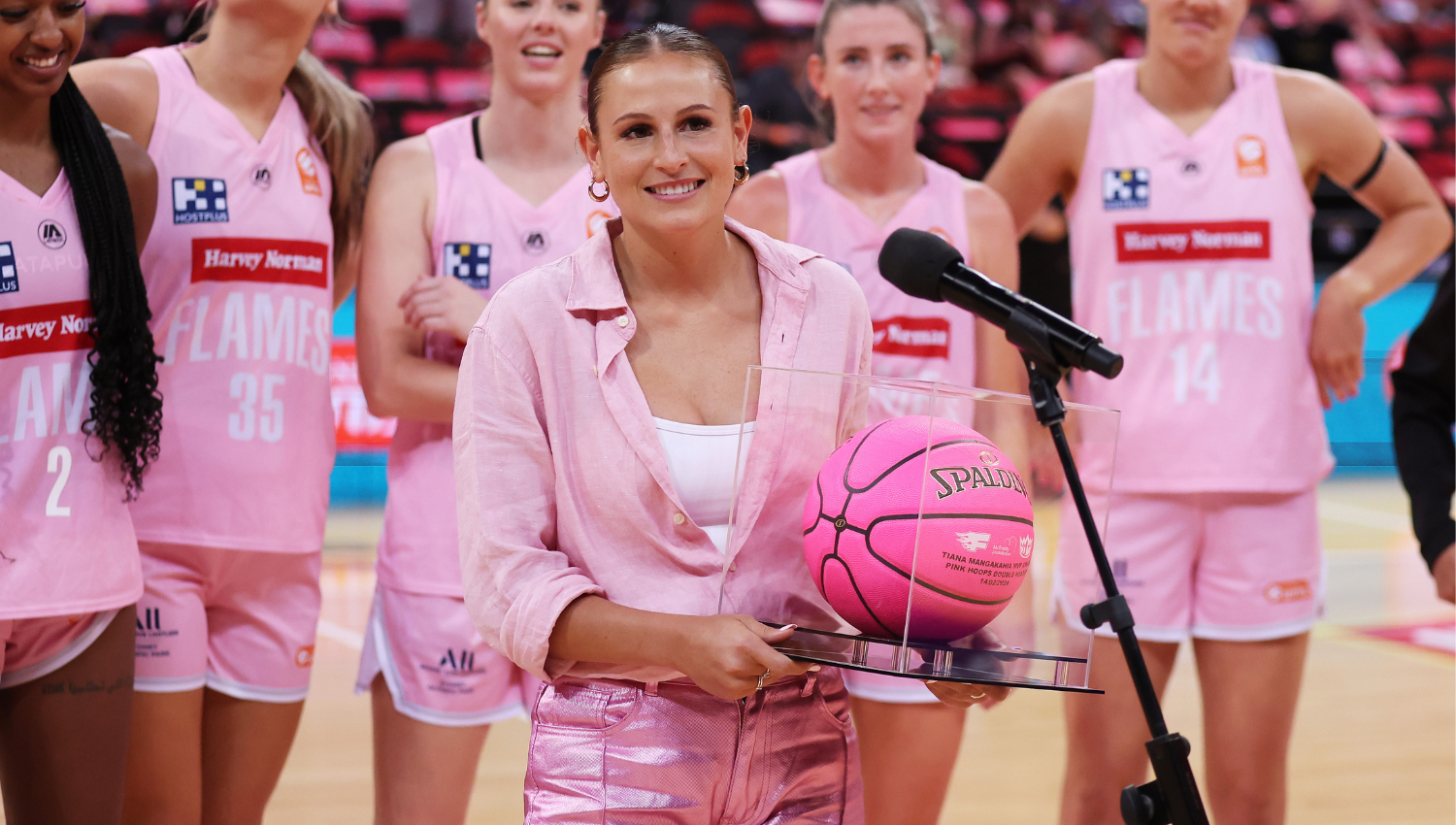
- Charlise Dunn, Davidson via Virginia Tech - drafted Toronto Tempo, signed Sydney Flames
- Amy O'Hara, Bradley via George Mason - played NBL1 for Waverley
- Alana Goodchild, Santa Clara via Northwestern - unsigned
- Dani Bayes, Boise State all four years - unsigned
- Antoniette Emma-Nnopu, Weber State via UNC Greensboro - unsigned
Australian men's basketballers not eligible
- Jayden Stone - Missouri Tigers: 1.93m Guard from Perth - began 2020-21 at Grand Canyon, two years outside the window
- Joseph Locandro - Maryland Eastern Shore: 2.0m Senior Forward from Melbourne - began 2021-22 at Barton CC, five collegiate seasons
- Lewis Rowe - Incarnate Word Cardinals: 2.08m Senior Centre from Adelaide - began 2021-22 at VMI
- Oscar Cluff - Purdue: 2.11m Senior Centre from Sunshine Coast - began 2021-22 at Cochise College, one year outside the window
Australian women's basketballers not eligible
- Abbey Cracknell - Marquette: 1.8m forward from Avoca Beach, NSW - junior college from 2021-22
- Amelia Raidaveta - Nevada: 1.88m forward from Dubbo - redshirt junior, never exhausted eligibility, on Nevada's 2026-27 roster
- Bree Stephens - Central Arkansas Sugar Bears: 1.82m Forward from Townsville - junior college from 2021-22
- Casey Valenti-Paea - Grand Canyon: graduate guard from Melbourne - began 2020-21 at Buffalo, five playing seasons
- Last-Tear Poa - Arizona State: 1.80m guard from Melbourne - already a fifth-year senior
- Lizzy Williamson - Oregon State: 1.96m centre from Adelaide - began 2020-21 at Southern Utah, six seasons plus a redshirt


.jpg)