
5
Aug
In-depth Analysis
'Please explain': Harrell's fury at Cooks' one-month ban

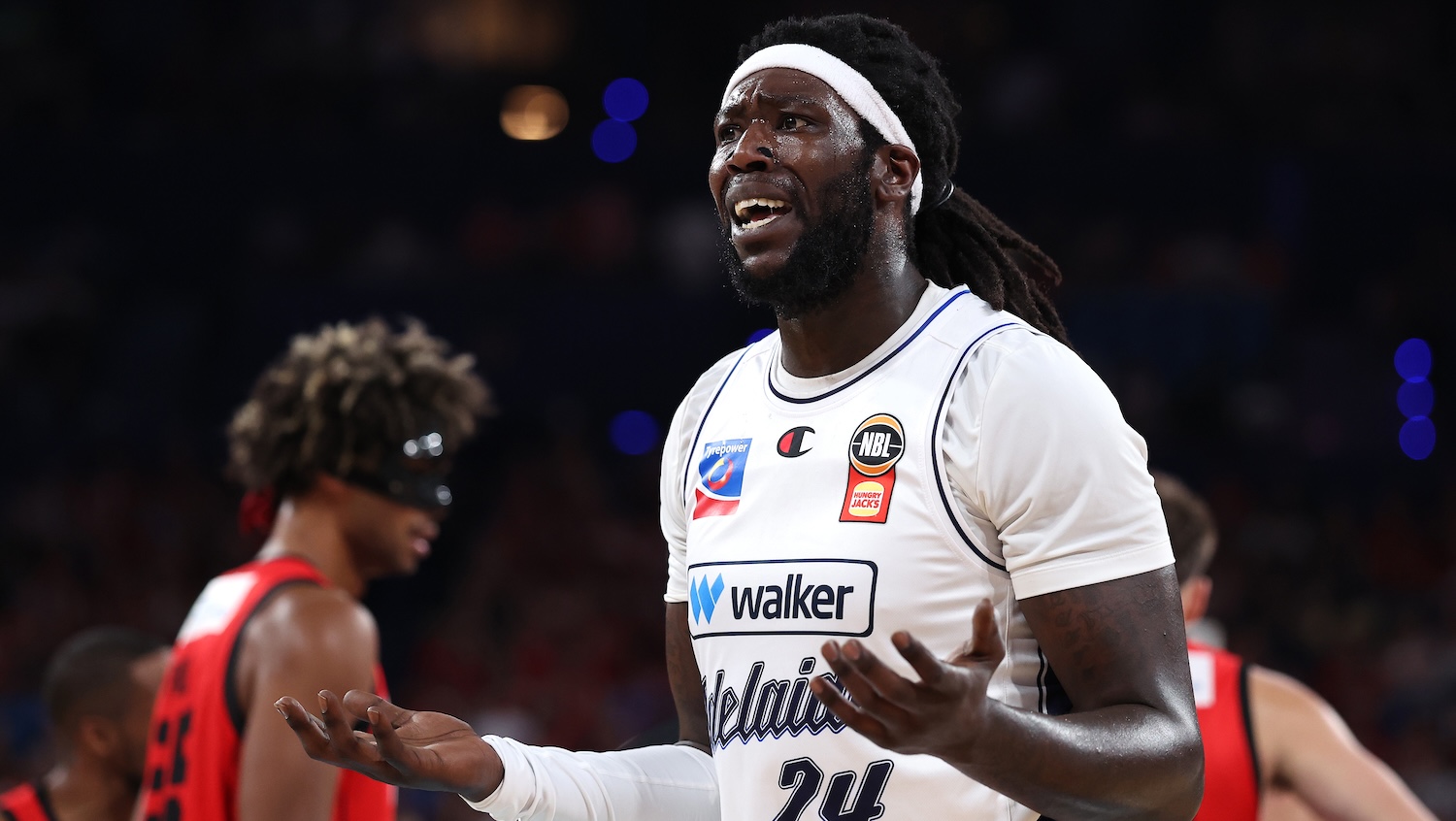
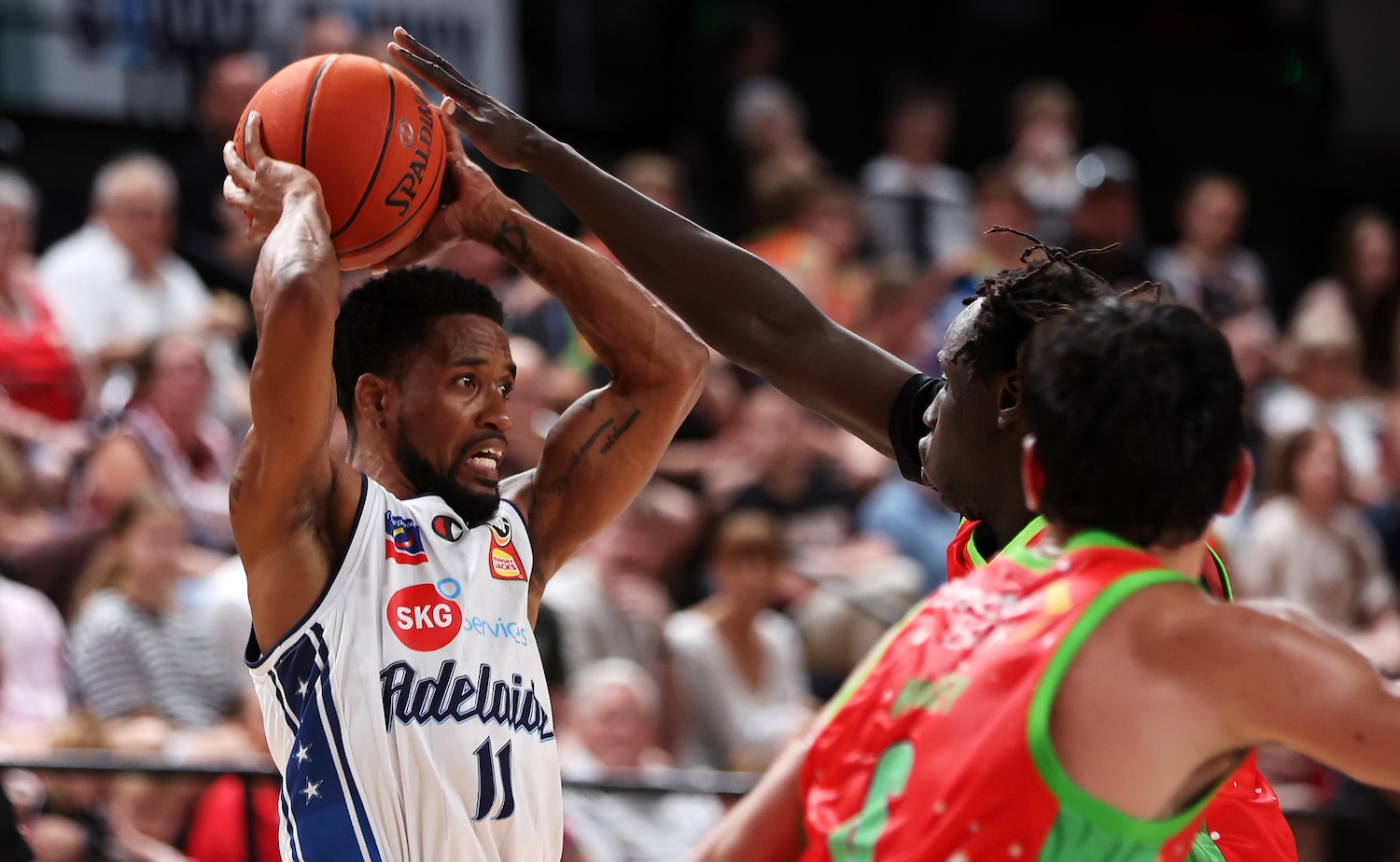
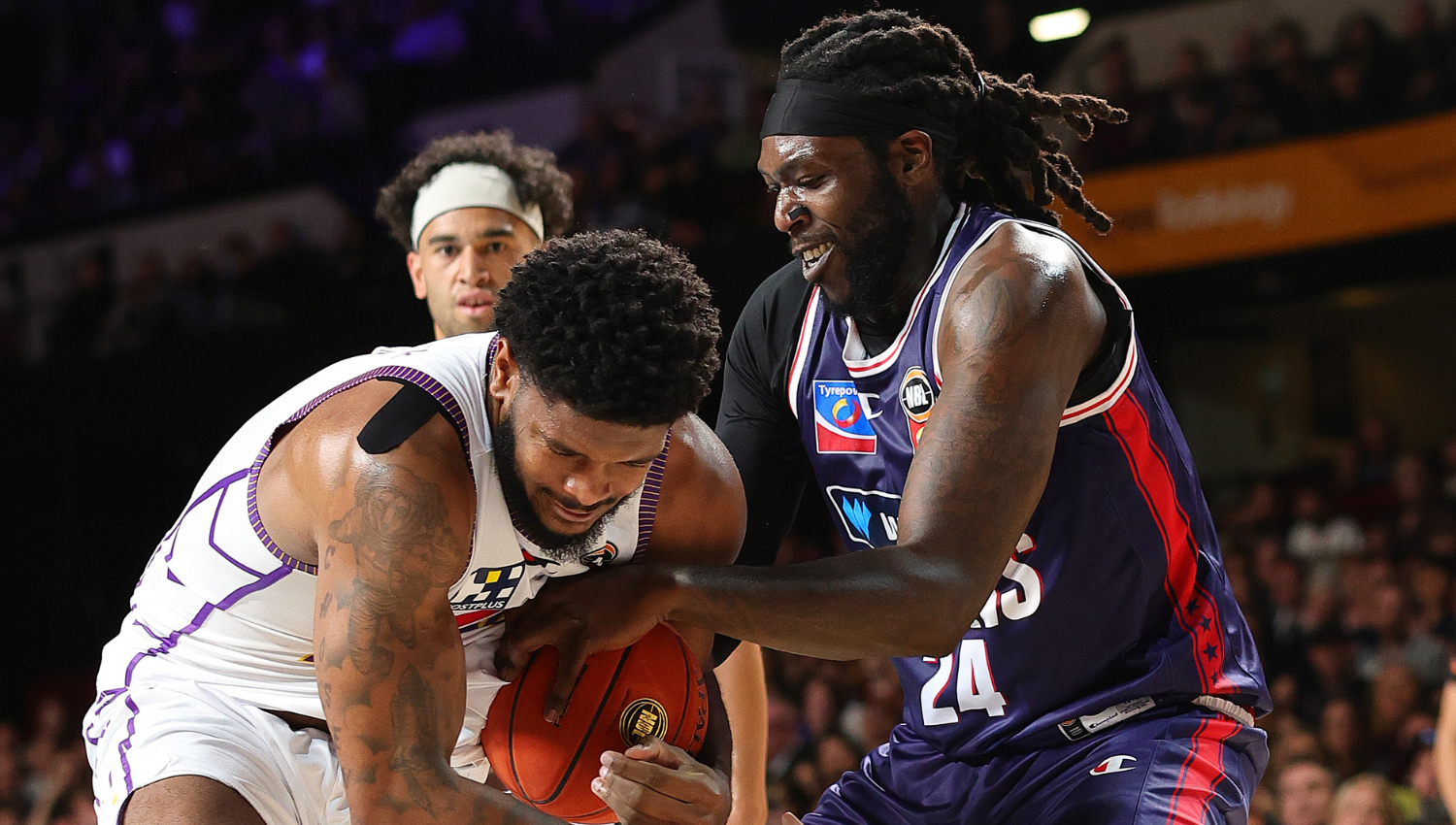
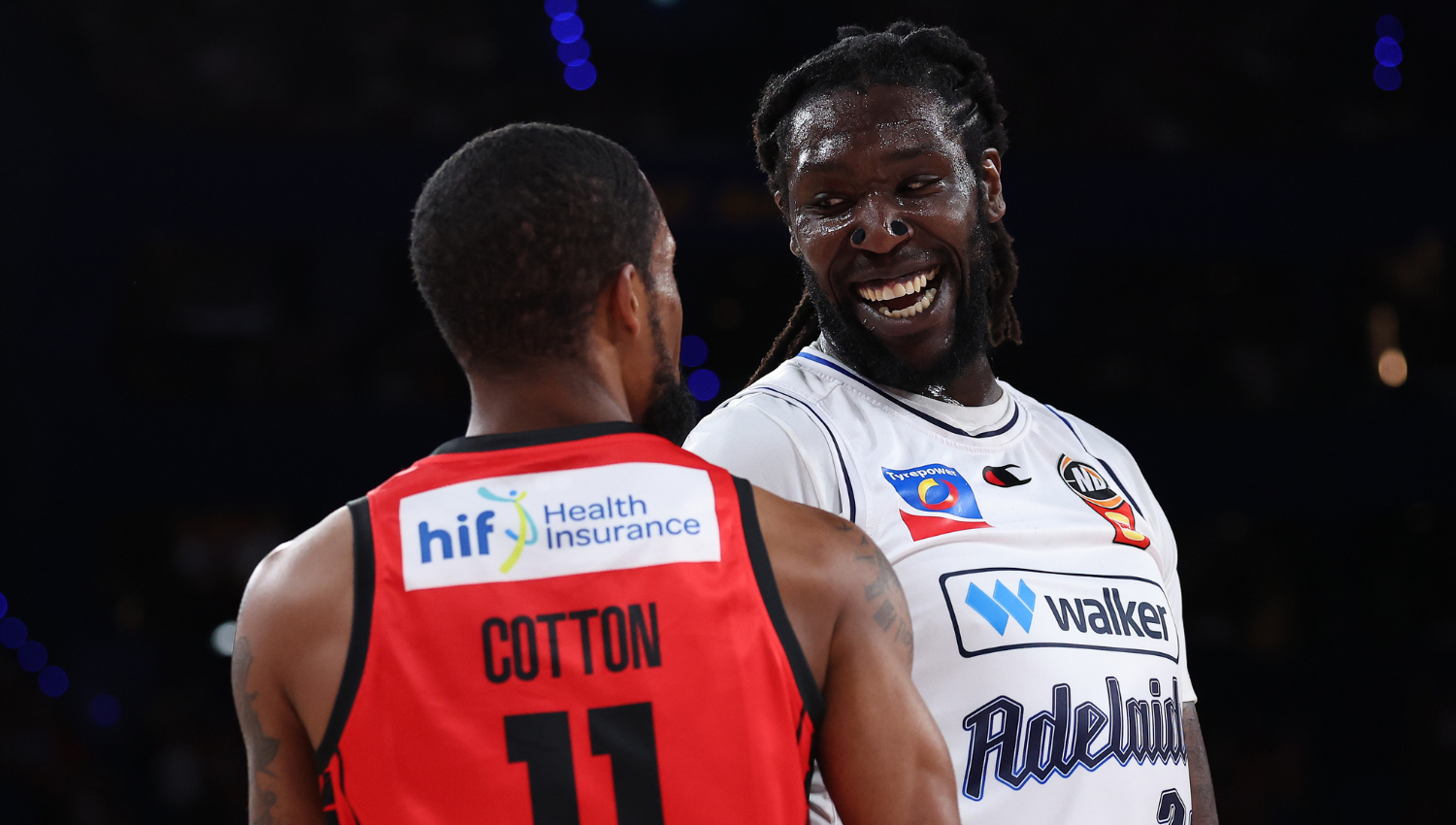
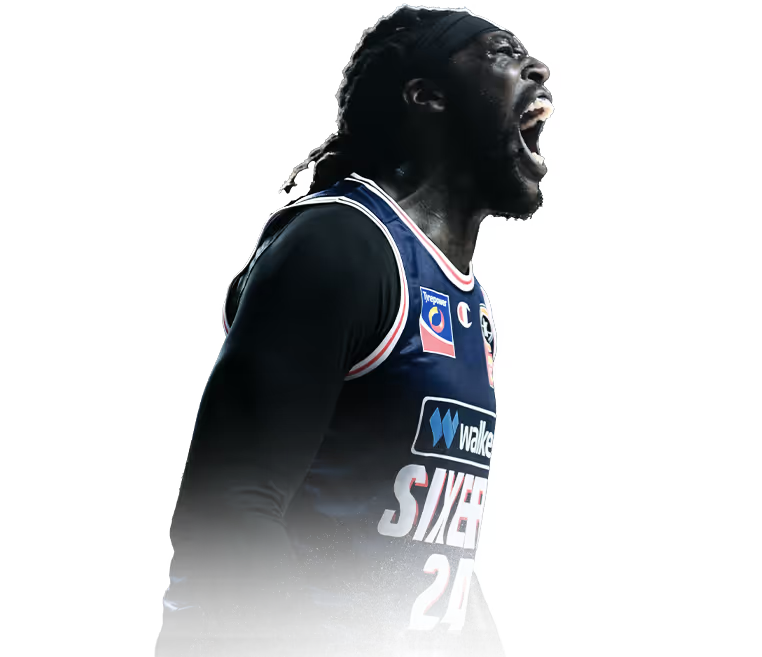
Adelaide 36ers import Montrezl Harrell reacts during the second half of the NBL game against the Perth Wildcats at RAC Arena in Perth on February 7, 2025. (Photo by Paul Kane/Getty Images)
Podcasts
One man failed a drug test and served a month. The other never finished one and lost two years.
- Montrezl Harrell's ban comes back to haunt him in Puerto Rico
- EXCLUSIVE: Montrezl Harrell reveals hurt over Adelaide 36ers exit
- 'I couldn't wait': Most electric NBL duo that never was
Former NBA Sixth Man of the Year Montrezl Harrell has accused the NBL and the Adelaide 36ers of running a vendetta against him, in a series of posts made in the early hours of Wednesday morning Australian time.
Harrell, 32, is banned from every league that operates under the World Anti-Doping Code until January 2027.
He never tested positive in Australia. He did not finish a test.
"dead ass help me understand it @Adelaide36ers @NBL really help me!" he wrote on X.
"you give him a total of 2 months an he miss no playing no where! All while you guys have insisted that I serve a world wide ban from every league under WADA."
The "him" is Xavier Cooks.
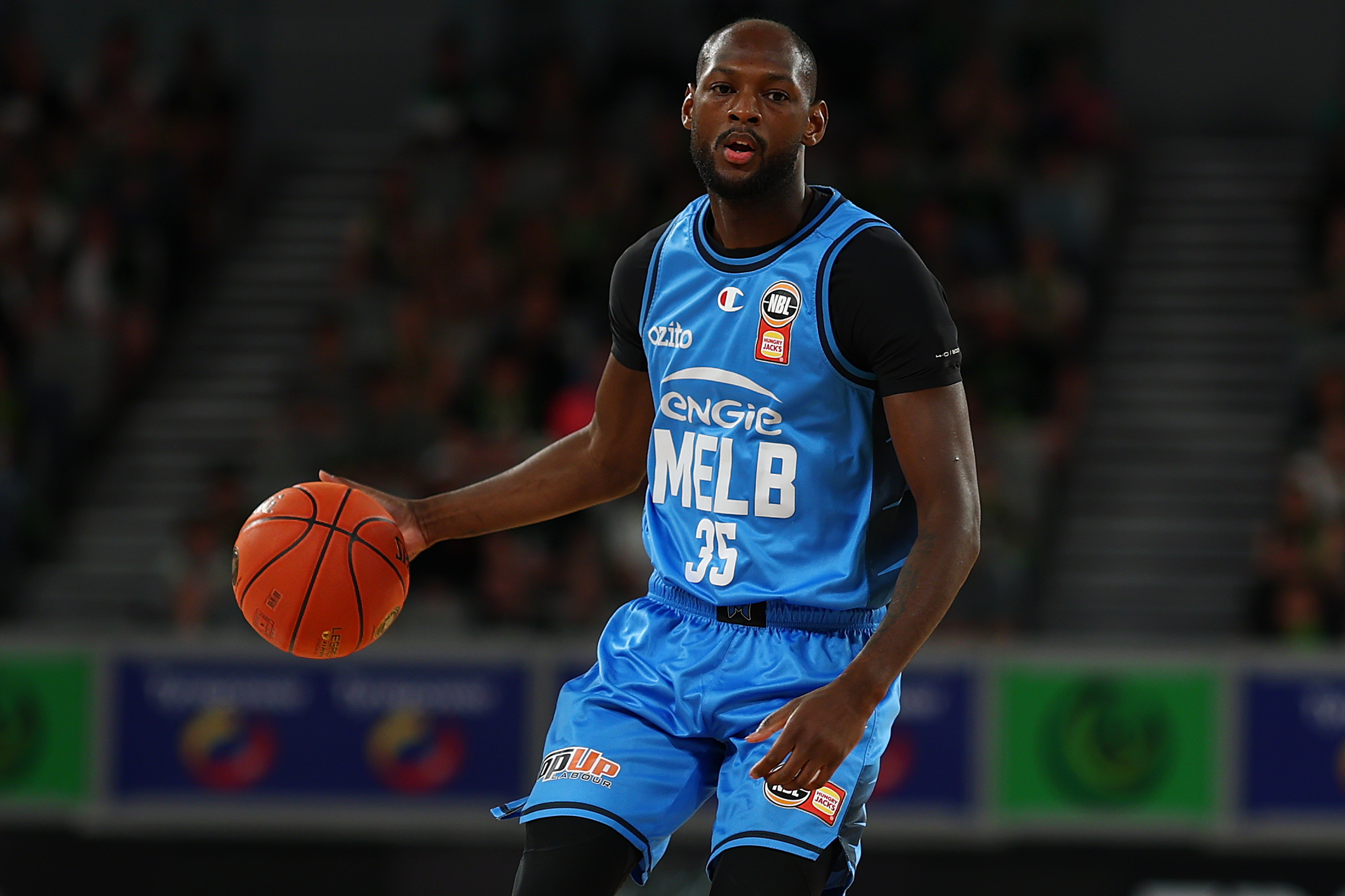
The Sydney Kings captain, 30, served a one-month period of ineligibility from June 4 to July 4, 2026, after an in-competition test detected the metabolite of THC. Fox Sports reported the sample was collected following the Kings' 91-89 Championship Series Game 2 loss to Adelaide on March 27. He missed no games.
Harrell has kept playing. He signed with Atléticos de San Germán in January, averaged 17.1 points and 9.9 rebounds in the Puerto Rican BSN and started the All-Star Game, before the suspension ended his season on the eve of the playoffs.
He has spent the American summer in the BIG3, where on July 19 he scored 42 points for the Chicago Triplets in a 50-31 win over LA Riot, outscoring the entire opposing team and breaking a league single-game record that had stood at 37. He is the first player to score 40 in a BIG3 game. He played in The Basketball Tournament the same weekend, travelling from Lexington to Chicago for double duty.
"No way you can say it's not a vendetta against me lol an still don't get why lol didn't bother no one in Australia," he wrote.
"don't help being big black loud guy with dreads."
The comparison Harrell is drawing is real. The explanation for it is not the one he thinks.
His Australian matter was never about what was in his body.
Jai Shadlow of Fox Sports reported that on January 29, 2025 Harrell failed to complete an out-of-competition test at the 36ers, telling testers he could not urinate any more and leaving despite being warned not to. No prohibited substance was ever found, because no sample was ever finished.
Baloncesto Superior Nacional tournament director Ricardo Carrillo said: “On January 29, 2025, the player was notified that he would be given an out-of-competition doping test. He told them that he had been practising since 9:00 a.m. and that he was dehydrated.
"Even so, Harrell urinated 40 millilitres. Later that day, he urinated an additional 40 millilitres, but the minimum amount required for a doping test is 90 millilitres.
“Harrell said he couldn’t urinate anymore, and the person in charge of the doping control warned him that he couldn’t leave because that would be a violation of the regulations, as it would be considered as if the test hadn’t been completed. That carries a four-year ban, but he indicated that he couldn’t urinate anymore and left."
Harrell's own version of events agrees on the substance and disputes the framing.
"a test that was backdated an I pass, no positive thc no steroids, you guys said I didn't pee enough," he wrote.
That last part is where his argument breaks down, and it is worth being precise about it.
An insufficient sample is not an offence. There is a partial sample procedure written into the testing standard for exactly that situation. What the Code punishes is leaving before the collection is finished.
Article 2.3 of the Australian National Anti-Doping Policy covers "evading Sample collection; or refusing or failing to submit to Sample collection without compelling justification after notification by a duly authorised Person".
Article 10.3.1 prices that at four years, reduced to two "if the Athlete can establish that the commission of the anti-doping rule violation was not intentional".
The sanction was backdated to January 2025, according to Fox Sports, which is why it expires in January 2027. Carrillo said he received notice from the NBL confirming that end date.
Cooks' matter sits under a different article entirely.

Cannabis is classified under Article 4.2.3 as a Substance of Abuse, a prohibited substance "frequently abused in society outside of the context of sport". It is banned in competition only.
Article 10.2.4.1 sets a three-month ban where an athlete establishes the substance was taken out of competition and was unrelated to sport performance, and says that period "may be reduced to one (1) month if the Athlete or Other Person satisfactorily completes a Substance of Abuse treatment program approved by SIA".
One month is the shortest sanction the Code allows.
A second anti-doping violation normally carries a minimum of six months under Article 10.9.1.1. The answer is in Article 10.9.2, which says a violation sanctioned under the Substance of Abuse article "shall not be considered a violation for purposes of Article 10.9". A Substance of Abuse case does not count as a prior offence, so the second one is calculated as though it stands alone.
So the disparity Harrell is pointing at is not a judgement about two men. It is the difference between two articles. A positive test produces evidence. An unfinished test destroys it. If walking away cost less than failing, every athlete with something to hide would walk away, and testing would collapse inside a season.
None of which answers the question of why an Australian ban ended his Puerto Rican season.
Harrell put up 32 points and 14 rebounds including the game-winner against Capitanes de Arecibo, and was suspended days later on the eve of the playoffs.
"I clearly was bout win a chip in @bsnpr an you guy made a two year test reaper," he wrote.
Article 15.1.1.2 is the reason. A decision imposing ineligibility automatically prohibits an athlete from participating, in the Code's words, "in all sports within the authority of any Signatory for the period of Ineligibility".
A ban issued in Australia is a ban in Puerto Rico on the day it is issued.
It is not, however, a ban everywhere. That article reaches sports within the authority of a signatory, and the BIG3 sits outside that network. That is how a player serving a worldwide anti-doping ban has spent the summer breaking scoring records in an American league, and it is the clearest illustration of what the word worldwide actually means in the Code.
Then there is the part that is not about anti-doping at all.
Harrell alleges that when the 36ers terminated his contract before the NBL26 season, they asked him to sign a non-disclosure agreement.
"that's why wen yall release me tried get me sign a NDA [expletive] outta here!"
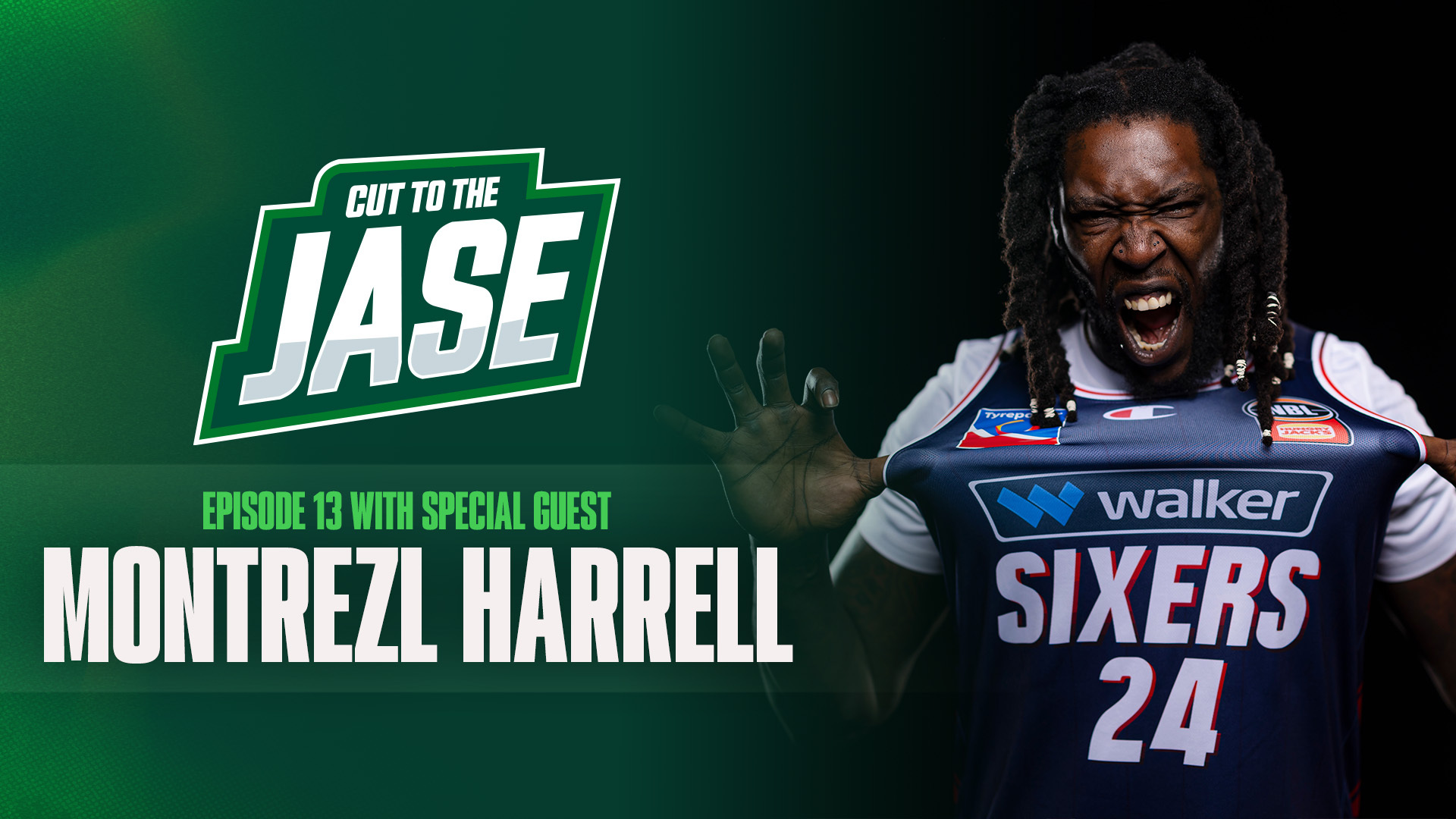
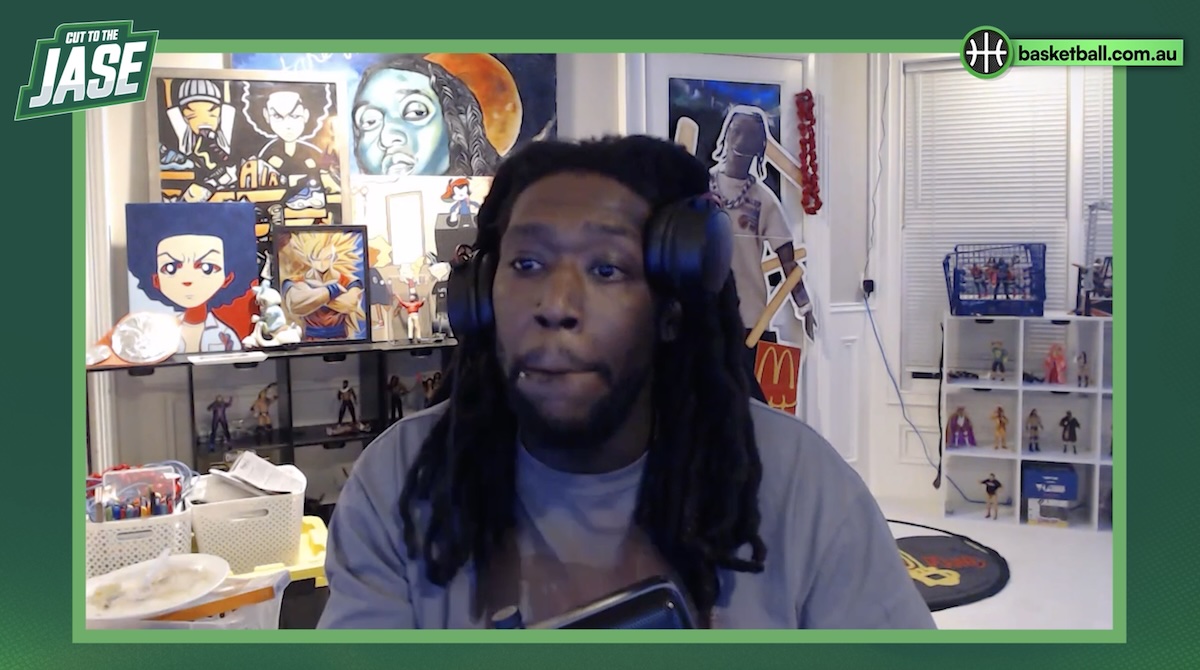
He described the mechanics of that termination in an exclusive interview with Jason Cadee on Cut to the Jase.
"You send my agent a termination letter and give me a time period on that same day telling me I have to sign it, and if I don't sign it, you just going to terminate my contract," Harrell said.
"We didn't come to no agreement on parting ways, bro. They terminated my contract and signed somebody that same day."
The 36ers didn't address Harrell's claims from the podcast at the time.
Harrell was serving a provisional ban over a positive test in the Chinese Basketball Association, that there was "no timeline on when the process will be finalised and no certainty on any sanctions", and that it was "left with no option but to terminate Harrell's contract to allow it to move to finalise the playing roster".
The China test produced a three-month sanction for cannabis, from a test on April 15, 2025 while he was at the Xinjiang Flying Tigers. Three months is the unreduced figure under the same Article 10.2.4.1 that gave Cooks one.
Harrell told Cadee on Cut to the Jase he was never told about it.
"It wasn't something that was actually sent to me," he said.
"No communication went through to my agent or me. We didn't start having to deal with anything as far as backfiring from China until I got over to Australia."
The rules that produced all of this are not the NBL's.
The league has no drug policy of its own. Its integrity page points to Basketball Australia, whose National Integrity Framework applies to "all competitions and events conducted under the auspices of Basketball Australia or a member state/territory association, including the National Basketball League".
Basketball Australia's Anti-Doping Policy is a single-page document that its board adopted Sport Integrity Australia's national policy, effective from 2021. Sport Integrity Australia runs testing and results management. Basketball Australia announces outcomes.
So when Harrell asks the NBL to explain, he is asking the wrong body. And when he asks why the numbers look the way they do, the answer is in a document neither wrote.
That will not make it feel any fairer to him.
The rules behind both bans
Who writes them. Not the NBL, which has no drug policy. Basketball Australia adopted Sport Integrity Australia's national anti-doping policy, the Australian arm of the World Anti-Doping Code. Sport Integrity Australia tests and runs results. Basketball Australia announces. The NBL Tribunal handles on-court conduct only.
Cooks, one month. Cannabis is a Substance of Abuse under Article 4.2.3, banned in competition only. Article 10.2.4.1 sets three months where the use was out of competition and unrelated to performance, cut to one month on completing an approved treatment programme. One month is the floor.
Why it did not escalate. Article 10.9.2. A Substance of Abuse sanction does not count as a prior violation, so a second one is calculated as though it stands alone.
Harrell, two years. Not a positive test. Article 2.3 covers failing to submit to sample collection. Article 10.3.1 prices it at four years, down to two where the athlete establishes it was not intentional.
Why that way round. A positive test makes evidence. An unfinished test destroys it.
Why an Australian ban reached Puerto Rico. Article 15.1.1.2. Ineligibility bars an athlete from every sport under any Code signatory from the day it is issued.
Why he is still playing. The same article reaches signatory sports only. The BSN is one. The BIG3 is not.
What's Next
Harrell becomes eligible in January 2027 and is currently playing in the BIG3. The Kings open their title defence against Cairns on September 20. NBL27 tips off on September 19.