.png)

12
Sep
Buy, Hold, Sell
SuperCoach NBL Trade Strategy: Doubles and Head-to-Head


Image created using AI Technology.
Illawarra owns the first 10 rounds and have one double left in the run home. That decides everything
- The 15 best players average fewer early double rounds than the competition
- Illawarra and Cairns own the early rounds and have one run-home double each
- Perth, Tasmania, Brisbane and South East Melbourne double twice in Rounds 19 to 21
Every SuperCoach NBL coach is running one of three strategies, and most of them have not decided which.
You can borrow the language from the people who argue about this for a living, because the money world has already named all three.
There is the Day Trader, who reads every candle and cannot leave a position alone, and there is the Holder, who buys quality, turns the screen off and refuses to look until March. And then there is the third group, who do most of their buying early, sit on their hands through the noise, and keep something in reserve for the part of the season that actually decides anything – the Hedger.
SuperCoach NBL Classic gives you two trades a round, plus a Trade Boost for a third on up to four times across the season. Before the first lockout you can change whatever you like. After it, every trade is a decision you cannot unmake, and the three mentalities differ mainly in how fast they spend a finite thing.

The Day Trader will chase the double rounds. It is the obvious play and the fixture appears to invite it, because the first ten rounds are badly uneven. Illawarra play twice in seven of them. New Zealand and Cairns manage six each. Adelaide, Perth, Sydney and Tasmania are stuck on four. If you believe the game is won in the opening month, you load up on Hawks and Breakers and you trade your way through the rest.
Here is the problem with that: the best players in the competition do not play at the clubs with the early double rounds.
Take the 15 highest-scoring players in the competition on last season's averages. Their clubs average 4.73 double rounds across the first 10. The competition average is 5.05. The premium end of the market is not merely uncorrelated with early doubles, it is slightly worse than random, and nine of those 15 are at clubs on the absolute minimum of four.
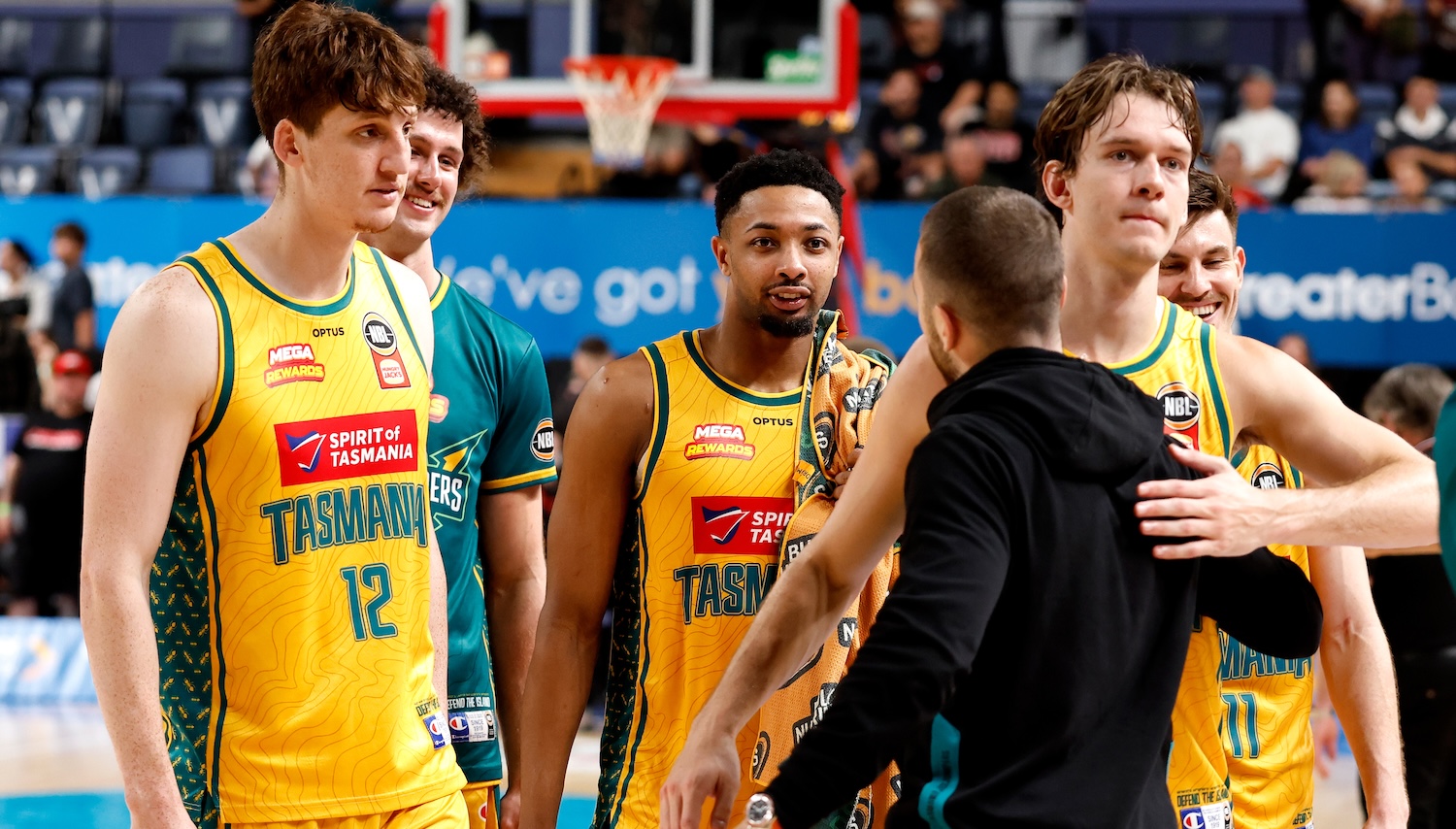
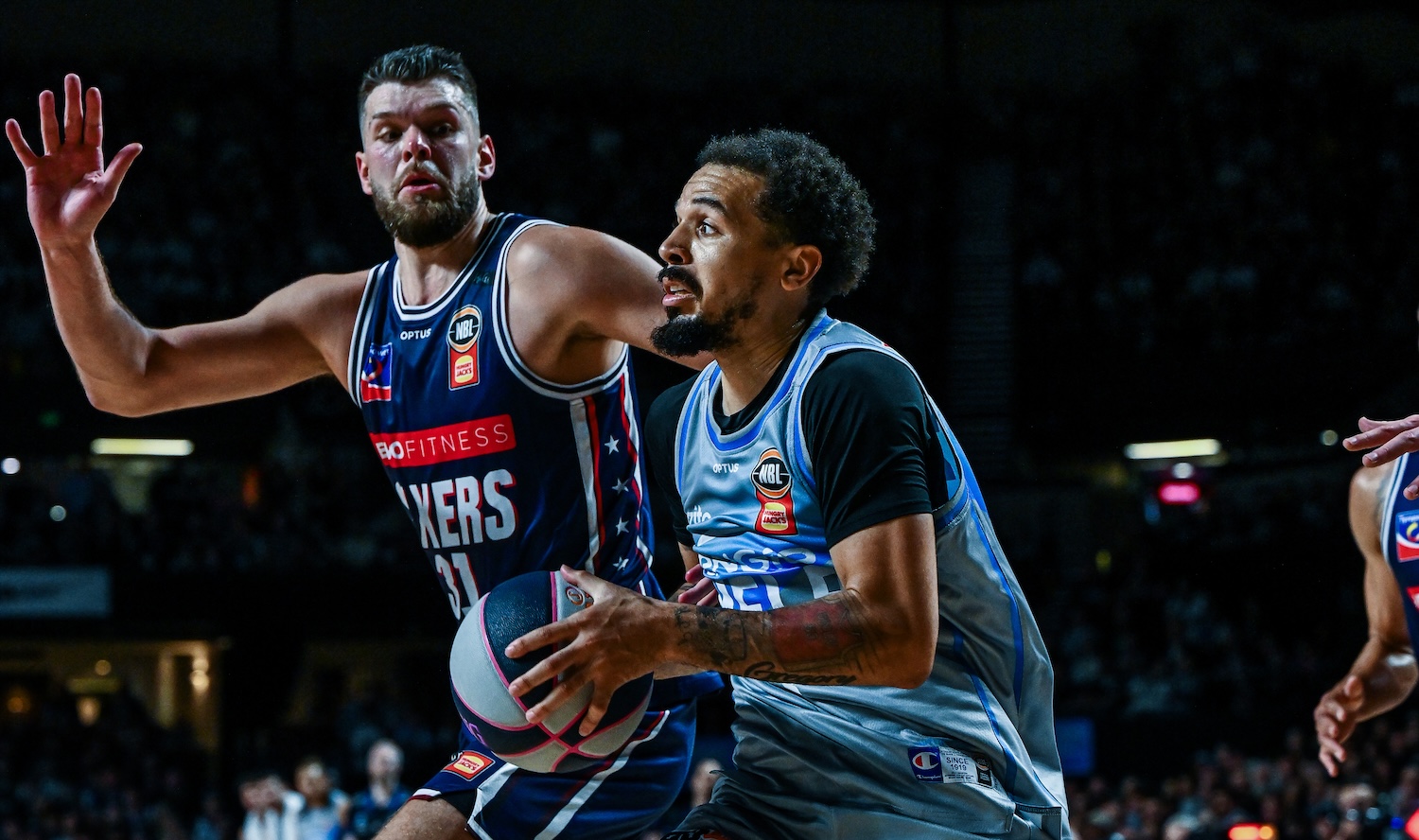
Bryce Cotton ($473,900), Kendric Davis ($436,000), Jo Lual-Acuil Jr ($318,100) and Zylan Cheatham ($339,500) all play for clubs doubling four times before Round 11 and eight times after it. William Hickey ($331,600) is the only genuine premium at a club with seven early doubles, and Parker Jackson-Cartwright ($405,200) at six is the nearest thing to a player who gives you both.
So the Day Trader's plan quietly asks you to buy down in quality in order to buy up in fixture, which is a real trade-off rather than a free lunch, and nobody making it seems willing to say so out loud.
The Holder has the opposite problem. Buying the top of the market and refusing to move is defensible right up until one of them stops playing, and two of that top fifteen are already unavailable: Kendric Davis finally back in Australia, and Bryce Hamilton ($293,100) has done an ACL. A strategy with no trades left is a strategy that cannot answer either of those.
The middle is where the season is actually played, and it has a shape rather than a vibe: spend heavily before the first lockout while changes cost nothing, then take the Cheapies whose clubs are not stacked early, because everybody else is bidding on the same Hawks and the same Breakers and nobody at all is bidding on these.
Makuach Maluach ($134,500) played 31 games at 12.97 for a Sydney side doubling eight times in the back half. Isaac White ($98,100) played all 33 for Adelaide on the same fixture shape. Kyle Bowen ($110,600) played all 33 for Melbourne. None of them will win you a round in October, and all of them are cheap now precisely because their fixtures look boring now, which is the whole point, because their clubs are the ones doubling when it counts.
Which brings us to the part that matters most, and it is the head-to-head play.
In a Head-to-Head (H2H) league you do not need a good total, you need to beat one specific person in one specific week, and then you need to do it again in the weeks that decide your finals. That makes the run home worth more than any stretch of the opening month, and the run home is where the fixture turns over completely.

Across Rounds 19 to 21, Perth, Tasmania, Brisbane and South East Melbourne all play twice in all three of those rounds, while Adelaide, Sydney, Melbourne and New Zealand manage two apiece. Illawarra and Cairns, the two clubs that own the first 10 rounds of the season, have exactly one double round each.
Read that next to the earlier number and the whole season inverts. The clubs handing you the fast start are the clubs handing you the worst finals, and they are the same clubs. Every side plays exactly 12 double rounds, nobody has a bye, and the only thing that differs is when they arrive.
The Day Trader spends his trades chasing a lead in October, and the holder has none left to take one in February.
The coach who wins the league is the one who buys the back-half fixture while it is still cheap and unwanted, then keeps enough trades in reserve to actually use it in the weeks his opponent cannot.
The only choice you need to make is: are you a Day Trader; a Holder; or a Hedger.


The 20 most expensive SuperCoach NBL players, and when their doubles land
| 1 | Bryce Cotton | Adelaide 36ersADL | $473,900 | 4 | 2, 3, 4, 7 |
|---|---|---|---|---|---|
| 2 | Kendric Davis | Sydney KingsSYD | $436,000 | 4 | 5, 6, 7, 9 |
| 3 | Parker Jackson-Cartwright | New Zealand BreakersNZL | $405,200 | 6 | 1, 3, 5, 7, 9, 10 |
| 4 | Nathan Sobey | South East Melbourne PhoenixSEM | $379,600 | 5 | 1, 3, 5, 9, 10 |
| 5 | Jack McVeigh | Cairns TaipansCNS | $349,800 | 6 | 2, 3, 4, 7, 8, 10 |
| 6 | Zylan Cheatham | Adelaide 36ersADL | $339,500 | 4 | 2, 3, 4, 7 |
| 7 | Tyrell Harrison | Brisbane BulletsBRI | $336,100 | 5 | 3, 6, 7, 8, 9 |
| 8 | William Hickey | Illawarra HawksILL | $331,600 | 7 | 2, 3, 4, 6, 8, 9, 10 |
| 9 | Jo Lual-Acuil Jr | Perth WildcatsPER | $318,100 | 4 | 2, 7, 8, 9 |
| 10 | Josh Bannan | Tasmania JackJumpersTAS | $317,500 | 4 | 3, 5, 7, 9 |
| 11 | Kristian Doolittle | Perth WildcatsPER | $317,500 | 4 | 2, 7, 8, 9 |
| 12 | Xavier Cooks | Sydney KingsSYD | $308,000 | 4 | 5, 6, 7, 9 |
| 13 | Taran Armstrong | Tasmania JackJumpersTAS | $304,700 | 4 | 3, 5, 7, 9 |
| 14 | Sam Mennenga | New Zealand BreakersNZL | $303,100 | 6 | 1, 3, 5, 7, 9, 10 |
| 15 | Cole Anthony | Melbourne UnitedMEL | $300,000 | 5 | 3, 4, 6, 7, 9 |
| 16 | Joe Ingles | Melbourne UnitedMEL | $300,000 | 5 | 3, 4, 6, 7, 9 |
| 17 | Keanu Pinder | Cairns TaipansCNS | $300,000 | 6 | 2, 3, 4, 7, 8, 10 |
| 18 | Bryce Hamilton | Tasmania JackJumpersTAS | $293,100 | 4 | 3, 5, 7, 9 |
| 19 | Luke Travers | Melbourne UnitedMEL | $292,900 | 5 | 3, 4, 6, 7, 9 |
| 20 | Torrey Craig | Sydney KingsSYD | $290,400 | 4 | 5, 6, 7, 9 |
What this column does and does not say
A double-game round belongs to the club, not the player. Two players from the same club carry the same number, which is correct rather than a repeated row. The column says how many double-game rounds his club has in Rounds 1 to 10. It does not say he will play both games: that is rotation, load management and fitness, and no fixture can answer it.
Prices are the NBL27 launch prices and the players are the 20 most expensive in the game. Where two players share a price, the order between them is by surname, not by any judgement of value.
Source. Rounds are derived from the confirmed NBL27 fixture, checked against the fixture’s own game count for every round. For the full picture see our club-by-club and round-by-round double-game tables.







.jpg)
.jpg)