
6
Jun
Aussies in the WNBA
Why Australian stars keep getting waived

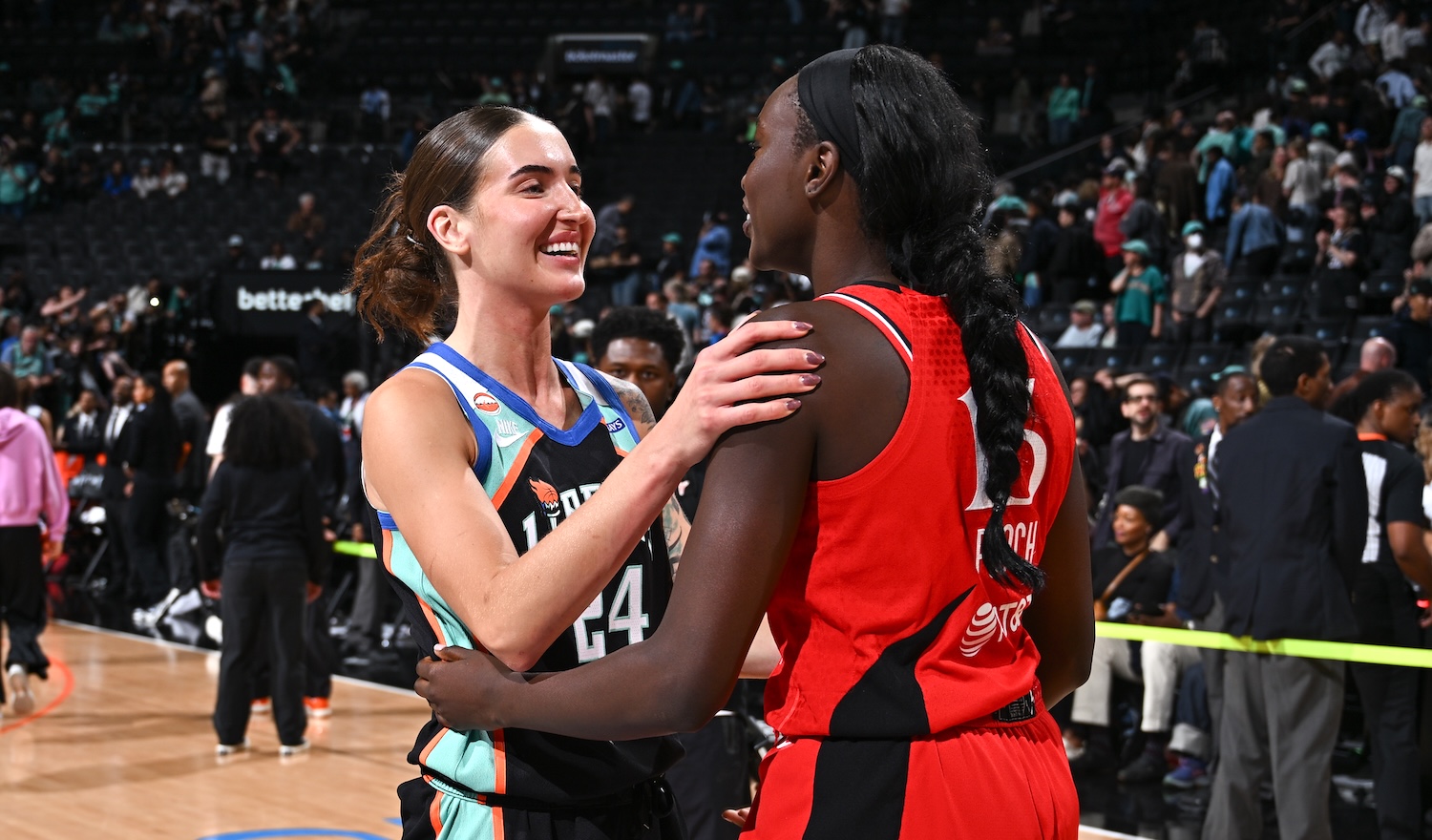
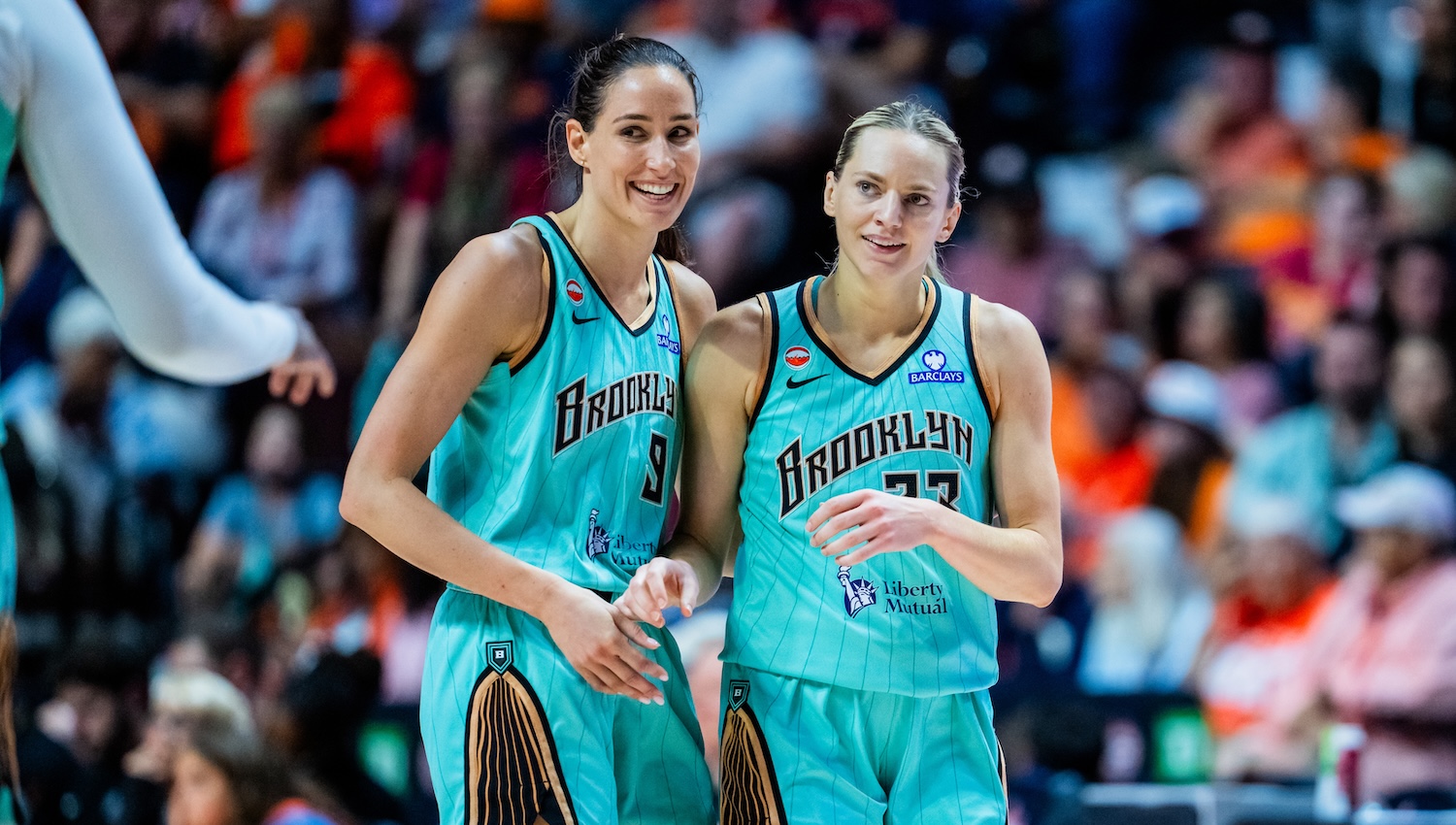
New York Liberty's Anneli Maley and Portland Fire's Nyadiew Puoch share a moment after a WNBA game at Barclays Center as Australians continue battling for roster spots in the world's toughest women's league. Photo: Catalina Fragoso/NBAE via Getty Images.
Highlights
Why Australian players keep getting waived in the WNBA – and why it's usually about roster maths.
- Track Australians in the WNBA through our Player Hub
- Visit our Latest Aussie News hub for WNBA signings and updates
- Check the WNBA Schedule + Results for every game and score
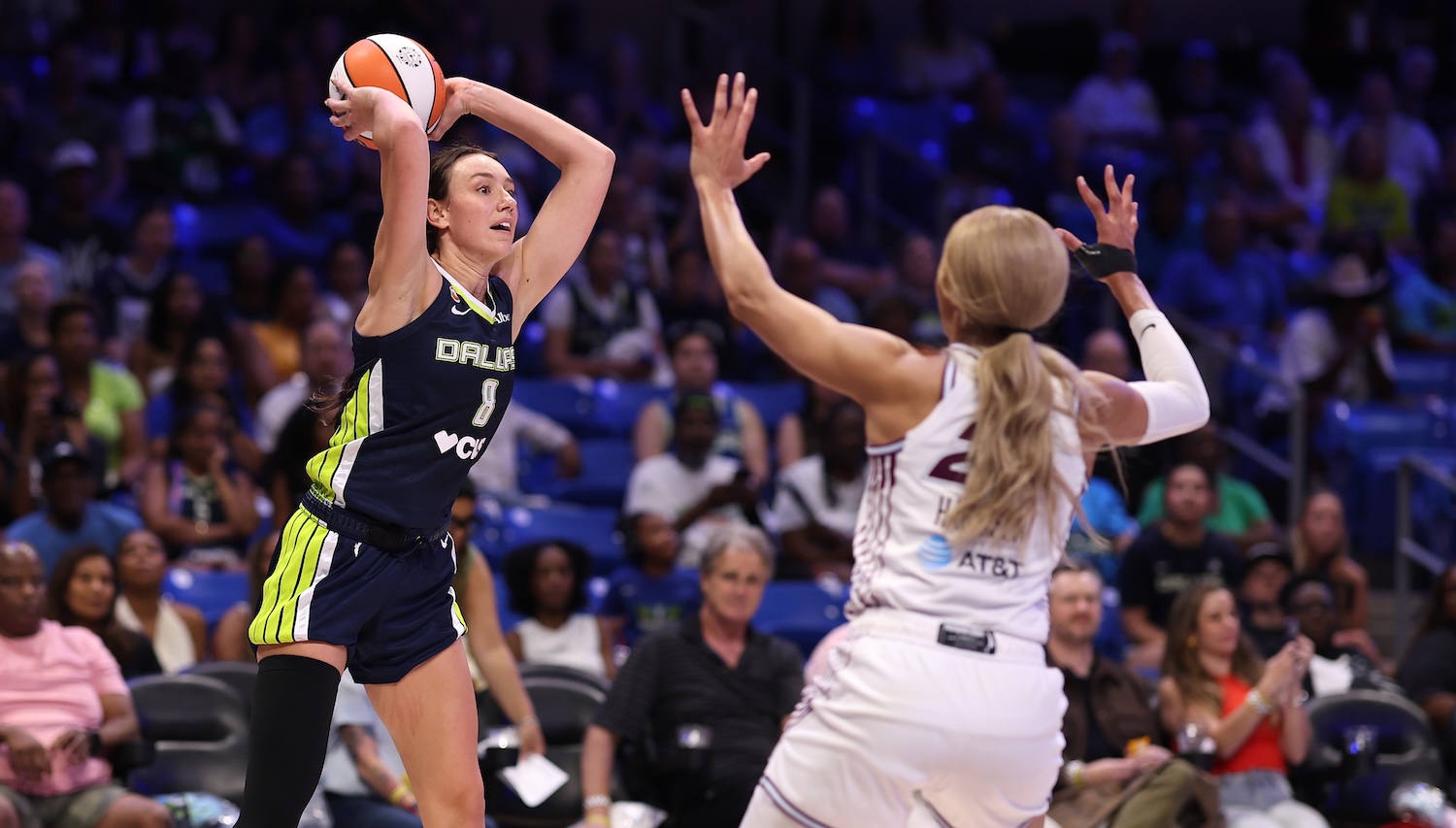
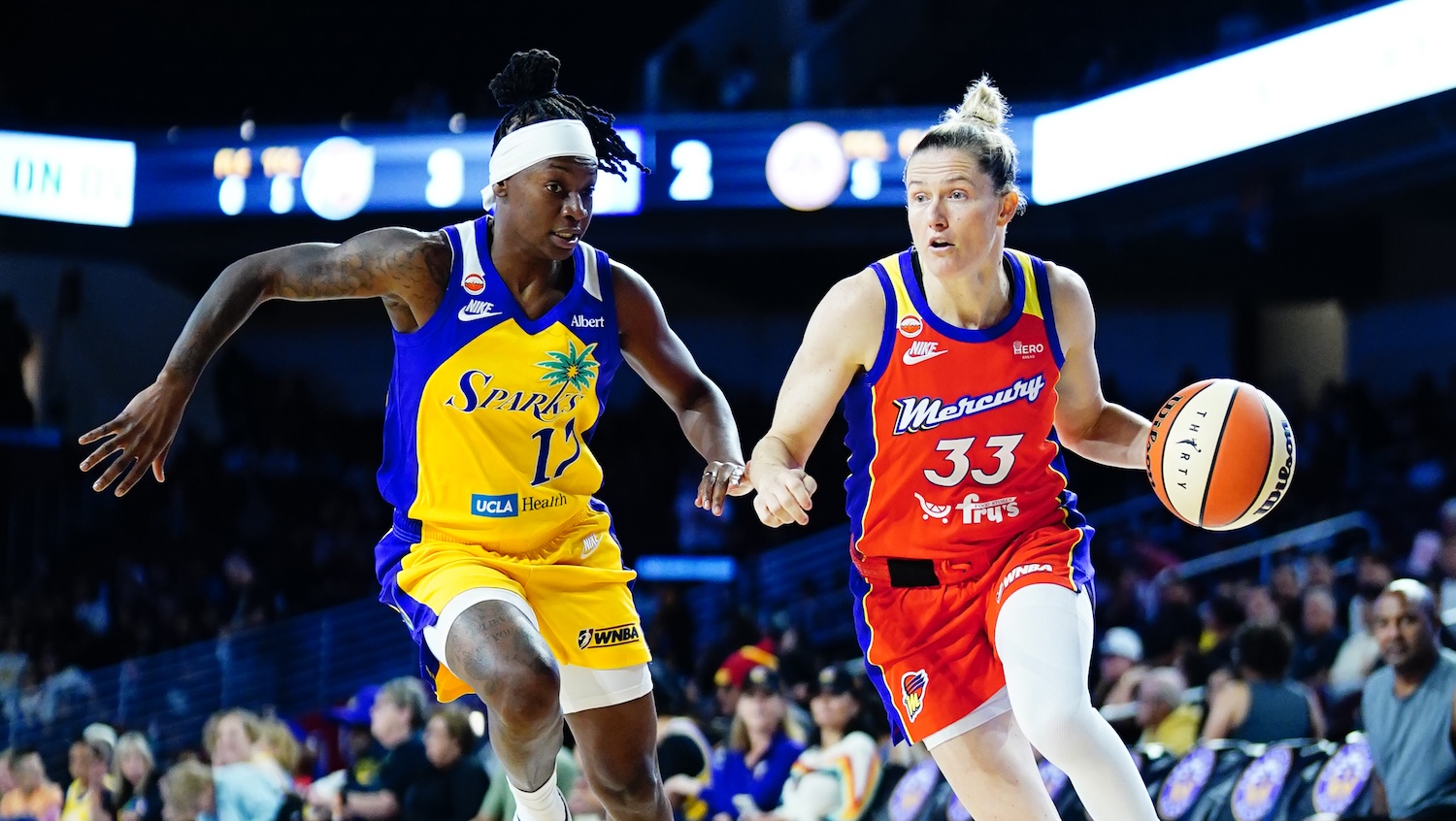
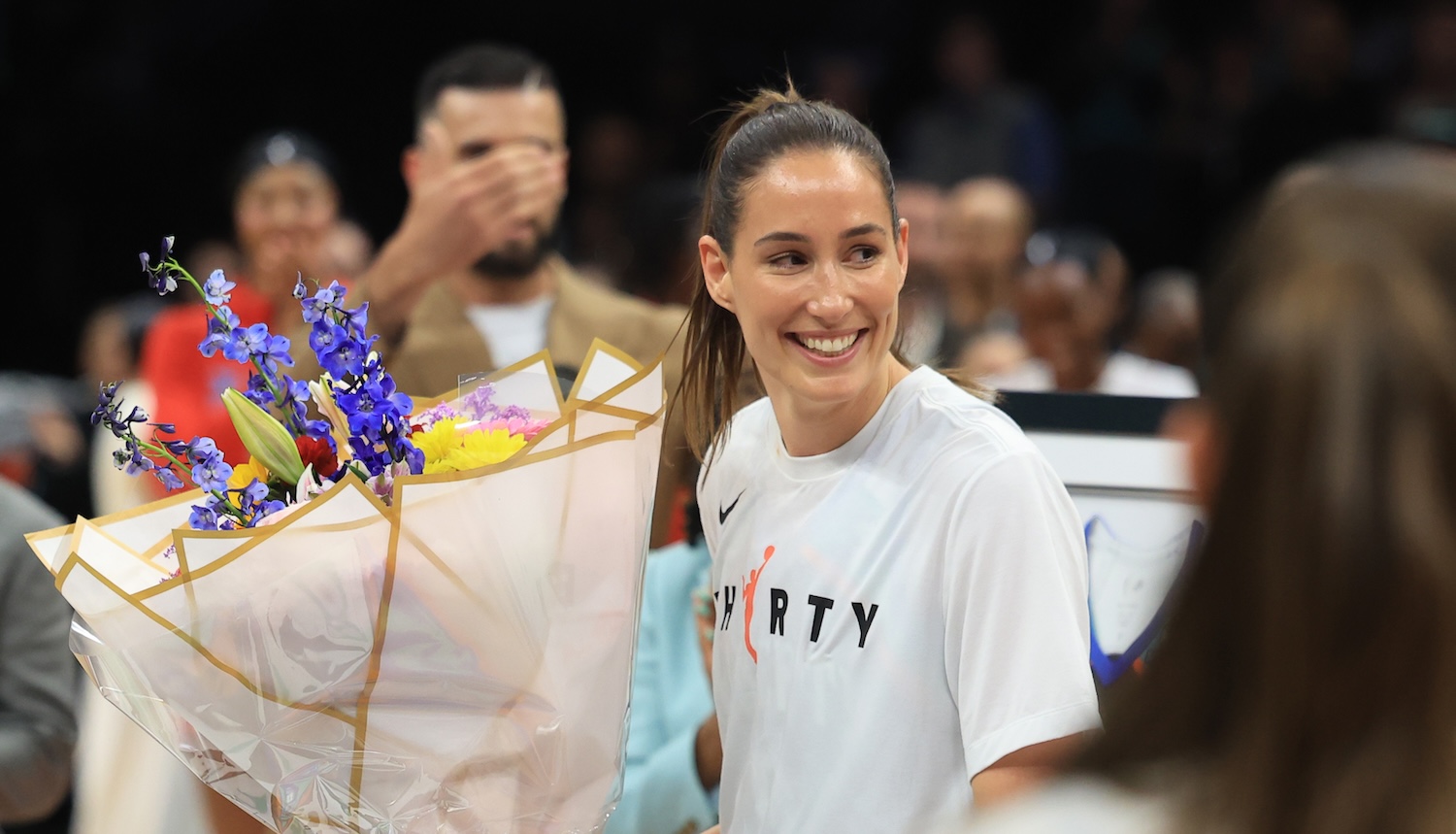
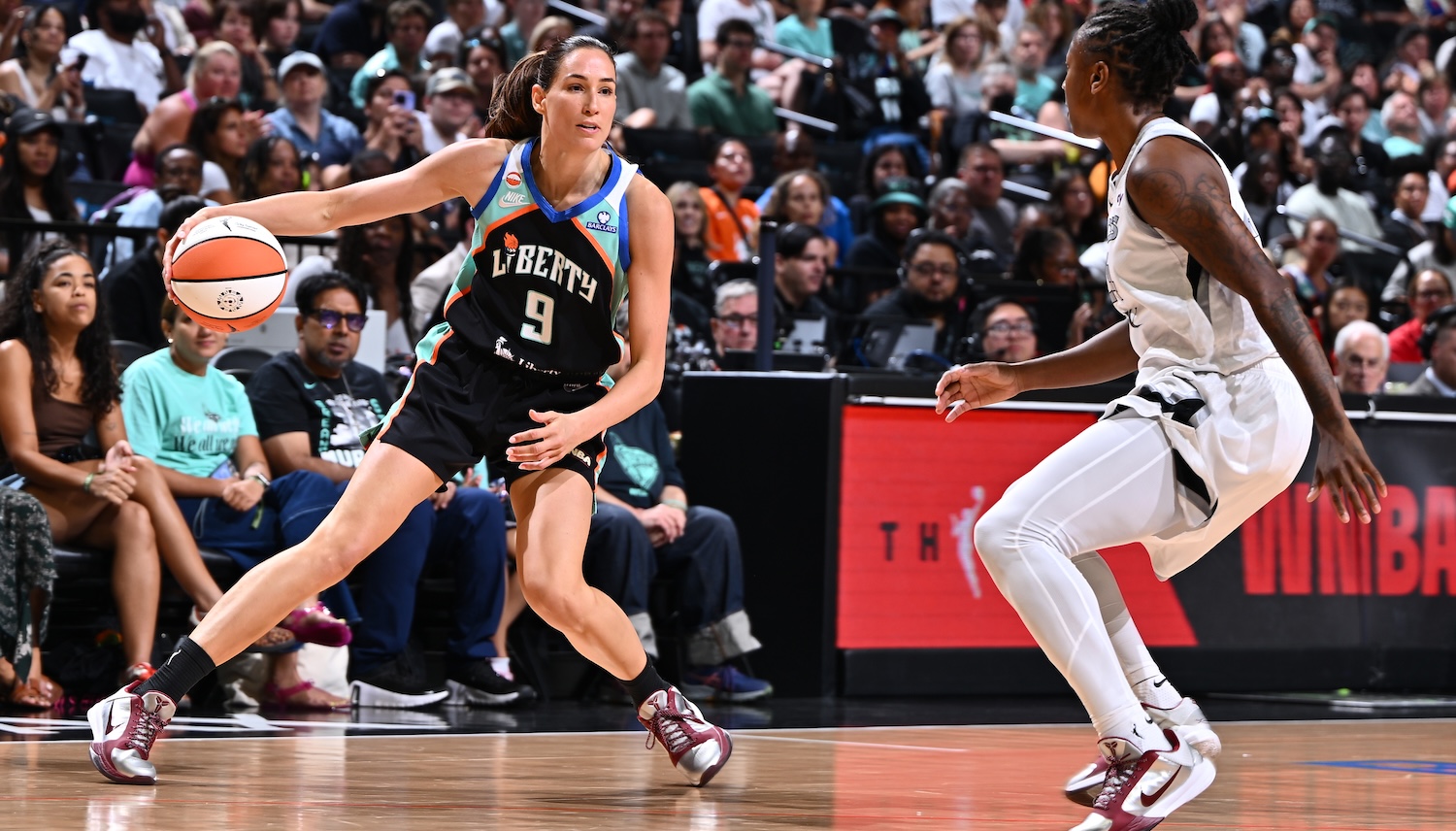
Australian basketball fans have watched Alex Wilson, Alex Fowler, Chloe Bibby, Amelia Hassett, Maddi Rocci, expansion draft pick Kristy Wallace and Anneli Maley, fight for WNBA opportunities in 2026.
To many fans, the constant cycle of signings, waivers and re-signings appears ruthless.
The reality is less about talent and more about arithmetic.
WNBL26 leading rebounder Maley was signed by the New York Liberty, waived by the Liberty, picked up by the Phoenix Mercury, played for the Mercury, was waived by the Mercury and then re-signed by the Liberty as a development player … after Fowler was waived by the Liberty.
For Australian basketball fans, it’s been agonising and frustrating to see their favourite players seemingly achieve their dreams, only to be suddenly cut with a simple “Thank you” on the team’s Instagram page.
- Kirsty Wallace taken by the Toronto Tempo in the expansion draft – waived
- Maddi Rocci signed to a training camp contract by the Toronto Tempo – waived
- Amelia Hassett drafted by the Los Angeles Sparks – waived.
- Alex Fowler signed a training camp contract with the Liberty, signed as a development player but waived to make way for Anneli Maley
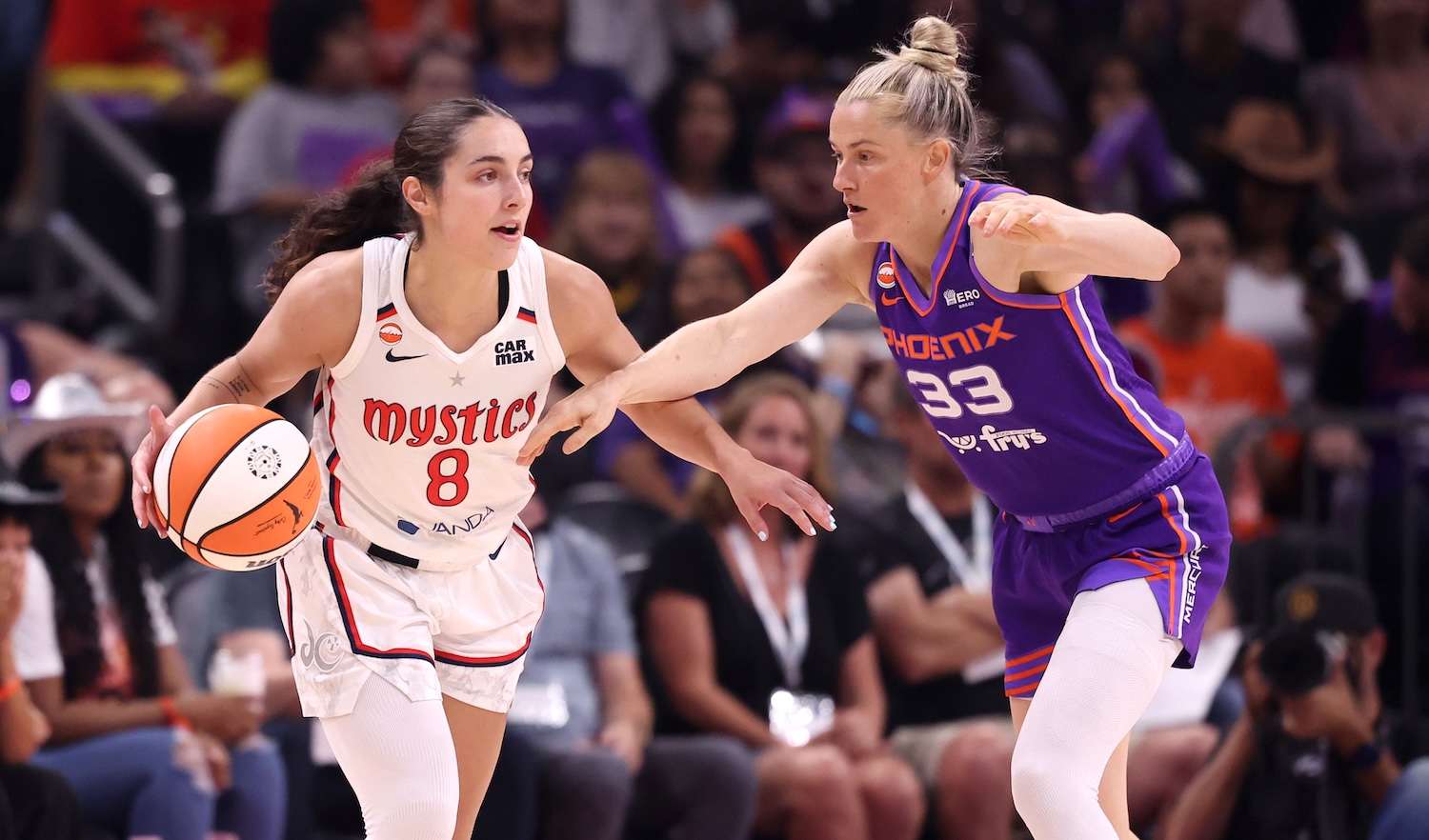
- Alex Wilson signed a training camp contract with the Washington Mystics, earned a roster spot – waived
- Chloe Bibby signed a training camp contract for 2026 but was waived.
But why? Why does the WNBA seem so volatile, while the NBA seems so stable?
The short answer is: the WNBA has far fewer roster spots than the NBA, so teams churn players constantly. So, what looks like random waving is often just mathematics and the team's then-and-now needs.
Roster Size: The Biggest Difference
NBA
- 15 standard roster spots
- Up to 3 two-way players (think Rocco Zikarksy)
- Total player pool per team: roughly 18
With 30 teams, that's about 540 roster spots.
WNBA
- ~180 roster spots
- No true G League
- Harder salary-cap decisions
- International players moving in and out.
- Every roster spot must contribute immediately.
That means there are fewer WNBA jobs available than NBA jobs despite thousands of elite female players worldwide.
A player who would comfortably make an NBA roster equivalent might simply not fit onto a WNBA roster.
Salary Cap Creates Different Decisions
The NBA's salary cap is much larger.
Teams can afford:
- veterans
- prospects
- developmental projects
- injury insurance players
WNBA teams operate with a much tighter salary cap.
Sometimes a player is waived because:
- Another player got healthy.
- A hardship contract expired.
- The team needed cap space.
- The team needed a backup centre instead of a third point guard
It's often a roster-balance decision rather than a talent decision.
The WNBA Doesn't Have a True G League
The NBA has:
- NBA G League
- two-way contracts
- Exhibit 10 contracts
- developmental pathways
An NBA team can keep a player in its system for years.
The WNBA has no equivalent developmental infrastructure.
So when a team likes a player but doesn't have a roster spot, the only option is often to waive them.
Training Camp Is Brutal
A typical WNBA training camp might look like:
- 18–20 players invited
- 11–12 roster spots available
- 7–9 players cut
That's why every May, you see headlines like:
- signed Monday
- waived Wednesday
- re-signed Friday
- waived two weeks later
It's not unusual at all.
For Australians, we've seen this repeatedly with players such as Maley, Fowler, Wilson and others fighting for the final roster spots.
The NBA Invests in Future Potential
NBA front offices often think: "Can this player help us in three years?"
WNBA front offices often think: "Can this player help us next week?"
The luxury of development is much smaller because every roster spot is precious.
A second-round NBA draft pick might get:
- 2–3 years
- G League minutes
- developmental coaching
A second-round WNBA draft pick might get:
- two weeks of camp
- one preseason game
- waived (in the case of Amelia Hassett and Kristy Wallace)
International Players Add More Competition
Many WNBA-calibre players earn excellent money overseas.
A team may choose between:
- an American rookie
- an Australian veteran
- a EuroLeague star
- a Chinese national team player
All for one roster spot. That makes roster battles incredibly competitive.
Why It Feels More Stable In The NBA
The NBA is built around:
- larger rosters
- guaranteed contracts
- development systems
- long-term asset management
The WNBA is built around:
- smaller rosters
- immediate production
- cap efficiency
- limited developmental opportunities
So when you see a WNBA player signed and waived multiple times, it's usually not because the team suddenly changed its opinion. It's because the margin between making and missing a roster is razor-thin.
The NBA has roughly 3.5 times as many jobs despite only having about 2.3 times as many teams.
That's why WNBA transactions often look chaotic compared to those in the NBA. The talent gap between the last player on the roster and the first player waived is usually very small.
What about European women going back to Europe for World Cup Qualifiers or national team commitments?
This is another major difference between the WNBA and the NBA, and it creates roster instability that NBA fans aren't used to.
In the NBA, players almost never leave during the season for national team windows because:
- The NBA schedule generally overrides FIBA windows.
- Most national federations understand that NBA players are unavailable.
- Teams build their rosters expecting players to stay all season.
The WNBA is different because many of its players are also:
- National team stars
- EuroLeague stars
- Overseas professionals for eight or nine months of the year
The European National Team Factor
When FIBA Women's schedules:
- World Cup Qualifiers
- EuroBasket Qualifiers
- Olympic Qualifiers
- EuroBasket tournaments
- World Cups
- Olympics
Many European players leave their WNBA teams.
Examples over the past several years have included players from:
- Belgium
- France
- Spain
- Italy
- Turkey
- Serbia
National federations often expect their best players to report.
Why Teams Sign and Waive So Much
Let's say a WNBA team loses:
- a Belgian centre
- a French guard
- a Spanish forward
for two or three weeks. The team suddenly needs bodies for practices and games.
So it might:
- Sign a replacement player.
- Keep her for 10–14 days.
- Waive her when the international players return.
That player may have done nothing wrong.
She was simply filling a temporary vacancy.
Hardship Contracts
The WNBA also has hardship provisions.
If enough players are unavailable because of:
- injuries
- national team commitments
- illness
The league can approve emergency signings.
That's why you'll often see:
- Signed June 1
- Played three games
- Waived June 12
Those transactions are frequently tied to roster availability rather than performance.
The new CBA fundamentally changes the economics that historically drove many European stars to choose Europe over the WNBA.
For most of the WNBA's history, a top European player could earn:
- US$80,000–250,000 in the WNBA
- US$300,000–1 million+ in Europe
The WNBA was often a secondary source of income.
That is why players such as Emma Meesseman, Alba Torrens and others occasionally prioritised national teams, family situations or European club commitments.
What's Changed?
The new CBA dramatically increases:
- Salaries
- Revenue sharing
- Marketing opportunities
- Long-term earning potential
For many European stars, the WNBA is becoming the primary contract rather than the side contract.
That means teams now expect greater availability.
What Hasn't Changed?
National teams still matter enormously in Europe.
For players from:
- Belgium
- France
- Spain
- Serbia
Representing their country remains a major priority. The difference is that players are now less likely to permanently choose Europe solely for financial reasons.
The Bigger Issue Now Is Prioritisation Rules
The more interesting development is the WNBA's increasing pressure on overseas players to prioritise the league. Historically, a player could:
- Play EuroLeague.
- Finish late.
- Arrive at WNBA camp whenever possible.
The league is moving away from that. Teams increasingly want:
- players in camp on time
- players available for the full season
- fewer mid-season disruptions
That particularly affects international players.
Why This Matters For Australians
Australians have generally been less affected because:
- The WNBL schedule doesn't overlap heavily with the WNBA.
- The Opals and the WNBA have historically worked well together.
- Australian players typically view the WNBA as their primary in-season competition.
The bigger beneficiaries may actually be fringe players. If a European veteran decides:
- not to come over,
- arrives late,
- misses camp,
That opens roster spots for players fighting for the final one or two positions.
The New Reality
Five years ago, it was reasonable to say:
"Many European stars make more money in Europe than in the WNBA."
Today, that's becoming less true every season.
A more accurate statement in 2026 is:
"European stars may still prioritise national team commitments, but financial incentives increasingly favour full WNBA participation."
The roster churn you're seeing now is driven much more by:
- 12-player roster limits,
- salary-cap constraints,
- hardship contracts,
- expansion growing faster than roster sizes,
than by European players simply choosing to go home for better-paying club contracts.
Australians Are Different
Australian players generally don't create the same disruption.
The Opals program works closely with the WNBA, and players typically stay with their WNBA clubs throughout the season unless there's:
- an Olympic year
- a World Cup year
- a major national team tournament
Even then, scheduling is usually coordinated to minimise conflicts.
Why This Matters For Australians Fighting For Spots
This is actually how several Australians have received opportunities.
When:
- Europeans leave for national team duty,
- injuries hit,
- hardship exceptions are approved,
Teams suddenly need players.
That's often when fringe roster players, such as Anneli Maley, Alex Fowler, and others, have historically found opportunities to get a foot in the door.
The harsh reality is that the bottom third of a WNBA roster is incredibly fluid.
A player can be the 145th-best player in the world and still get waived because a national team star returns from a FIBA window, whereas in the NBA, that same player would likely spend the year on a guaranteed contract or in the G League developing.




.png)