10
Jul
Exclusive Interview
Dropping Dimes: Madgen on beating the NIL trap


Ben Madgen acknowledges the Sydney Kings fans after their Round 1 NBL victory against the Wollongong Hawks at Qantas Credit Union Arena on October 11, 2014. Madgen captained the Kings before finishing his professional career with the South East Melbourne Phoenix and is now an investment adviser helping athletes navigate the financial opportunities of the NIL era. Photo: Joosep Martinson/Getty Images.
Ben Madgen says athletes need better financial guidance as NIL transforms Aussie basketball careers
- Every Australian in NCAAM basketball in 2026-27
- Every Australian in NCAAW basketball in 2026-27
- Only three Australians remain in NCAA transfer portal
Former Australian Boomer and Sydney Kings captain Ben Madgen is adamant that young “athletes are not bad with money,” but it’s the system supporting them to make the right decisions that is “failing them”.
Madgen, 41, now an Investment Advisor at Evan's & Partners, has heightened concerns for the next generation of basketball stars now that Australian players as young as 18 are being paid to play college basketball in the United States via Name, Image and Likeness (NIL).
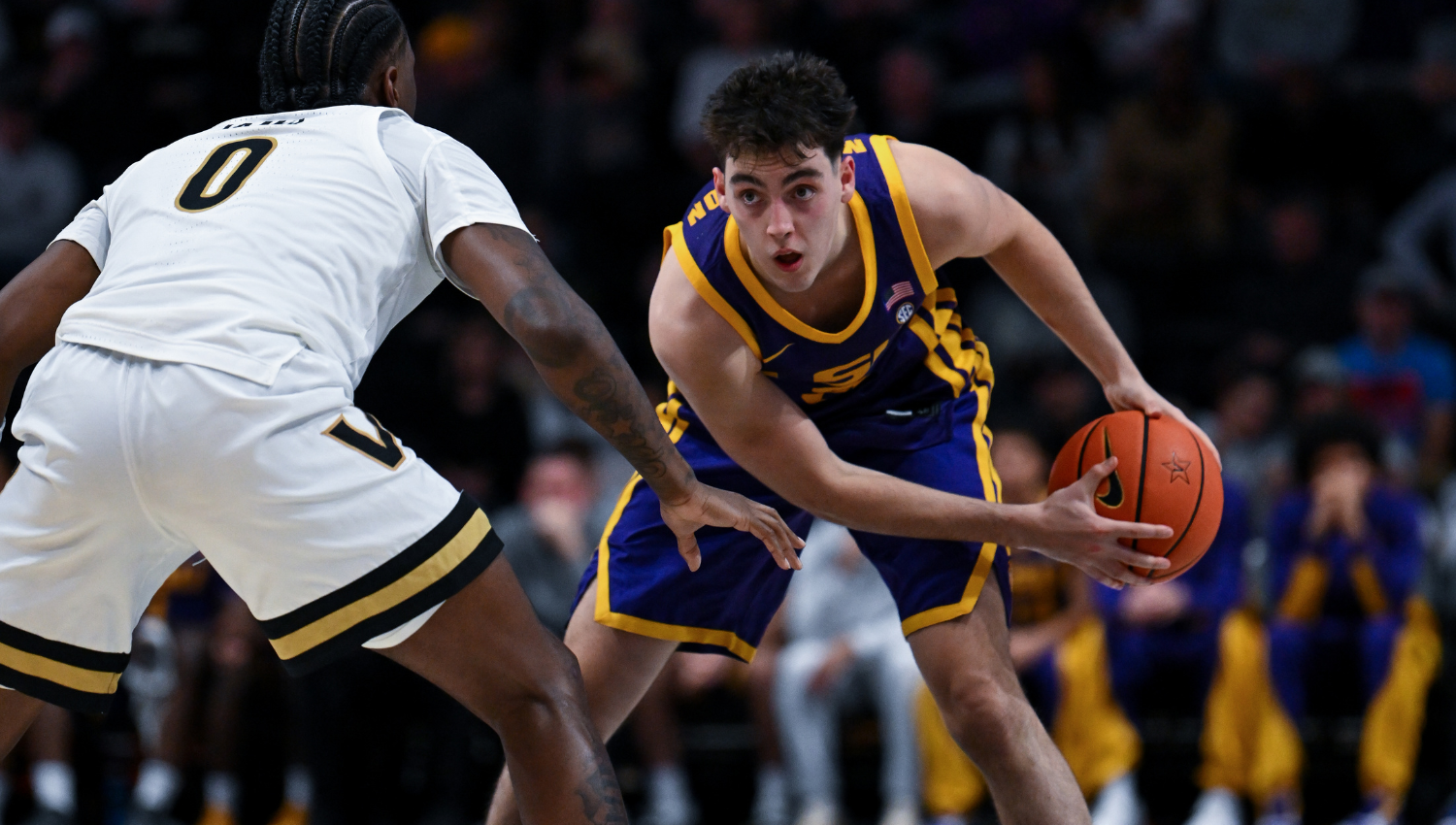
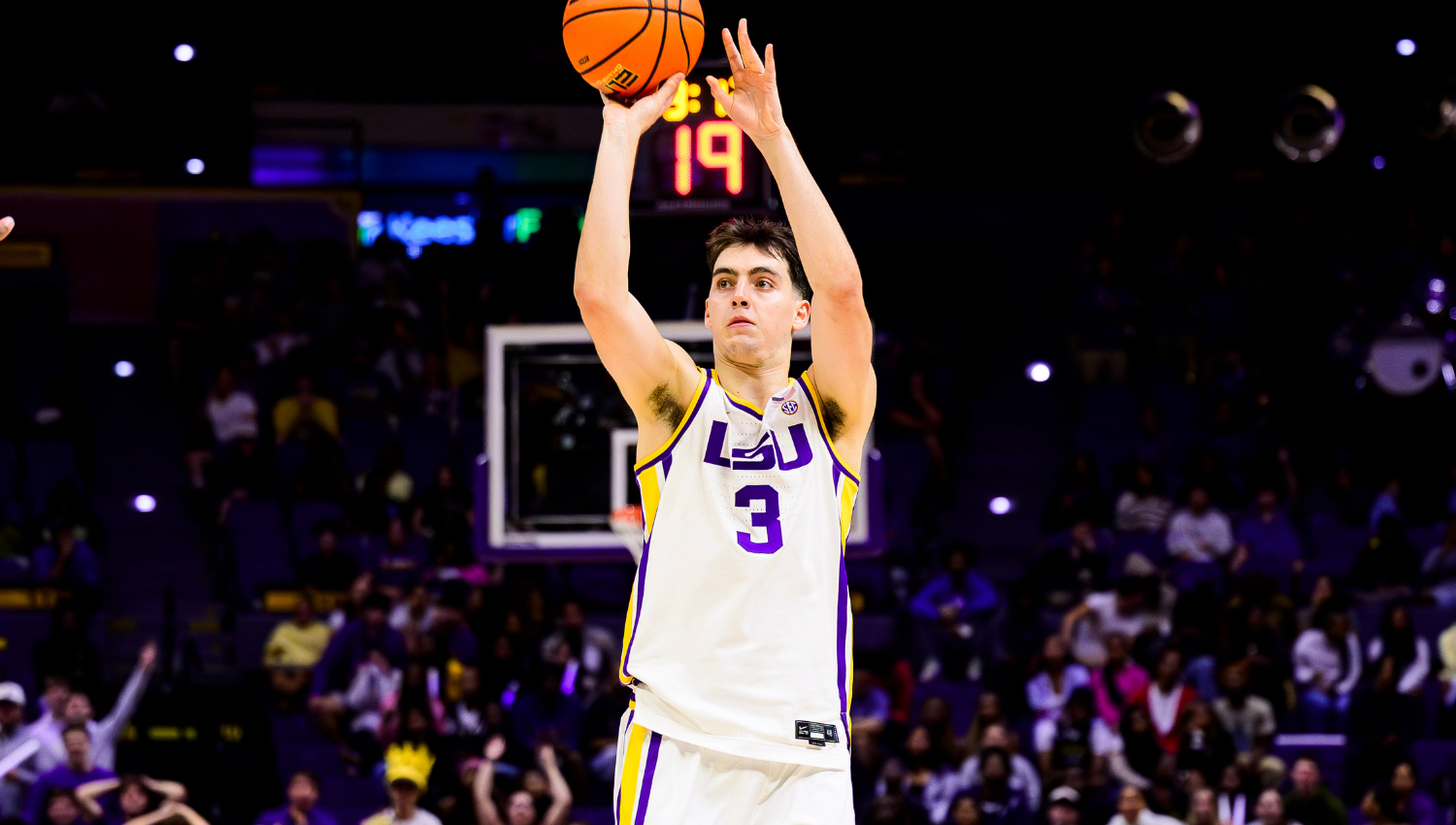
Almost 190 Australians will suit up for American division 1 colleges in the 2026-27 season.
"Nobody sits an 18-year-old down and says, ‘here's what this contract could mean for the next 40 years of your life'," Madgen told basketball.com.au in an exclusive interview.
“We hand out playbooks for pick-and-roll defence but not for an investment strategy.
"I want to be the person who closes that gap."
The NBA is littered with brutal examples of players earning millions only to end up bankrupt, including 1994 All-Star Derrick Coleman, who earned USD $90M during his 15-year career before filing for bankruptcy in 2010.
"I've seen plenty of examples where an athlete was on great money, and it just didn't work for them, not because they blew it, but because nobody showed them how to turn a compressed earning window into something that lasts well beyond it,” Madgen said.
“That's the opportunity I want athletes to capture. The contract is the one part. Making it work for the next 40 years is the part that gets missed."
Power Conference men's basketballers, on average, can be paid $171,2722 while Serbian and FC Barcelona star Nikola Kusturica is reportedly earning USD $12M to go to Australian Opals guard Bonnie Deas’ UCLA.
For an 18- to 20-year-old to earn more than AUD $200,000 a season, potentially leaving college with $800,000 (before tax), not make it to the NBL or WNBL let alone the NBA is not life-changing money post their careers if it's mismanaged.
"NIL has changed the college landscape, and most people haven't caught up to how big it's gotten,” Madgen said.
“You've got college athletes between 18 and 23 earning seven figures a year, and for a lot of them, that NIL deal is the single biggest contract they will ever sign in their life.
“Bigger than whatever comes after college, in plenty of cases. That's not pocket money; that's a life-changing amount of money landing on someone before they've even finished a degree, and there's often no financial structure sitting underneath it at all.
"Think about what we ask an 18 or 19-year-old to manage.
“They're adjusting to being away from home, training and studying full time, and on top of all that some of them are handling more money than their parents have ever earned in a year.
“Nobody's built the support system around that yet.
“That's exactly the gap I want to help close, and given how many Australians are coming through the NCAA system right now, it's only going to matter more from here."
Madgen didn’t disclose how much he earned from playing professional basketball, launching his career as an All-American at Augusta State University in 2006. He played for the Kings between 2010 and 2015, then for multiple teams in Europe, including powerhouse club BC Rytas (Lithuania) in the European Cup.

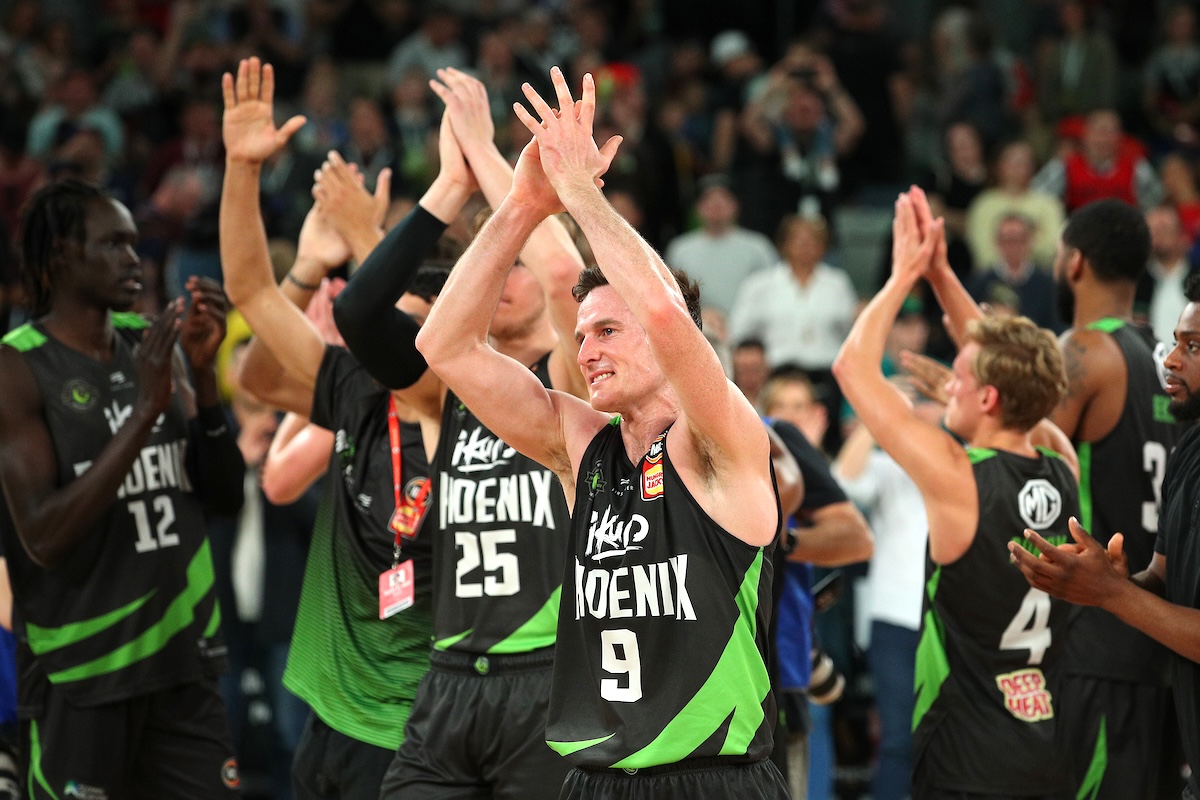
He played his final professional season with the South East Melbourne Phoenix in NBL20.
"During my career, I wanted to take control of my own wealth, but my bandwidth was limited as I was growing my family, moving every eight months in Europe,” Madgen added.
“There wasn't an adviser on hand at the club, and no one sat me down to explain how to set myself up.
“So I took the safe bet and paid down my mortgage, which wasn’t a bad use of my money, but I certainly didn’t capitalise on some of the trajectory-changing opportunities available through a rigorous investment strategy.
“This is why I’m so passionate about ensuring we set athletes up to have the right financial support, enabling their money to work for them.”
After his professional career, Madgen served as CEO of the City of Sydney Basketball Club and launched the Sydney Comets NBL1 program while studying for his MBA at UNSW’s AGSM.
"One of the main drivers to getting into wealth management was wanting to help athletes,” he said.
“I'd lived through not knowing where to turn to myself, and I wanted to be the person other athletes could turn to."

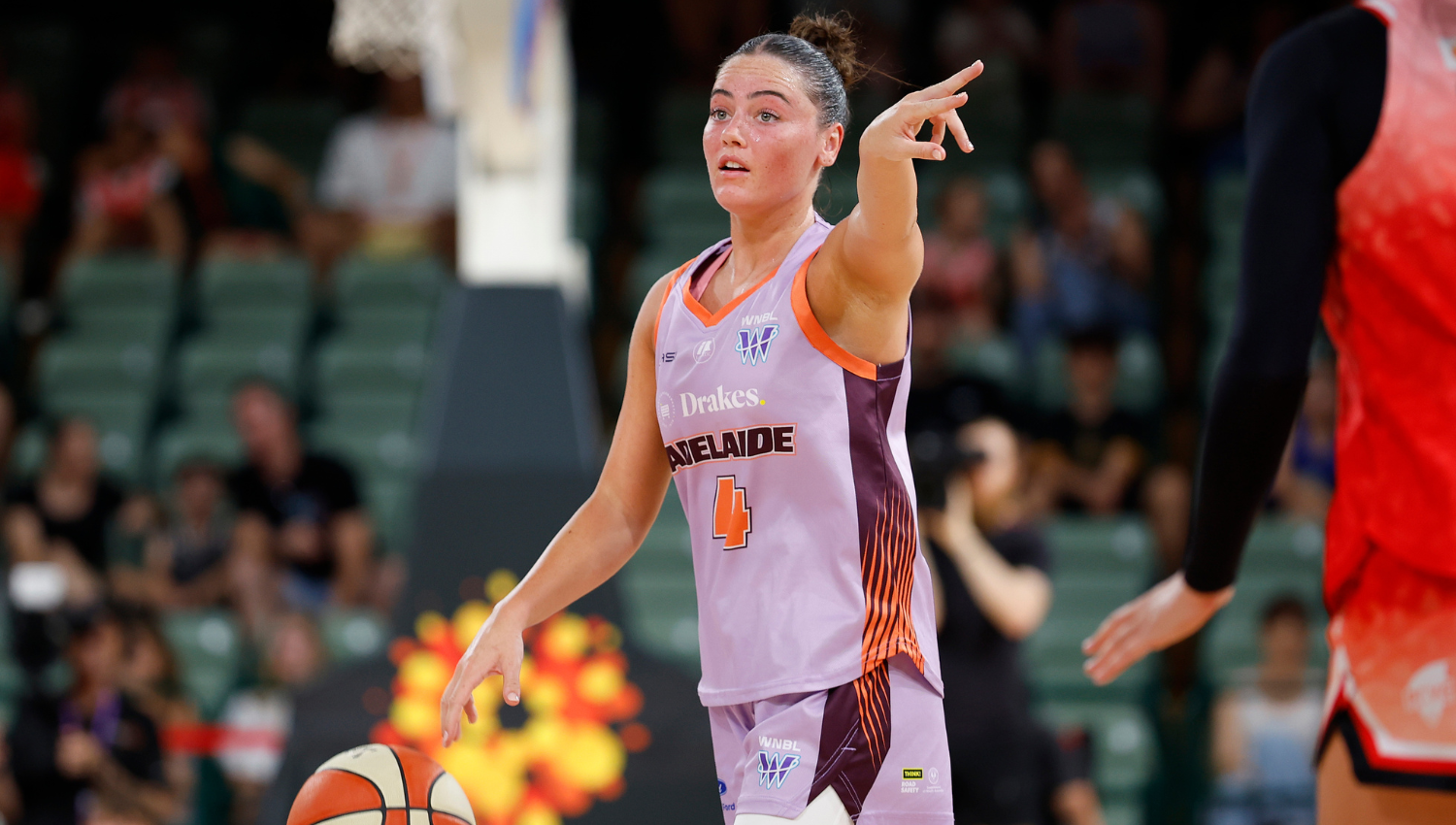
The sporting connections run deep for Madgen and his family. His sister Tess, 35, captained the Opals to the bronze medal at the 2024 Olympic Games in Paris and is now the general manager of the WNBL’s Adelaide Lightning, while his brother Jack, 33, played 49 games for Collingwood in the AFL between 2018 and 2022. His late uncle Matt Rendell captained the Fitzroy Lions in the VFL / AFL between 1985 and 1987 and was twice an All-Australian footballer.
Those connections have spilled over into his post-playing career. Ben’s boss Peter Jorgensen, 53, is the Managing Director and Head of Private Wealth Sydney. He played at the top level in two football codes: he was capped by the Wallabies and played in the NRL. He's also the father of 21-year-old Wallabies winger Max Jorgensen.
E&P was founded by David Evans, a former Essendon Football Club president. He is the son of Ron Evans, 67, himself an Essendon president before becoming AFL Chairman.
"It's not a coincidence that a firm with this much sport in its DNA is where I've ended up,” Madgen admitted.
“Peter's walked the path I'm trying to help other athletes walk, from playing at the top level to building a career after it.
“And right at the top of the business, David's family has been part of the AFL's fabric for decades. Sport isn't a side interest here; it's baked into how the place thinks."
Why it’s important for basketballers
Madgen has three key focuses:
1. Professional and transitioning athletes: his core focus and the reason he got into this industry
2. Sports executives, founders and business owners: the people running the clubs, leagues and businesses around sport
3. Not-for-profits and university sport organisations:managing reserves and endowments for the institutions that hold sport together
What’s Next
A Wealth Foundations Athlete Evening on August 6, 2026, featuring E&P's Head of Investment Strategy Max Casey. It’s a private gathering for professional athletes across all codes focused on financial education and wealth management.
"The idea behind the evening is simple,” Madgen revealed.
“Most athletes never get sufficient financial guidance during their career, and I want to change that.
“The goal is to increase financial education for athletes and make sure they know they've got someone to call if they ever have a financial question, with no obligation."
If you would like to get in touch with Ben, he can be reached at ben.madgen@eandp.com.au
Five tips every 18-year-old Australian college basketballer should know before signing their first NIL deal
1. Read every clause – not just the dollar figure
The headline payment is only part of the agreement. Check how long the deal runs, what content you're required to produce, whether the brand can use your image after the contract ends, and if there are exclusivity clauses that stop you working with competitors. A bigger payday isn't always the better deal.
2. Protect your personal brand
At 18, your biggest asset isn't your current following – it's your future reputation. Partner with brands that align with your values because screenshots last forever. Ask yourself: Will I still be proud of this partnership in five years?
3. Understand the tax implications
NIL income isn't "free money". Whether you're studying in the United States or earning income connected to Australia, there may be tax obligations in one or both countries. Before spending your first payment, speak to an accountant who understands Australian athletes competing in the NCAA.
4. Don't sign without independent advice
Have a lawyer, qualified sports agent or trusted adviser review every contract before you put pen to paper. Spending a few hundred dollars on legal advice can save you thousands – and a lot of stress – later.
5. Think long-term, not just your next pay cheque
The best NIL deals build your profile as well as your bank balance. Look for opportunities that help grow your audience, develop professional relationships and open doors after basketball. Your first deal should be the foundation of your personal brand, not the finish line.
Bottom line: Your first NIL agreement is more than a sponsorship – it's the start of your business career. Take your time, ask questions and remember that the best contract is one that protects both your present and your future.
About the Author
Peter Brown is the head coach of the Sydney Comets Women’s Youth League team in the Waratah Basketball League in NSW. He is also the assistant coach for the Comets NBL1 women’s team in the NBL East Conference. Peter is a 30-year journalist, starting as a sports reporter at the NT News in the early 1990s. He played junior basketball for the Northern Territory at national championships from U16 to U20 and for the Territory’s senior men’s team at numerous international tournaments. Peter has been a basketball fan since the early 80s, especially the NBA. Basketball is his passion — and his opinions his own. Email peter.brown@basketball.com.au with feedback.