
18
Sep
Laws explained
Cotton backs calls for THC drug ban to go up in smoke

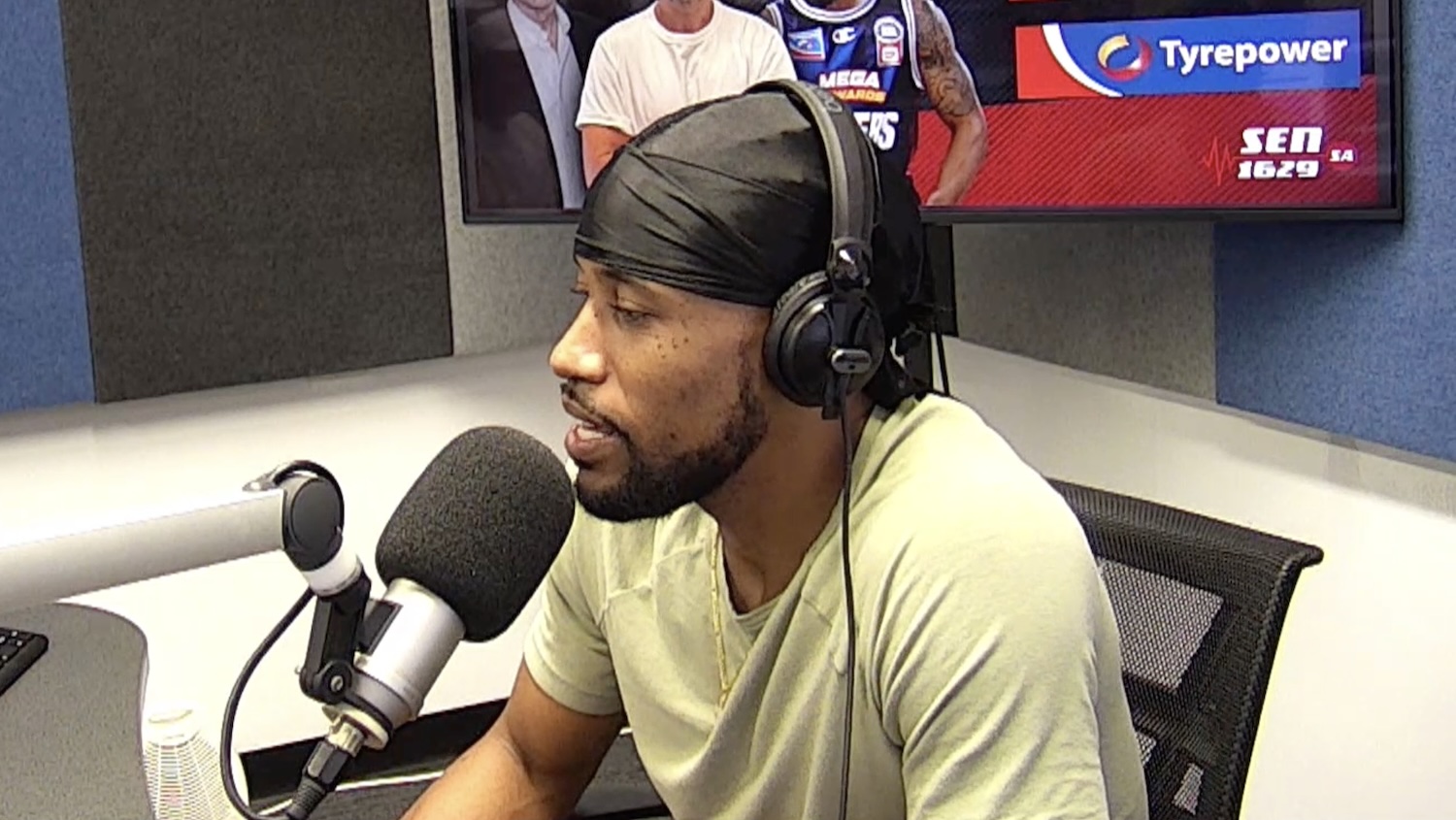
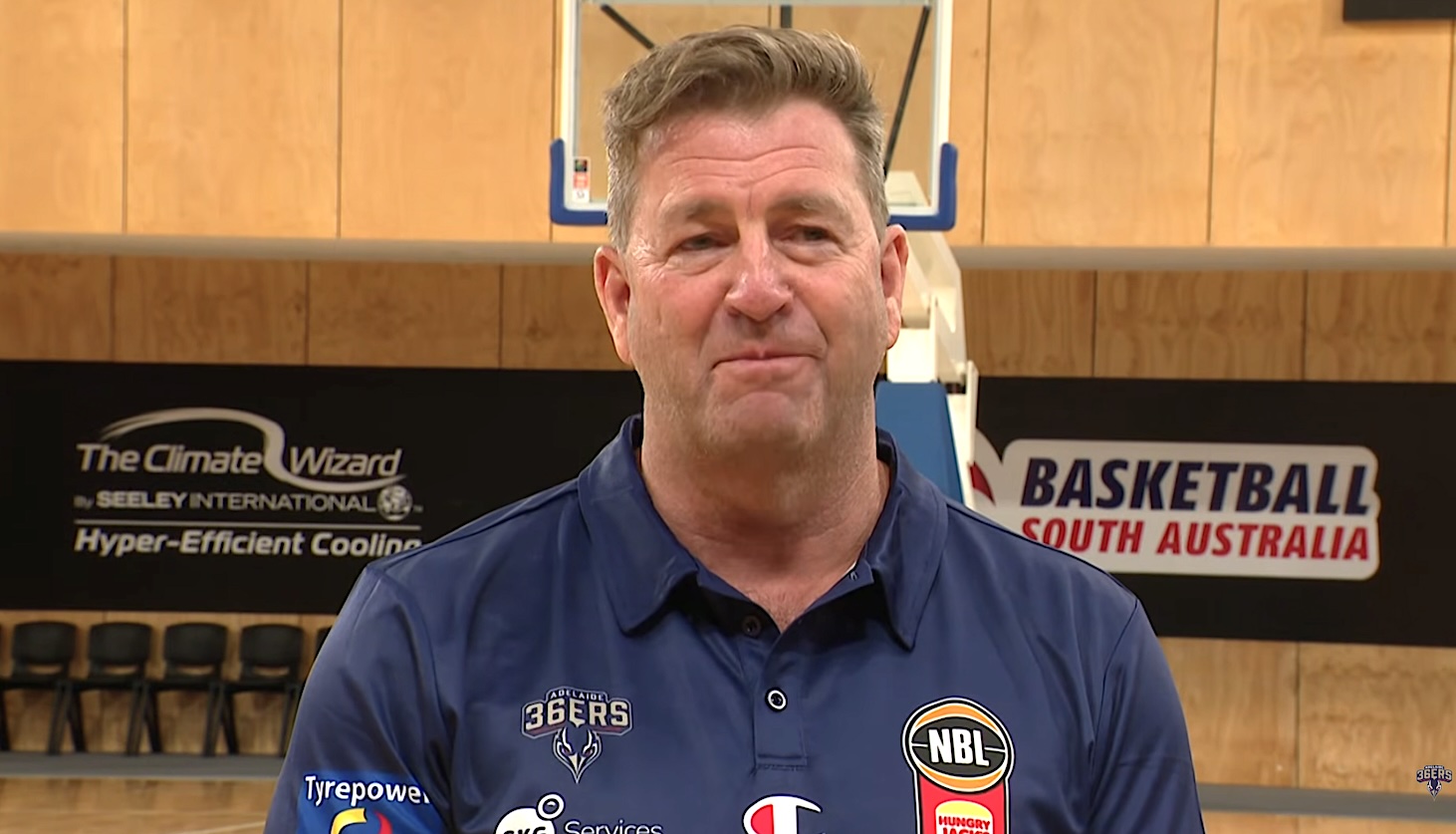
Australian Boomers point guard and six-time NBL MVP during his interview with SEN Radio this week. Photo: SEN.
Featured
The six-time MVP says it is not performance enhancing, and 73 per cent of players surveyed agree.
- All 165 games of the NBL27 season in one list
- Every NBL27 roster, squad list and projected depth chart
- Every injured NBL player, with expected return dates
Six-time MVP Bryce Cotton has joined a chorus of NBL players who want marijuana (THC) removed from the banned drug list that governs the league.
Code Sports Basketball reported that in “an anonymous survey, 73 percent of the NBL players surveyed said they want to revise the existing drug policy under the governing body, Basketball Australia, which follows Sport Integrity Australia’s National Anti-Doping Policy.”
“It’d be great to kind of throw it out because it’s not like it’s a performance-enhancing drug,” the Adelaide 36ers superstar told SEN radio yesterday.
“So, you know, simply put, like, yeah. I’m not against that at all.”
THC metabolite (psychoactive compound found in cannabis) is only tested for on a game day, with a positive test leading to a maximum of a four-year suspension.
Code Sports reported: “A ban can be reduced to one or three months depending on factors such as whether the substance was taken on a non-competition day or whether an approved treatment plan was completed.”
Sydney Kings championship captain Xavier Cooks was suspended for the second time in less than two years after testing positive for THC, just months after leading the NBL franchise to the 2025-26 title.
The Kings released a statement saying, "In accordance with the Australian National Anti-doping Policy 2021, Xavier Cooks was issued with one month of ineligibility by Basketball Australia, which concluded on 4 July 2026," the statement read.
"This was issued as a result of an in-competition doping control test, and the metabolite of Tetrahydrocannabinol (THC) was detected."
Cooks served the ban from June 4 to July 4. Fox Sports reported the sample was collected following the Kings' 91-89 Championship Series Game 2 loss to the Adelaide 36ers on March 27.
Players said in the anonymous poll:
- “A lot of players who come here, imports, it’s (cannabis) legal in their countries.”
- “I don’t think THC should be a banned substance.”
- ”A few of the illicit drugs don’t performance enhance, so probably some changes there.”
What Australian marijuana laws say
Medicinal cannabis was legalised federally in Australia in 2016.
Parliament passed the Narcotic Drugs Amendment Act 2016 on 24 February 2016, establishing a national licensing system for cultivating and producing cannabis for medicinal or scientific purposes. The scheme became operational later that year, with medicinal cannabis products scheduled as controlled prescription medicines from 1 November 2016. Australian Institute of Health and Welfare
Recreational cannabis was not legalised nationally.
As at September 2026, medicinal cannabis is legal by prescription throughout Australia, but recreational cannabis remains illegal in every jurisdiction except for limited personal possession and cultivation permitted under ACT law.
Australian federal law
- Medicinal cannabis: legal nationwide when lawfully prescribed.
- Recreational cannabis: illegal nationally and in most jurisdictions.
- ACT: limited personal possession and home cultivation are permitted.
- SA and NT: small personal-use offences are generally handled through fines rather than criminal prosecution.
- NSW, Victoria, Queensland, WA and Tasmania: possession remains criminal, although caution or diversion schemes may apply.
- A prescription also does not automatically override workplace, road-driving or sporting drug rules. Those are separate regulatory systems.
The Narcotic Drugs Amendment Act 2016 created the national licensing framework for cultivating and producing cannabis for medicinal and scientific purposes.
Patients may legally possess and use medicinal cannabis when:
- an authorised medical practitioner has prescribed it;
- it is supplied through a lawful pharmacy or approved access pathway; and
- they comply with applicable Commonwealth and state or territory rules.
Most medicinal cannabis products are not included on the Australian Register of Therapeutic Goods, so doctors generally access them through the TGA’s Special Access Scheme or Authorised Prescriber pathway.
The 2016 reforms did not legalise recreational cannabis nationally. Selling or distributing recreational cannabis remains illegal throughout Australia.