
2
Sep
Team Profile
Los Angeles Clippers: Five things you need to know

Image generated by AI technology
Highlights
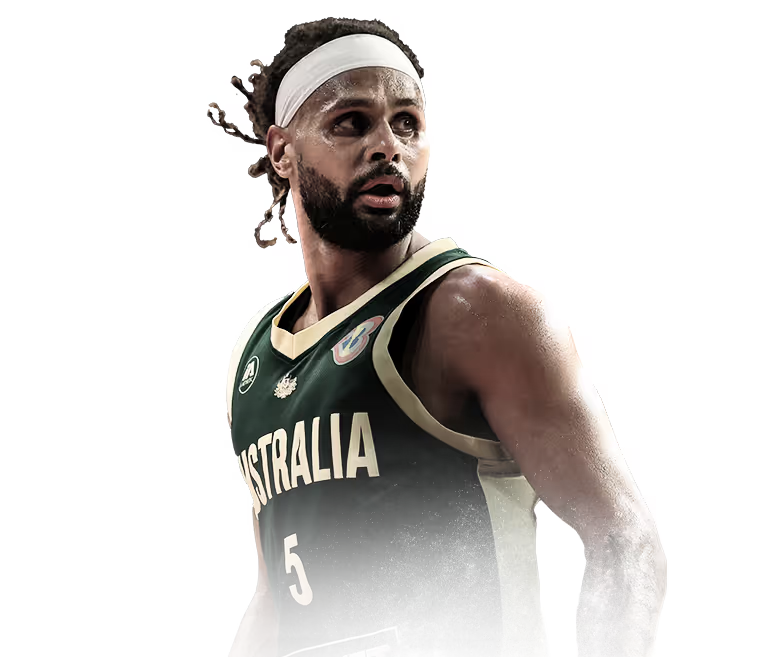
Patty Mills is the first Australian to suit up for the Clippers, a franchise still chasing a title.
- Ben Simmons played his last NBA season with the Clippers in 2024-25.
- Donald Sterling was banned for life in 2014 before selling to Steve Ballmer.
- The Clippers have never won an NBA championship in 55 seasons.
Two Australians pulled on a Clippers jersey in the space of 10 days in February 2025, and one of them was a former number one overall pick playing out the final act of a turbulent NBA career.
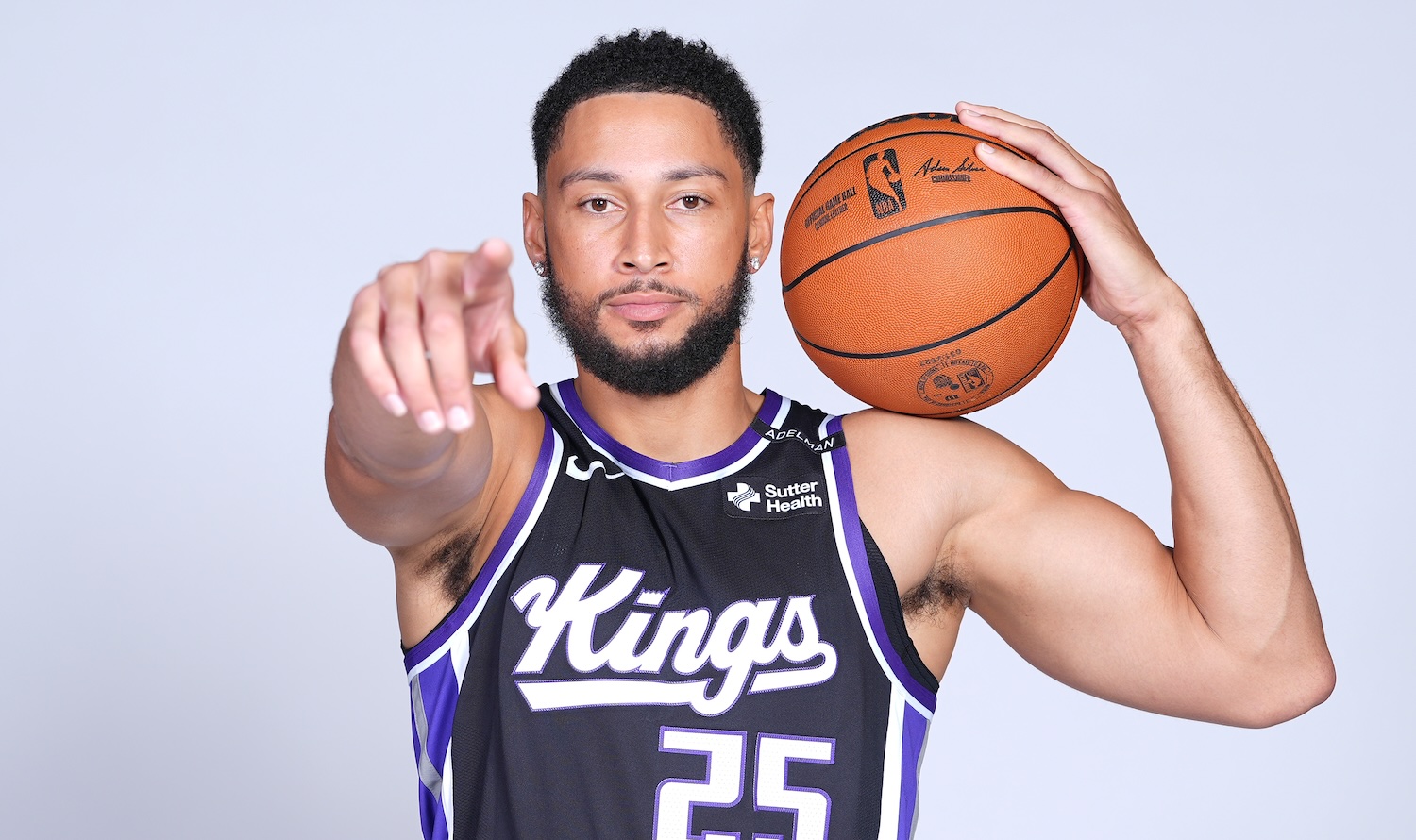
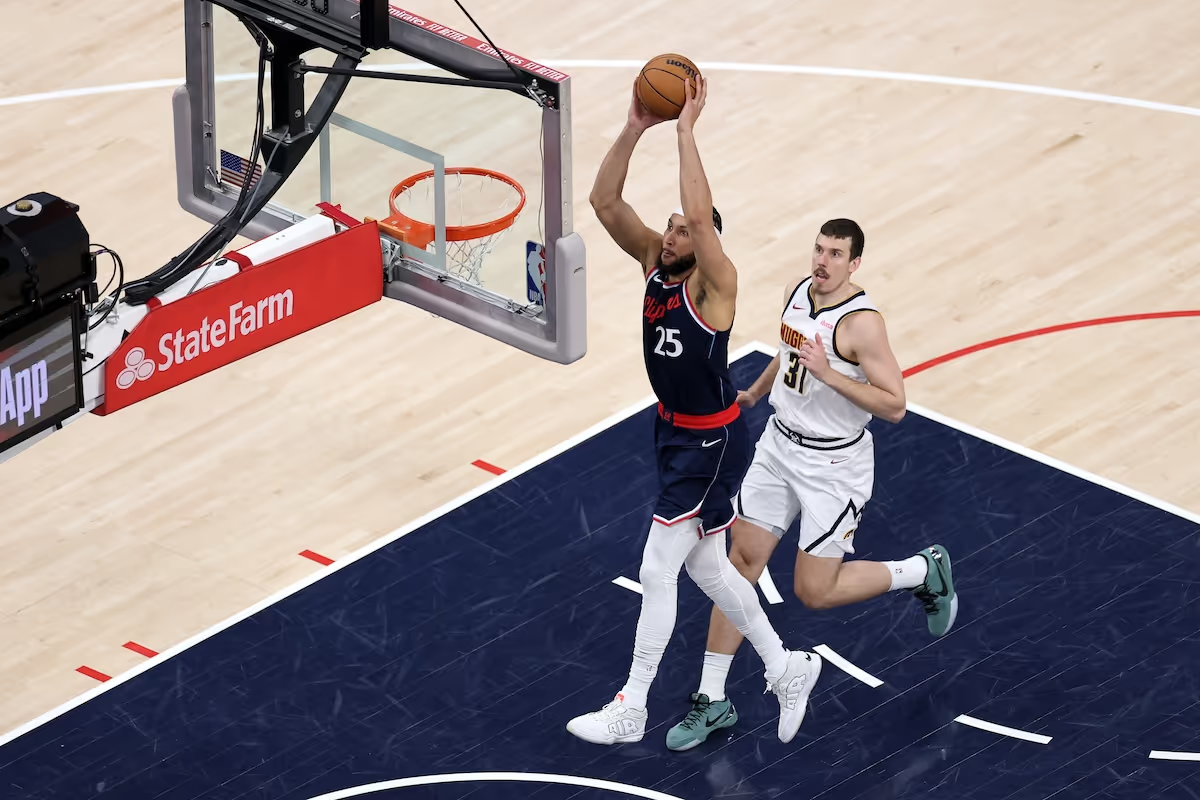
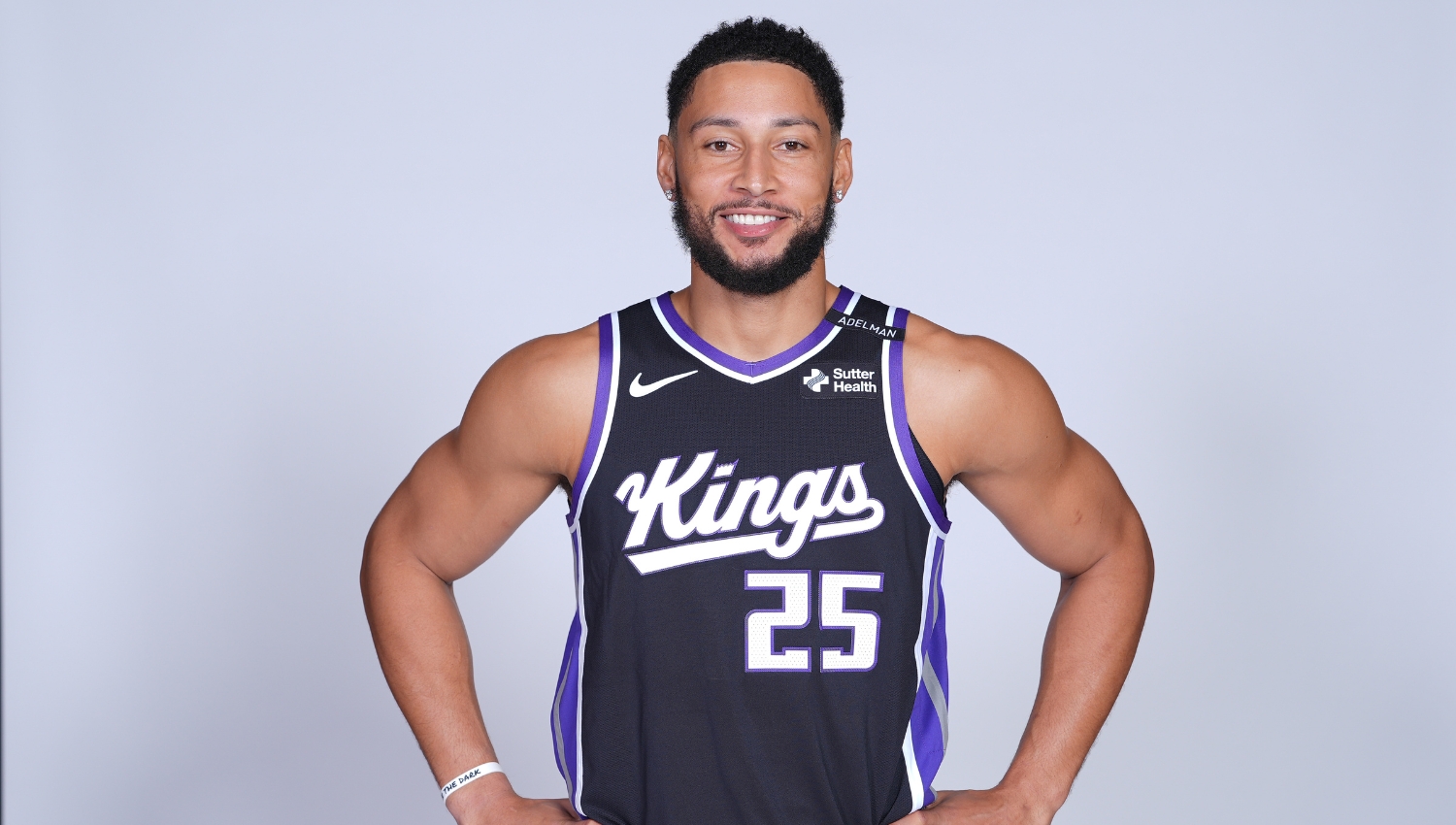
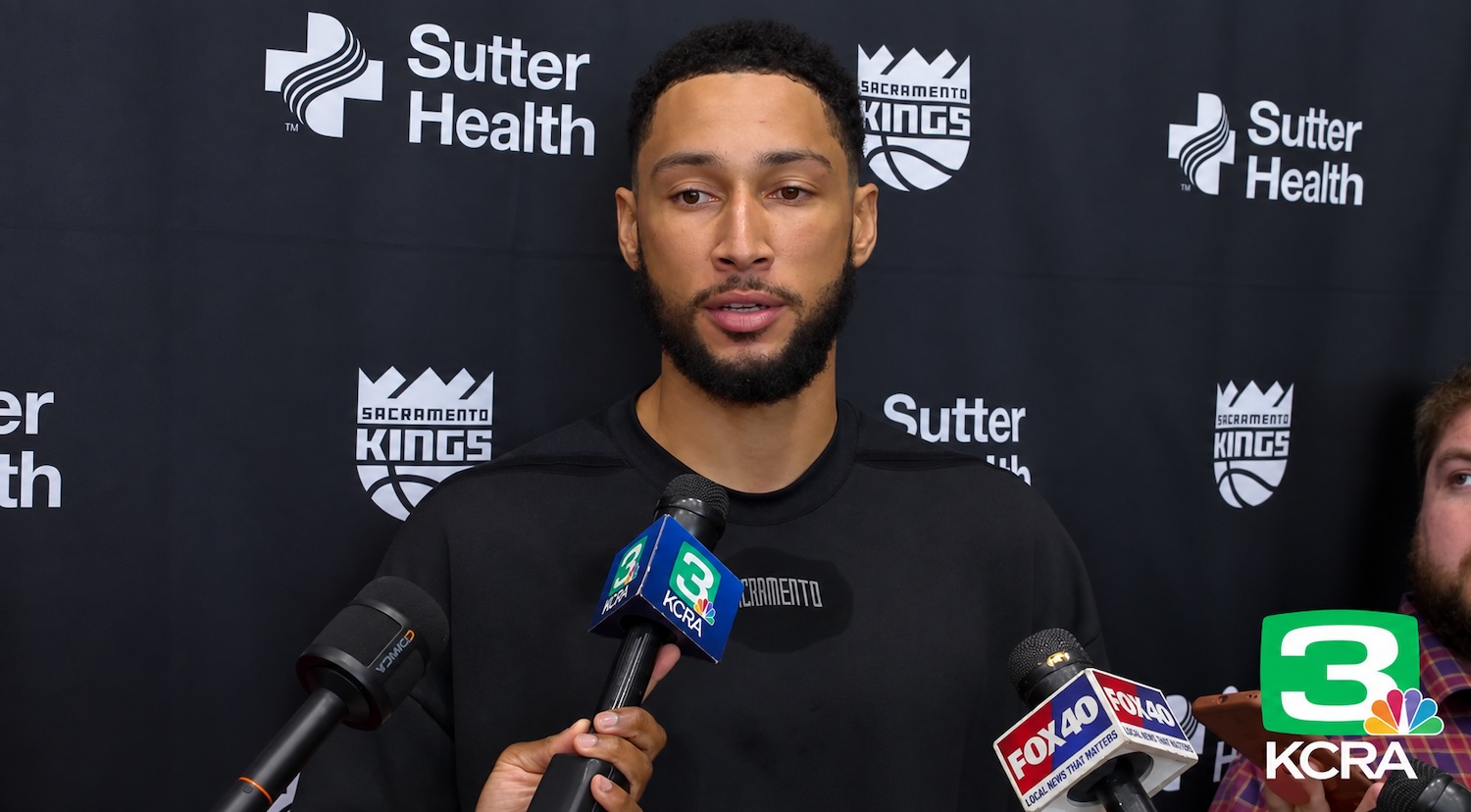
Ben Simmons signed with Los Angeles on February 10, 2025, after a buyout from Brooklyn, and it proved to be his last stop in the league. The Melbourne-born guard was the top pick of the 2016 draft, the 2018 Rookie of the Year and a three-time All-Star, one of the most gifted playmakers of his generation before injury and upheaval pulled his career apart. Patty Mills arrived within the fortnight, and for a few weeks the most Australian-averse roster in the NBA suddenly had two.
That two players of that pedigree were the franchise's first Australians says something about the Clippers. This is a club that spent most of its existence as the other team in Los Angeles, and much of it as the unluckiest in the league.
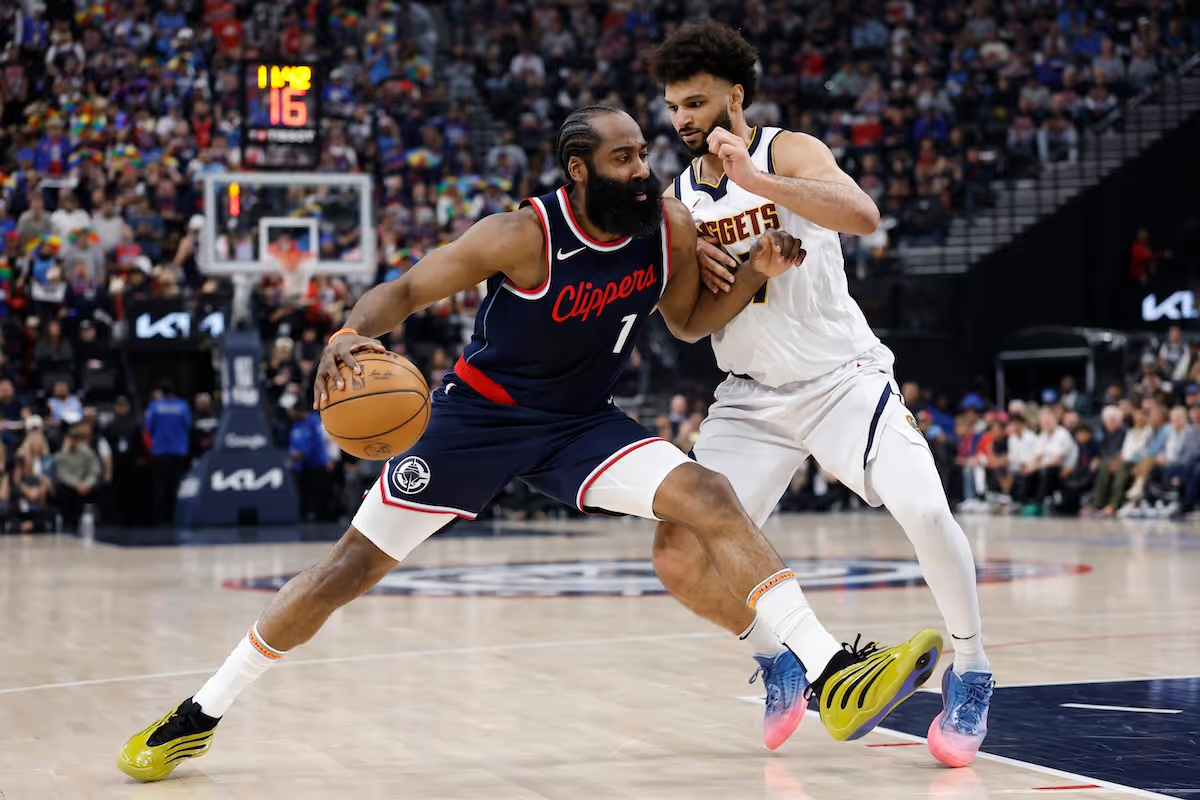
Australians who have played for the Los Angeles Clippers
Two Australians have played for the Clippers, and both arrived in the same fortnight of February 2025.
Ben Simmons is the bigger name. Born in Melbourne on July 20, 1996, he was the first overall pick of the 2016 NBA Draft, the third Melbourne-born number one selection in eleven years after Andrew Bogut and Kyrie Irving. He was named Rookie of the Year in 2018 and made three All-Star teams as a Philadelphia 76er, an elite passer and defender whose career was later derailed by a back injury and a prolonged standoff with the 76ers. After a spell in Brooklyn, he signed with the Clippers on February 10, 2025, and it was the last NBA basketball he played. He sat out the following season.
Patty Mills arrived within days, traded to Los Angeles alongside Drew Eubanks. The guard from Canberra, of Torres Strait Islander and Aboriginal heritage, was by then one of the most decorated Australian basketballers in history: a five-time Olympian, the flag-bearer and bronze medallist at the Tokyo Games, and a rotation guard on San Antonio's 2014 championship team. His stint was brief, on a veteran's minimum.
The Kawhi Leonard salary cap ruling
The investigation that hung over the Clippers for a year ended on September 2, 2026, and it ended badly for them.
The NBA announced that the Clippers and Kawhi Leonard had both breached the salary cap circumvention rules written into the league's collective bargaining agreement with the National Basketball Players Association, and imposed a set of penalties that ranks with the most severe ever handed to a franchise. The findings came from an independent investigation run by the law firm Wachtell, Lipton, Rosen & Katz, which described a pattern of misconduct and multiple significant rules violations by an organisation the league pointedly called a prior offender.
The penalties, in the league's own words, are these.
- The Clippers forfeit five first-round draft picks, one in each of the 2029, 2030, 2031, 2032 and 2033 NBA Drafts.
- The Clippers are fined USD $30 million.
- Owner Steve Ballmer is suspended from all league and team activities for one year.
- President of business operations Gillian Zucker is suspended without pay for one year.
- President of basketball operations Lawrence Frank is suspended without pay for six months.
- The organisation and its personnel are subject to a compliance and monitoring program overseen by the league office for five years.
- Kawhi Leonard is required to pay the league USD $700,000.
- Dennis Robertson, Leonard's uncle and then business manager, is banned from doing business with NBA teams and their affiliates for five years.
What the investigators found was not a single transaction but a system. The league said the Clippers initiated off-court income opportunities between Leonard and four companies doing business with the team, Aspiration Partners, Boingo Wireless, Daktronics and Lockton Insurance, facilitated the endorsement agreements that followed, and induced those companies to sign them by offering them business from the club in return. The Clippers also paid personal expenses on behalf of Leonard and his representatives, and failed to report improper solicitations made on Leonard's behalf through Robertson.
Leonard's own breach, as the league framed it, ran through his uncle. Robertson pressured the Clippers to help Leonard find off-court income, succeeded in getting it, and Leonard then failed to reimburse the club for personal expenses it had paid.
Ballmer was suspended for knowingly seeking to help Leonard obtain off-court income, for approving a business deal he knew was a precondition of Aspiration entering an endorsement agreement with Leonard, and for failing to create the conditions in which his organisation followed the rules. Zucker was found primarily and directly culpable for the impermissible endorsement arrangements and, in the league's words, for providing false and misleading statements to investigators. Frank was cited for his involvement in those arrangements and for approving impermissible expenses incurred by Leonard and his family. Both executives lose their salaries while suspended.
"I am deeply disappointed by the flagrant violations of our rules and by the Clippers' institutional and leadership failures that led to this misconduct," NBA commissioner Adam Silver said in the league's statement. "The severity of the penalties reflects the seriousness of the violations."
The Clippers do not accept any of it. In a statement issued shortly after the announcement the club said it "vehemently reject the NBA's findings, which are the result of a heavily biased investigation seeking to justify a predetermined narrative rather than facts and evidence", and vowed to "vigorously challenge these findings and penalties through every avenue available to us". The league's position is that the argument is over, because the NBA and the players' union have entered into an agreement confirming the penalties are final and binding on all parties. Wachtell Lipton is still receiving information, and the league says it will consider further action if the material warrants it.
Leonard, 35, was fined but not suspended, and his contract and his Bird rights are untouched. "I entered into my contract with the Clippers as well as the agreements in question in good faith, fully committed to fulfilling my obligations and with no knowledge of any intent on anyone's part to circumvent the salary cap," he said in a statement issued through his agent, Harrison Gaines, and reported by the Associated Press. He added that he accepted "full responsibility for lapses in judgment by people within my inner circle".
The whole thing began in September 2025, when the league opened an investigation into a USD $28 million endorsement contract between Leonard and Aspiration Fund Adviser LLC, a company that has since filed for bankruptcy, after reporting by the journalist Pablo Torre.
How the punishment compares
Five first-round picks is not an unprecedented number, but it is close to it.
Sportico noted that the only comparable case is the Minnesota Timberwolves in 1999, when commissioner David Stern ordered the forfeiture of five first-rounders and a USD $3.5 million fine over a secret agreement with Joe Smith, before the league later restored two of those picks. Measured on the fine alone, the Clippers penalty is an order of magnitude larger than anything that has come before it.
It is also the second cap-related finding against this ownership group. The Clippers were fined USD $250,000 in 2015 over their pitch to free agent DeAndre Jordan, which is the prior offence the league leaned on in setting the scale of this one.
2025-26 team snapshot
The Clippers finished 2025-26 at 42-40, ninth in the Western Conference, and lost the 9-10 play-in game 116-97 in Portland to end their season. It was a strange year: they started 6-21, won 16 of 19 to climb back to respectability, then faded to a .500 finish.
Kawhi Leonard was superb when available, averaging 27.9 points, 6.4 rebounds and 3.6 assists across 65 games. James Harden played 44 games as the co-star. The pattern is the one that has defined this era of Clippers basketball: enough talent to contend, not enough health to do it.
Leonard's future is no longer in Los Angeles. The Clippers agreed to trade him to the Toronto Raptors on June 30, 2026, the deal was frozen while the investigation ran.
Leonard has said he is focused on "closing this chapter" and returning to the club where he won a championship and Finals MVP in 2019.
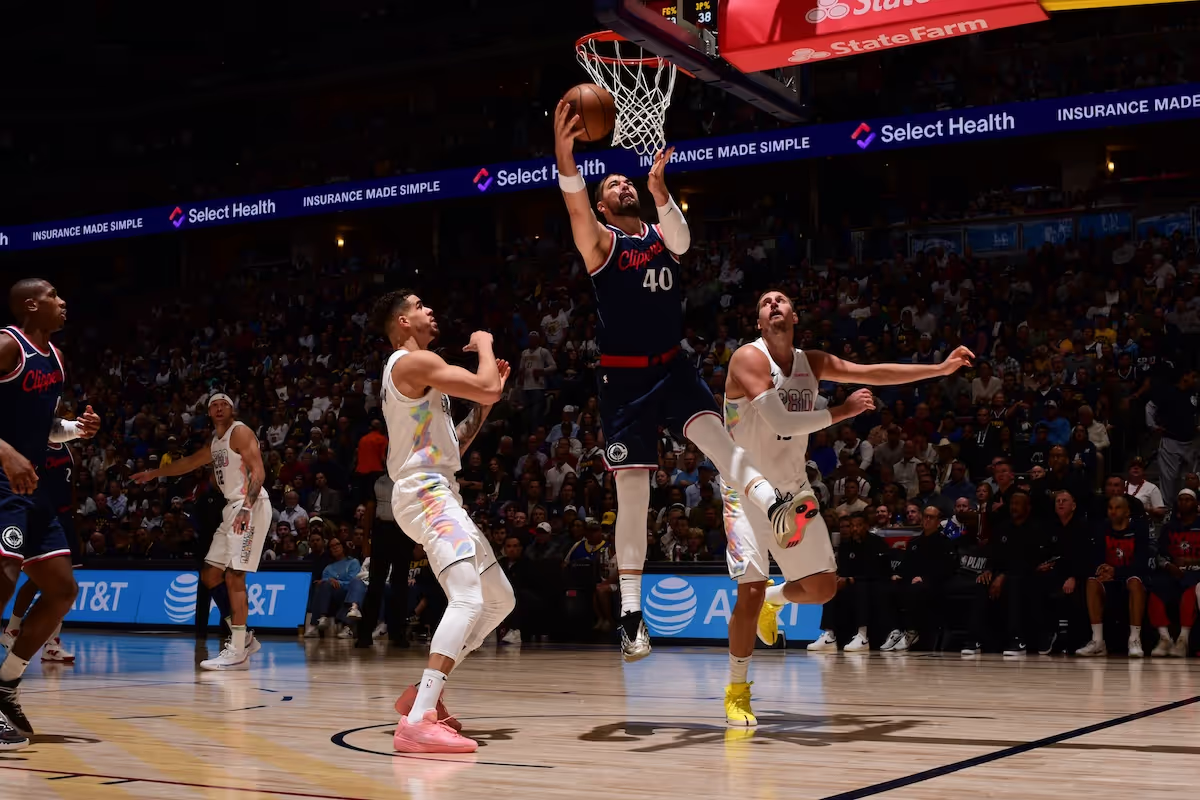
Why the Clippers matter
The Clippers are the NBA's great cautionary tale, and its great test of whether money can buy a way out of one.
For 40 years they were defined by Donald Sterling, an owner so cheap and so toxic that the franchise became a byword for dysfunction. Since 2014 they have been owned by Steve Ballmer, one of the wealthiest men on earth, who has poured billions into the roster and a new arena in pursuit of a first championship. The Clippers matter because they are the experiment: what happens when limitless resources meet a history this heavy.
So far, the history is winning.
From Buffalo to Los Angeles
The franchise began in 1970 as the Buffalo Braves, moved to become the San Diego Clippers in 1978, and relocated to Los Angeles in 1984, when Donald Sterling moved the team north without league approval.
The Braves had brief highlights, including a scoring title for Bob McAdoo, but the move west began four decades of struggle. Between 1984 and 2014 the Clippers won barely 39 per cent of their games, including a 12-70 season in 1986-87. They shared a city, and for years a building, with the Lakers dynasty, and were treated as the support act throughout.
The Sterling ban
The lowest point was also the turning point.
In April 2014, TMZ released audio of Donald Sterling telling an associate not to bring Black people to Clippers games, singling out a photograph she had posted with Magic Johnson. The recordings were a scandal without modern precedent for an NBA owner.
New commissioner Adam Silver, three months into the job, banned Sterling from the league for life on April 29, 2014, fined him the maximum USD $2.5 million, and urged the owners to force a sale. It was the harshest penalty in league history. Sterling resisted, but a court ruling cleared the way, and in August 2014 former Microsoft chief executive Steve Ballmer bought the Clippers for USD $2 billion, a record price at the time.
Lob City, Kawhi, and the near-misses
On the floor, the Clippers have spent the past 15 years being good and never quite enough.
The Lob City era, built around Chris Paul, Blake Griffin and DeAndre Jordan, made the club consistently competitive and consistently eliminated. In 2019 the Clippers signed Kawhi Leonard and traded a historic haul of picks for Paul George, and reached the Western Conference Finals in 2021, the deepest run in franchise history. They have never reached an NBA Finals.
Injuries have been the recurring theme, to the point that our own coverage has asked, seriously, whether the franchise is cursed.
The greatest Clippers of all time
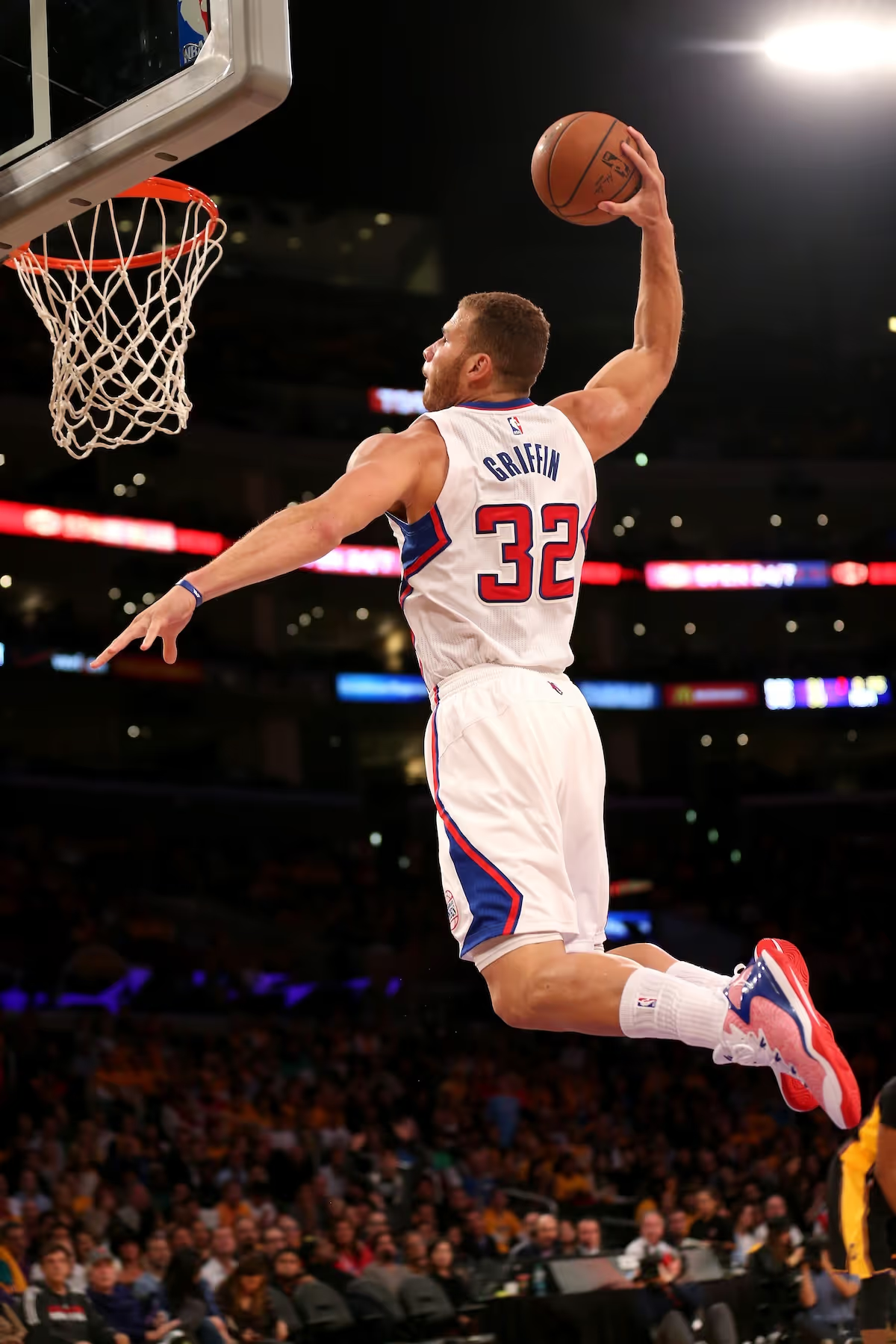
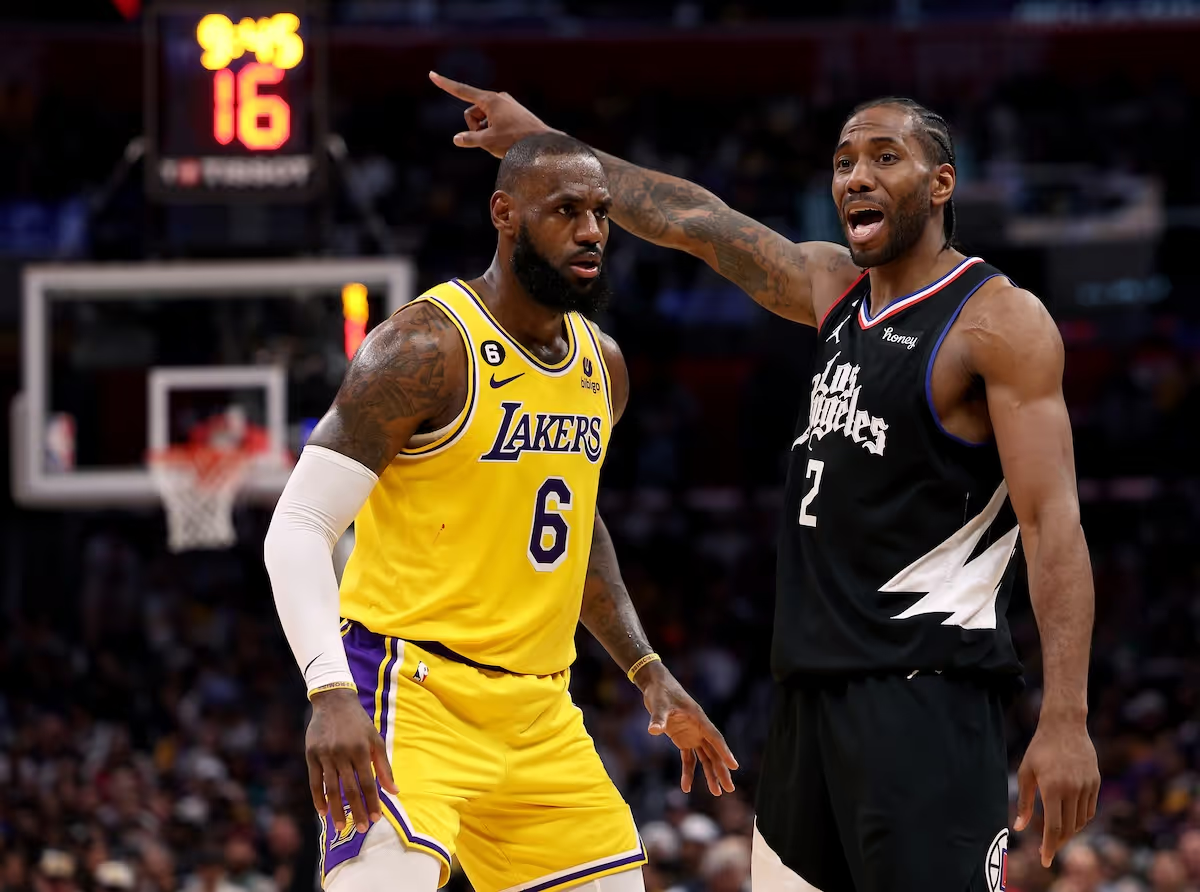
Chris Paul ran the best teams the franchise has fielded and remains the standard for a Clippers point guard. Blake Griffin was its most electric player and the face of the Lob City years. Bob McAdoo won a scoring title and an MVP in the Buffalo era, and Kawhi Leonard is the most decorated player ever to wear the uniform.
DeAndre Jordan anchored the defence for a decade, and Danny Manning, the number one overall pick in 1988, was the best of the lean years.
Five Fast Facts
- The Clippers have never won an NBA championship, and have never reached the NBA Finals.
- The franchise began as the Buffalo Braves in 1970 and moved to Los Angeles in 1984.
- Donald Sterling was banned from the NBA for life in 2014 after racist remarks became public.
- Steve Ballmer bought the Clippers for USD $2 billion in 2014, a record price at the time.
- Ben Simmons and Patty Mills, both Australians, joined the Clippers within ten days of each other in 2025.
Historical Timeline
- 1970: Founded as the Buffalo Braves.
- 1978: Relocate to become the San Diego Clippers.
- 1984: Move to Los Angeles under owner Donald Sterling.
- 1988: Draft Danny Manning first overall.
- 2011-2014: The Lob City era with Chris Paul, Blake Griffin and DeAndre Jordan.
- 2014: Sterling banned for life; Steve Ballmer buys the club for USD $2 billion.
- 2019: Sign Kawhi Leonard and trade for Paul George.
- 2021: Reach the first Western Conference Finals in franchise history.
- 2025: Ben Simmons and Patty Mills become the first Australians to play for the Clippers.
- 2026: Finish 42-40 and miss the playoffs as an NBA investigation into the club begins.
Looking ahead
The Clippers begin 2026-27 with two stars in their mid-30s, no championship in 55 years of trying, and a league investigation running in the background. It is, in miniature, the whole history of the franchise: talent, money and ambition, shadowed by something outside the basketball.
For Australian fans, the connection is recent and bittersweet. Ben Simmons, once the most hyped Australian prospect in a generation, played the last basketball of his NBA career here, and Patty Mills, a five-time Olympian, passed through in the same fortnight. Two players who gave Australian basketball some of its proudest moments, meeting at a franchise still searching for its own.


.avif)