
1
Jul
Team Profile
Minnesota Timberwolves: Five things you need to know

Image created using AI Technology
Featured
Minnesota Timberwolves: where Australia's NBA story began, and where it continues
- Minnesota drafted Luc Longley in 1991, making him Australia's first NBA player.
- Josh Green and Rocco Zikarsky keep the Australian connection alive in 2026-27.
- A four-team trade brought LaMelo Ball to Minnesota and sent two starters away.
Australia's NBA story starts in Minneapolis.
When the Timberwolves used the seventh pick of the 1991 draft on Luc Longley, he became the first Australian to play in the NBA. Thirty-five years later, the franchise still has two Australians on its books.
Josh Green arrived in July 2026 in the four-team trade that brought LaMelo Ball to Minnesota. Rocco Zikarsky, drafted by the Timberwolves in 2025, remains on a two-way contract.
They replace a familiar face. Joe Ingles, who spent his final two NBA seasons in Minnesota, has gone home to the NBL.
For a franchise that has spent nearly four decades searching for a first championship, reinvention has become the habit.
Australians who have played for the Minnesota Timberwolves
Luc Longley is the reason this franchise matters to Australian basketball. Born in Melbourne, he was selected seventh overall in the 1991 draft and became the first Australian to play in the NBA. He spent three seasons in Minnesota, appearing in 193 games and averaging 7.6 points and 5.4 rebounds, before winning three championships with the Chicago Bulls.
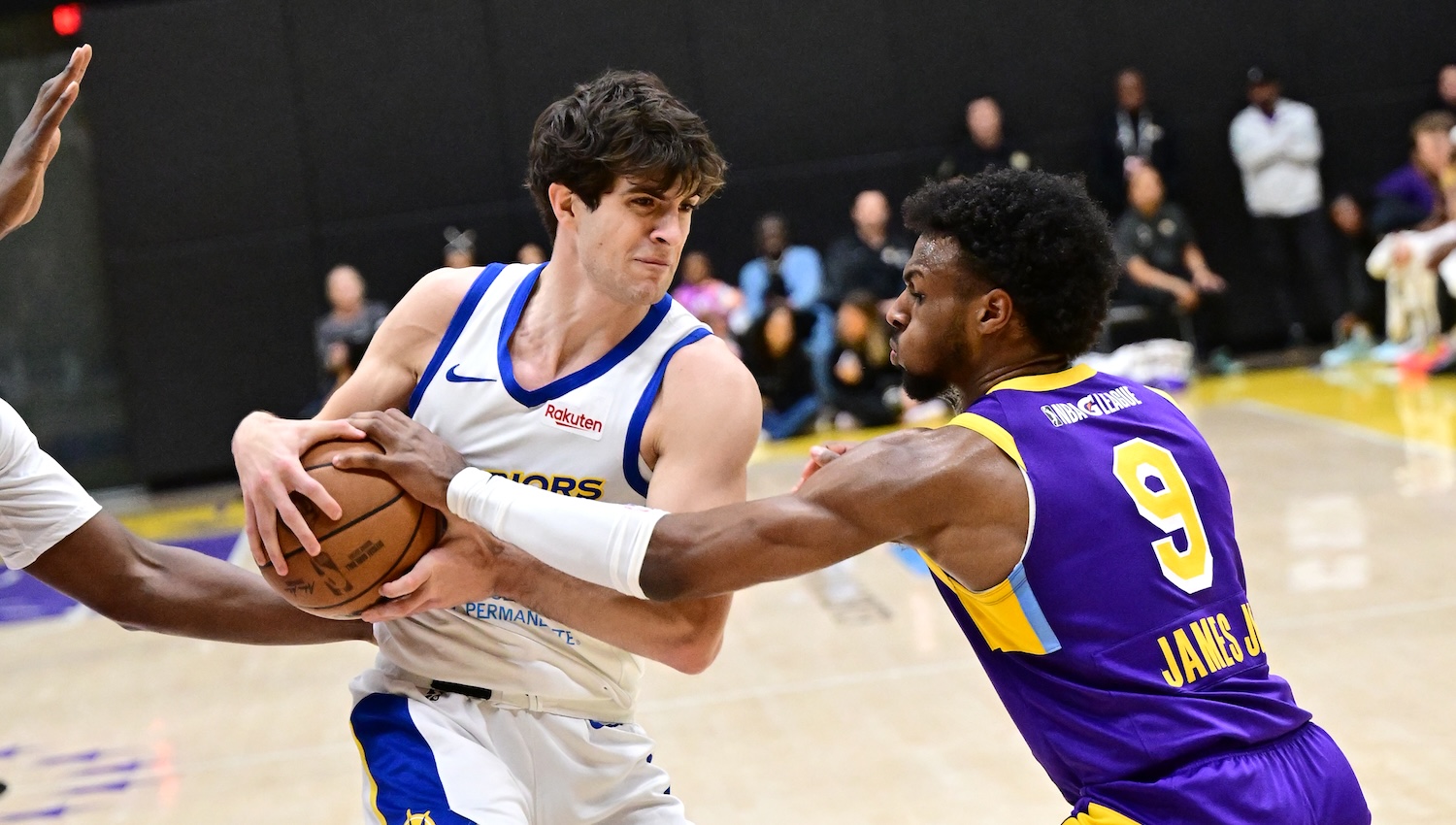
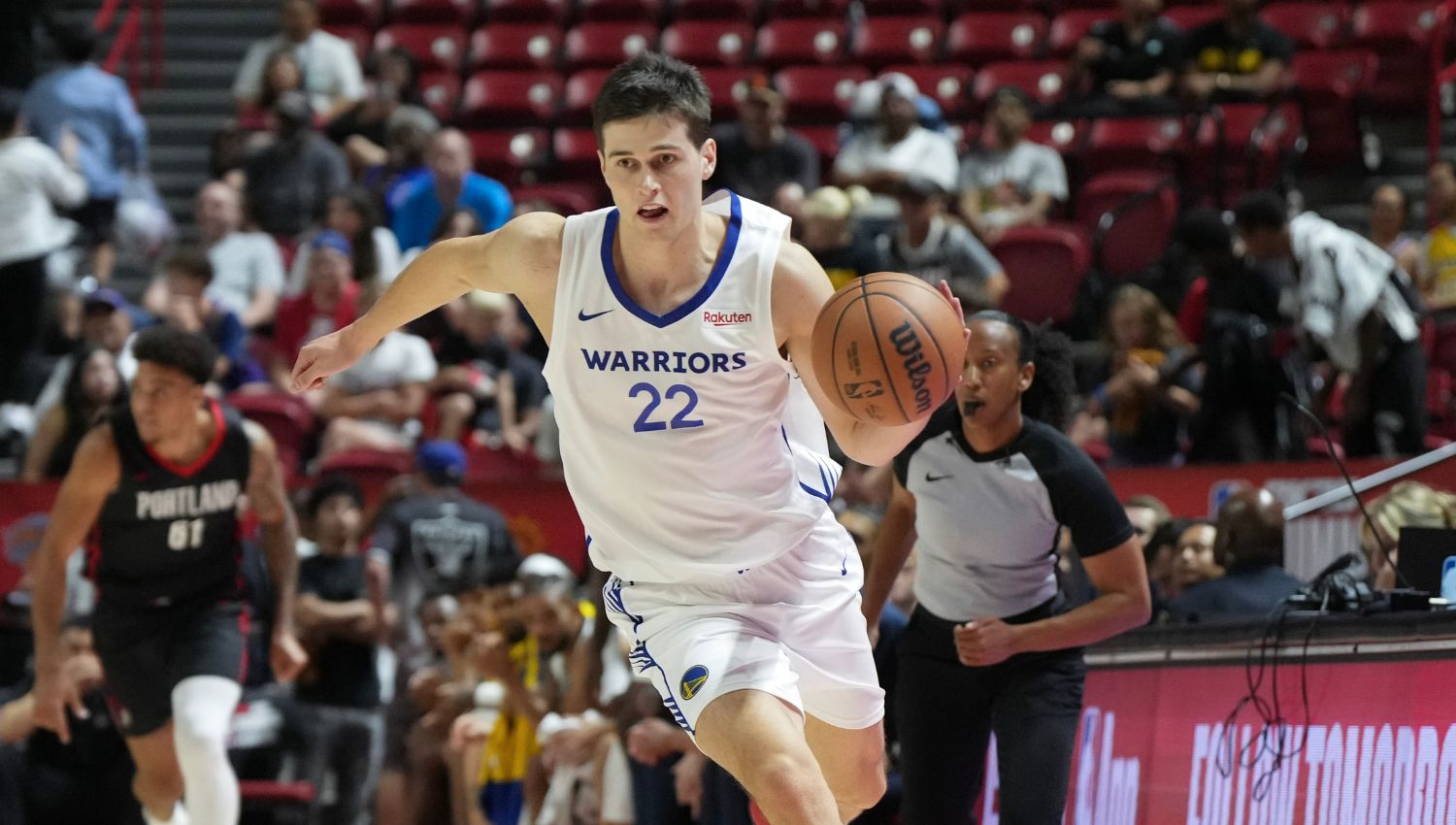
Rocco Zikarsky is the project. Minnesota took the Queensland centre with the 45th pick of the 2025 draft and signed him to a two-way contract that runs through 2026-27. He spent this year's Summer League with the Wolves.
Joe Ingles closed his NBA career here. The Adelaide-born forward signed with Minnesota in July 2024 and played two seasons in the Twin Cities before returning to the NBL with Melbourne United on a two-year deal. He finished with 12 NBA seasons and 810 games across Utah, Milwaukee, Orlando and Minnesota.
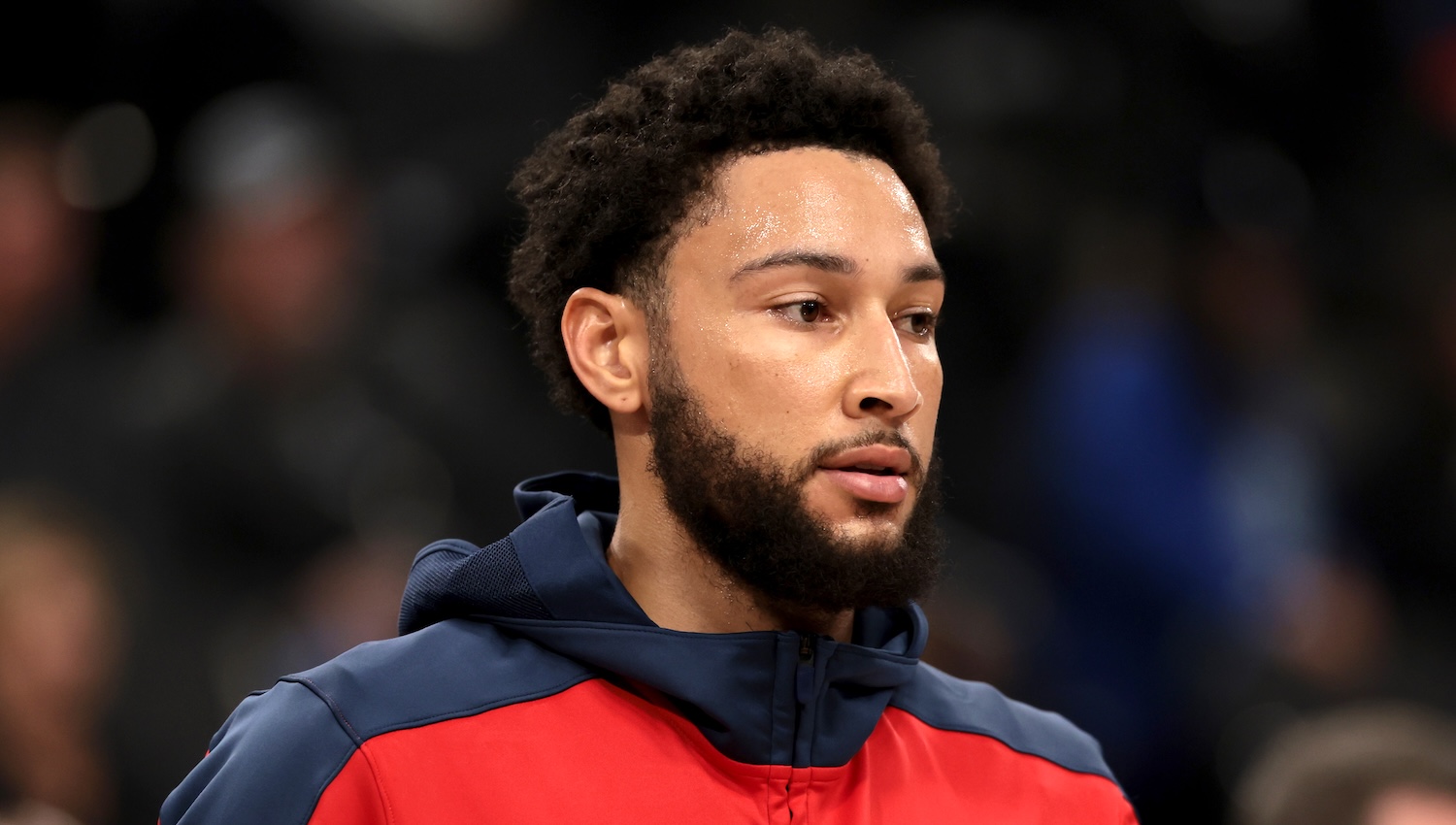
Josh Green is the newest arrival. The 25-year-old from Sydney came from Charlotte in July 2026 after six seasons with Dallas and the Hornets. Listed at 203cm, he has played 349 regular-season games, averaging 6.3 points on 48.0% shooting and 38.7% from three, and has 39 games of playoff experience including Dallas' run to the 2024 NBA Finals. He has represented Australia at two Olympic Games, and at Tokyo he was part of the Boomers team that won Australia's first Olympic medal in men's basketball.

2026-27 team snapshot
Minnesota has torn up the roster that reached two straight Western Conference finals.
Julius Randle and Naz Reid, who between them held down the power forward and backup centre roles, are both gone. So are Mike Conley and Kyle Anderson. In their place is one of the most watchable young backcourts in the league.
LaMelo Ball, 24, joins Anthony Edwards after six seasons in Charlotte. He has career averages of 20.8 points, 5.7 rebounds and 7.3 assists, was Rookie of the Year in 2020-21 and an All-Star in 2022. Last season he played a career-high 72 games at 20.1 points and 7.1 assists.
Edwards remains the franchise. Rudy Gobert, a four-time Defensive Player of the Year, still anchors the defence, and Jaden McDaniels remains one of the league's best perimeter defenders.
The unanswered question is the power forward spot. Randle and Reid shared those minutes last season and neither is on the roster. Trey Lyles is the only natural four, which points to McDaniels sliding up in a smaller lineup with Green or Donte DiVincenzo at the three.
Chris Finch coaches a team carrying a payroll of USD $218,886,255 into the season.

Why the Timberwolves matter
Every NBA franchise has a story.
The Boston Celtics built a dynasty. The Los Angeles Lakers became basketball's glamour club. The San Antonio Spurs defined sustained excellence.
Minnesota has been the hard road.
No championship in 37 seasons. One conference finals appearance before 2024. A franchise that has twice built something worth watching and twice had to start again.
It is also the franchise that opened the door for Australian basketball. Every Australian who has followed Longley into the NBA came through a door Minnesota opened in 1991.
[IMAGE: Timberwolves By The Numbers graphic]
The Kevin Garnett era
The Timberwolves entered the NBA as an expansion team in 1989 and spent six seasons going nowhere.
Then came Kevin Garnett.
Taken fifth overall in 1995 straight out of high school, Garnett became the defining player in franchise history. Minnesota reached the playoffs in eight consecutive seasons from 1997 to 2004, and in 2004 he carried them to the Western Conference finals, the only conference finals appearance of the franchise's first three and a half decades.
That team could not be sustained. Garnett was traded to Boston in 2007 and won a championship there the following season.

The years in between
What followed was one of the longest droughts in the league.
Minnesota drafted well at times, taking Karl-Anthony Towns first overall in 2015, but the wins did not follow. Towns was eventually traded to New York in 2024.
The franchise cycled through coaches and rosters without finding a formula, and for more than a decade the Timberwolves were a team Australian fans watched for one reason only: whichever Australian happened to be on the roster.
Anthony Edwards changed everything
The first pick of the 2020 draft changed the direction of the franchise.
Anthony Edwards arrived as a 19-year-old with obvious physical gifts and turned into one of the most compelling players in the league. The 2022 acquisition of Rudy Gobert gave Minnesota a defensive spine, and by 2024 the Timberwolves were in the Western Conference finals for the first time since Garnett.
They went back in 2025. In 2026 they won 49 games again, beat Denver 4-2 in the first round and lost the Western Conference semi-finals 4-2 to San Antonio.
Three seasons, three deep runs, no finals.
The 2026 rebuild
On July 10, 2026, Minnesota decided that core had gone as far as it could.
The Timberwolves acquired LaMelo Ball and Josh Green from Charlotte, and the draft rights to guard Isaiah Evans from Brooklyn, in a four-team deal also involving Chicago. Out went Naz Reid to Charlotte with a 2033 first-round pick, three second-round picks and three future first-round pick swaps. Julius Randle went to Brooklyn.
Reid had been at Minnesota since 2019 and leaves as the franchise's all-time leading bench scorer. Randle averaged 20.0 points across two seasons.
Trading two starting bigs for a 20-point guard is a bet on offence, and on the idea that a backcourt of Edwards and Ball can outscore what the defence gives up.
The greatest Timberwolves of all time
Kevin Garnett stands alone. Fifth overall in 1995, he gave the franchise its only sustained era of relevance and its only conference finals appearance before 2024.
Anthony Edwards is closing the gap. Back-to-back conference finals and a third straight deep playoff run have made him the face of the franchise and one of the faces of the league.
Karl-Anthony Towns was the most gifted offensive big the club has had. Rudy Gobert brought the defensive identity that had never existed here. Sam Cassell and Latrell Sprewell were the running mates who made 2004 possible.
And Luc Longley, for three seasons and 193 games, was the first Australian to wear an NBA uniform.
Five Fast Facts
1. Minnesota drafted Luc Longley seventh overall in 1991, making him Australia's first NBA player.
2. The Timberwolves entered the NBA as an expansion team in 1989 and have never won a championship.
3. Kevin Garnett led the franchise to eight consecutive playoff appearances from 1997 to 2004.
4. Anthony Edwards was selected first overall in the 2020 draft.
5. The franchise is owned by former baseball star Alex Rodriguez, who took official ownership in June 2025.
Historical Timeline
- 1989: Founded as an expansion team.
- 1991: Draft Luc Longley seventh overall, Australia's first NBA player.
- 1995: Draft Kevin Garnett fifth overall.
- 1997: Reach the playoffs for the first time.
- 2004: Reach the Western Conference finals.
- 2007: Trade Kevin Garnett to Boston.
- 2015: Draft Karl-Anthony Towns first overall.
- 2020: Draft Anthony Edwards first overall.
- 2022: Acquire Rudy Gobert.
- 2024: Reach the Western Conference finals for the first time since 2004.
- 2024: Sign Joe Ingles.
- 2025: Reach a second consecutive Western Conference finals, and draft Rocco Zikarsky 45th overall.
- 2026: Lose the Western Conference semi-finals, then trade for LaMelo Ball and Josh Green.
Looking ahead
Minnesota has never won a championship, and the roster that came closest has been dismantled.
What replaces it is younger, faster and less certain. Edwards and Ball is a backcourt built for the highlight package, and whether it can defend well enough to matter in May is the question that defines the season.
For Australian viewers there is a simpler reason to watch. This is where Luc Longley opened the door in 1991. Thirty-five years on, Josh Green is chasing the rotation minutes he never got in Charlotte, and Rocco Zikarsky is trying to turn a two-way contract into a career.
The franchise that gave Australia its first NBA player is not done with us yet.



.jpg)


.jpg)
.jpg)