
29
Jan
Aussies in the NBA
How Proctor could become 'King James' teammate

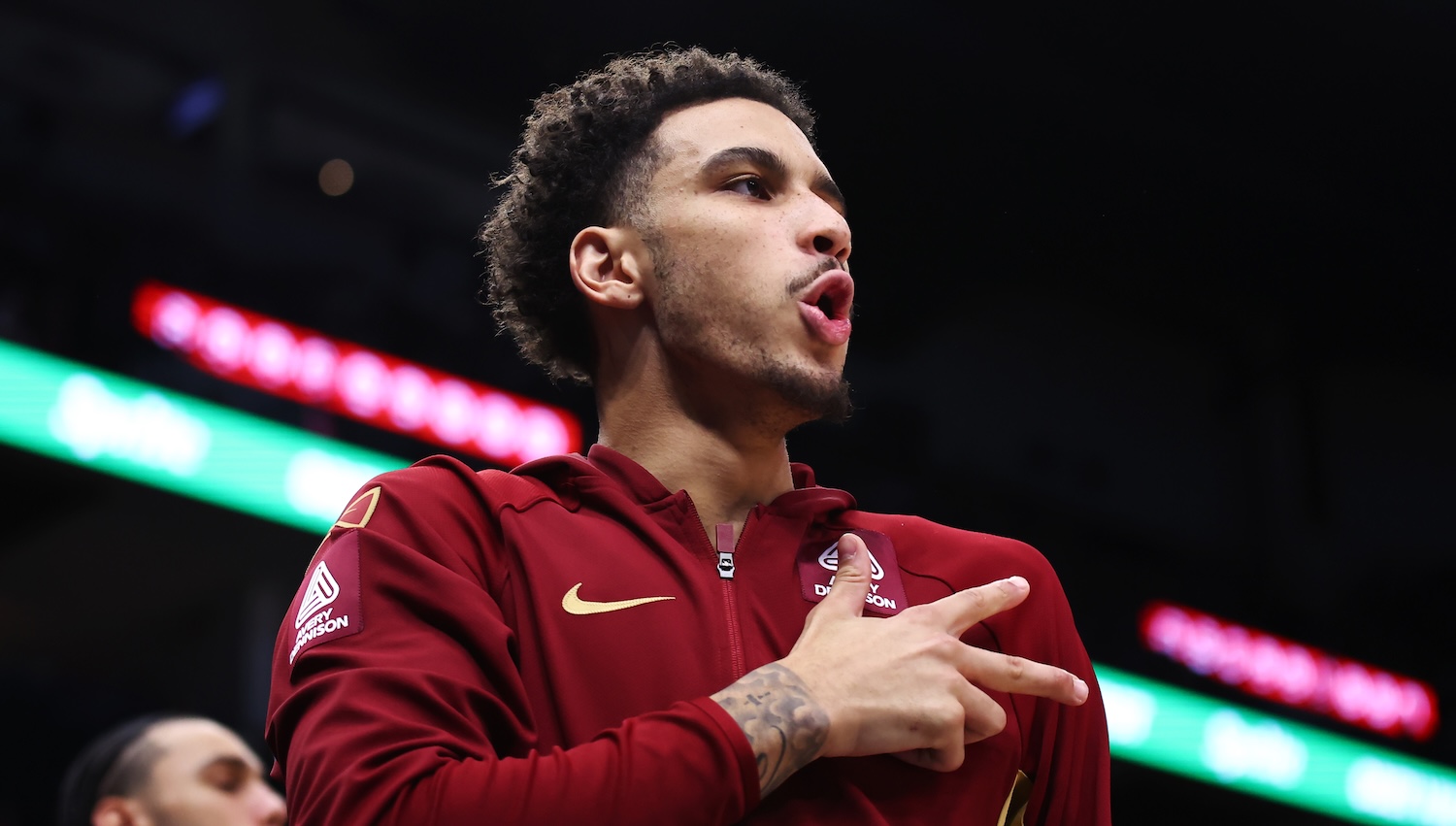
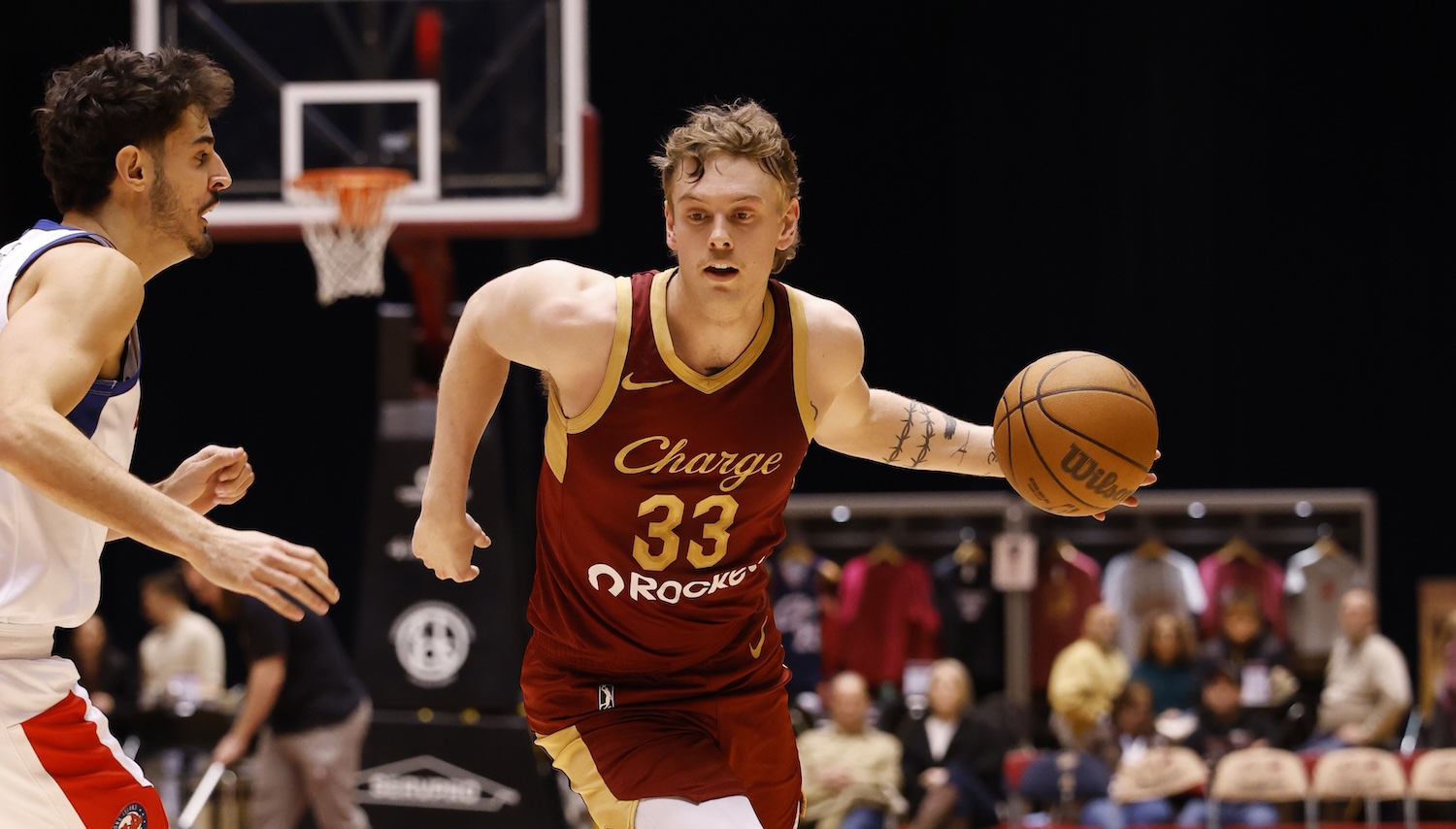
Australian Cleveland Cavaliers point guard Tyrese Proctor. Photo by Tyler Clouse/Getty Images
Highlights
LeBron James could join Tyrese Proctor's Cavaliers in complex three-team trade before deadline
- Tyrese Proctor looks built for the NBA
- Cavs coach Kenny Atkinson 'all in' on Aussie Tyrese Proctor
- Tyrese Proctor earns first NBA start as Josh Giddey fills stat sheet
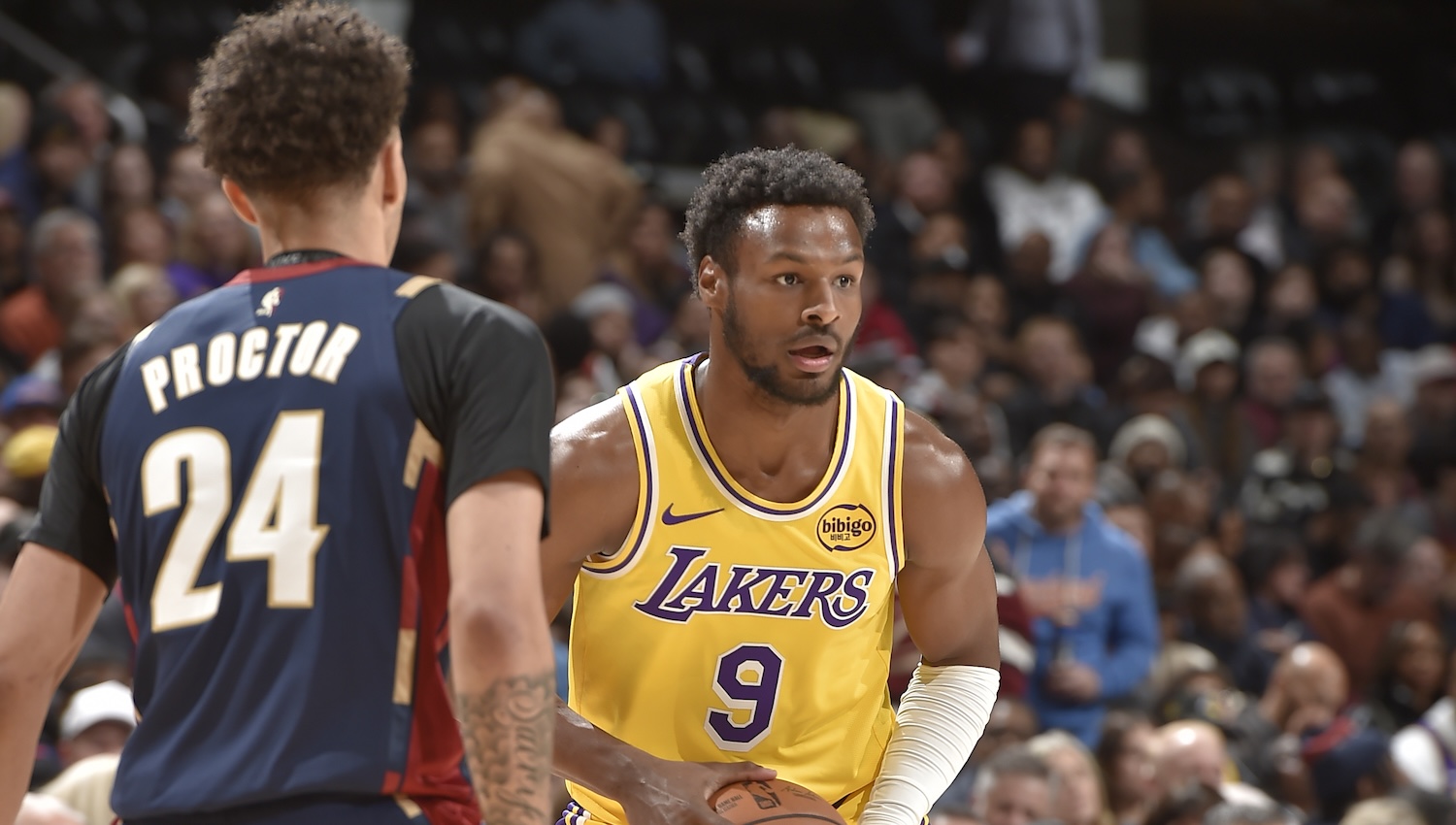
Australian Cleveland Cavaliers back-up point guard Tyrese Proctor may have a new teammate by the February 5, 2026 NBA trade deadline – LeBron James.
Sydney-born Proctor, 21, is in his rookie season for Cavaliers, who are now part of three-team trade speculation that would send Cleveland hero James, 41, back to where it all started in Ohio.
To add even more intrigue, the Lakers are in Cleveland today to take on the Cavaliers meaning conversations can take place face-to-face.
The trade would involve the Lakers, Cavaliers and Utah, which would send James to the Cavs, Jarrett Allen and Lauri Markkanen to the Lakers and a lottery pick to the rebuilding Jazz.
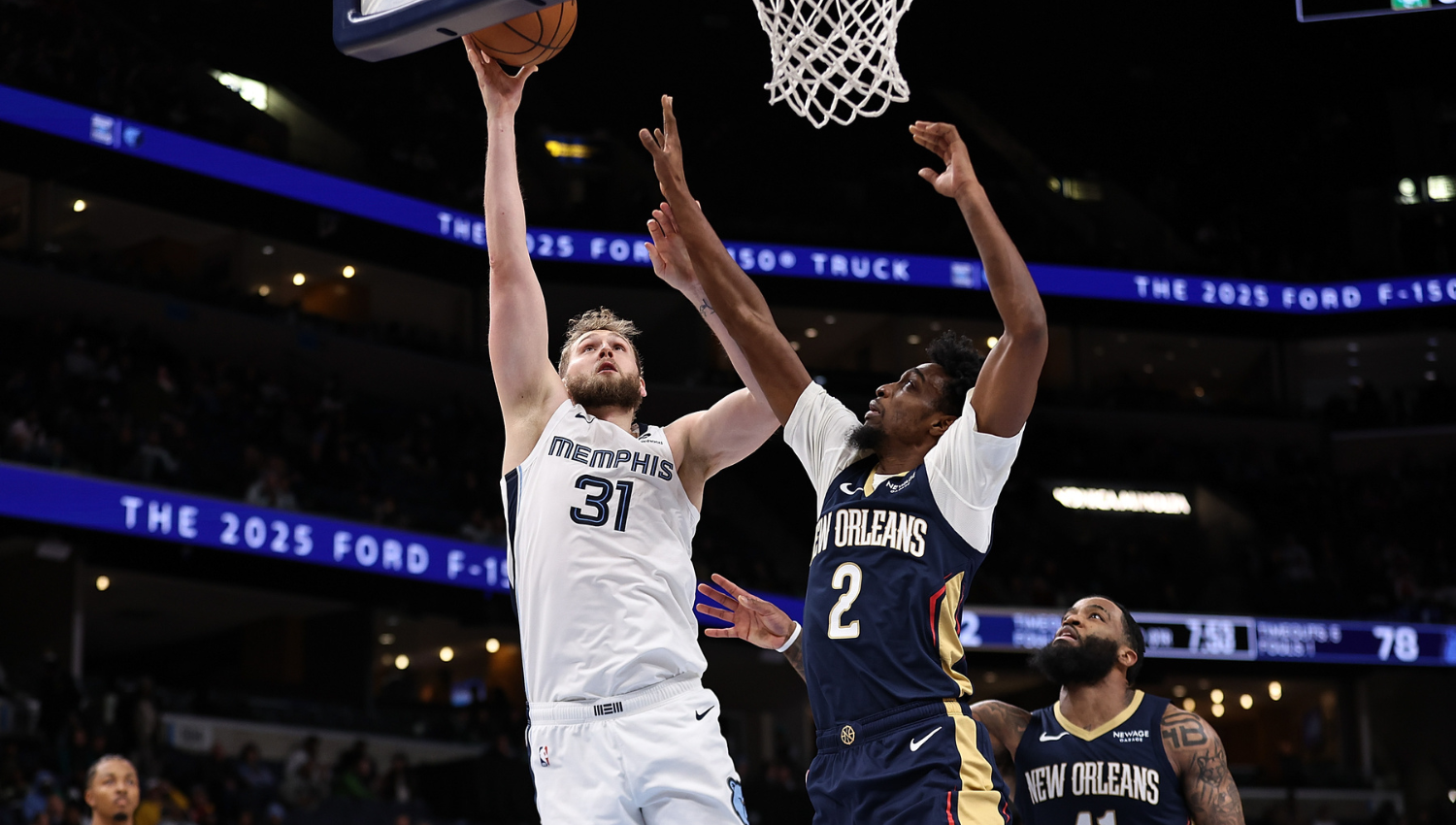
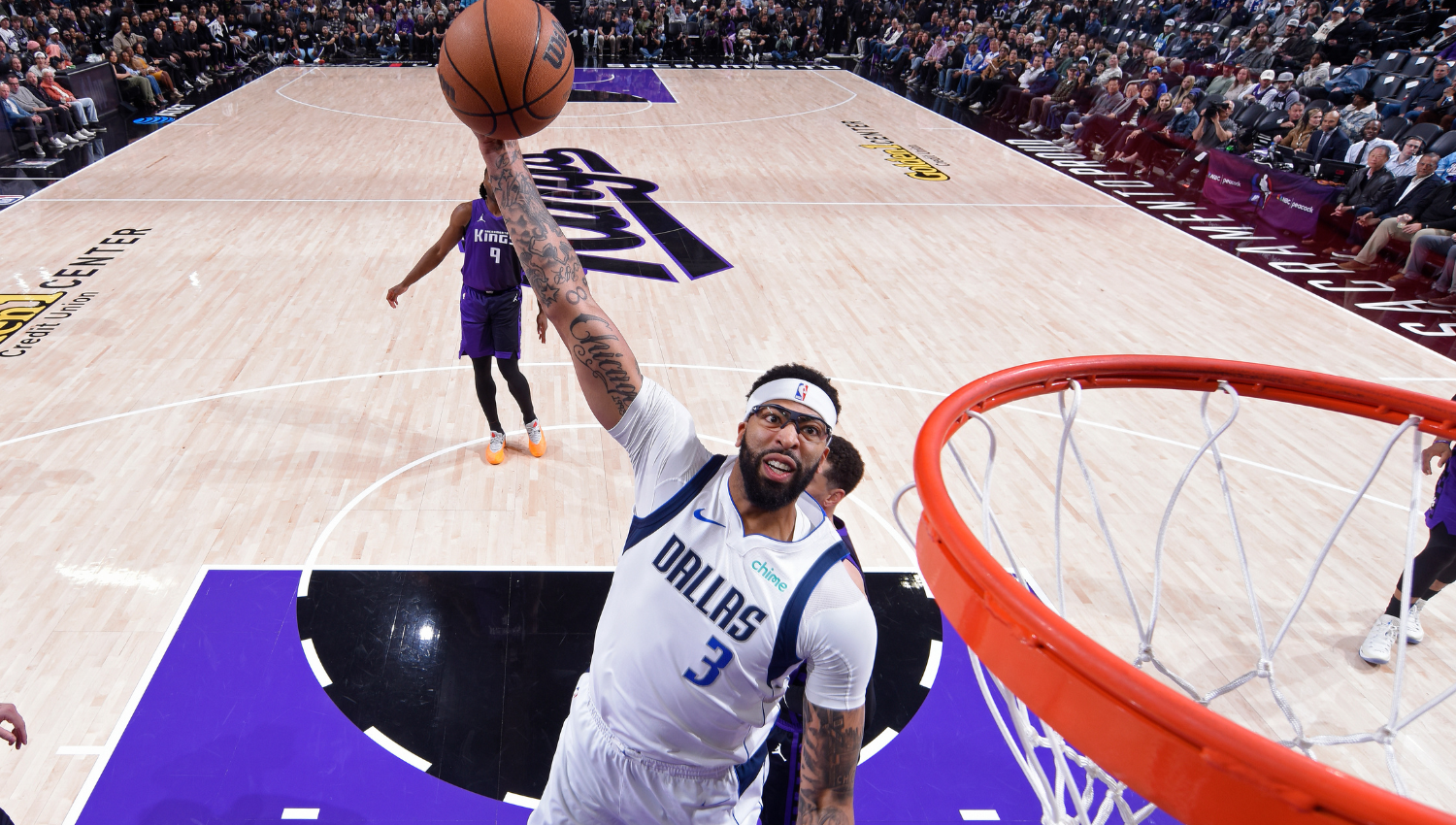
James' agent Rich Paul has created waves from ripples in his podcast with Max Kellerman in the past month suggesting the Los Angeles Lakers should trade Austin Reeves for Australian Jock Landale's Memphis big Jaren Jackson Jr in the same news cycle that Lakers Governor Jeanie Buss, the daughter of the late Jerry Buss, reportedly "grumbled" about James' Lakers legacy.
ESPN reported: "Team sources told ESPN she even began to turn against the Lakers' star player, LeBron James. Jeanie privately grumbled, people close to the team say, about what she felt was James' outsized ego and the overt control that he and Klutch Sports, which represents both James and Anthony Davis, exerted over the organisation at times. She didn't like that James was considered a saviour for a floundering franchise when he arrived in 2018 and that it was he who chose the Lakers rather than the team's leadership receiving praise for landing him."
How did we get here?
- With LeBron James’ future in Los Angeles uncertain and his no-trade clause limiting options, a return to Cleveland is framed as a rare, logical fit – a contender that preserves his legacy.
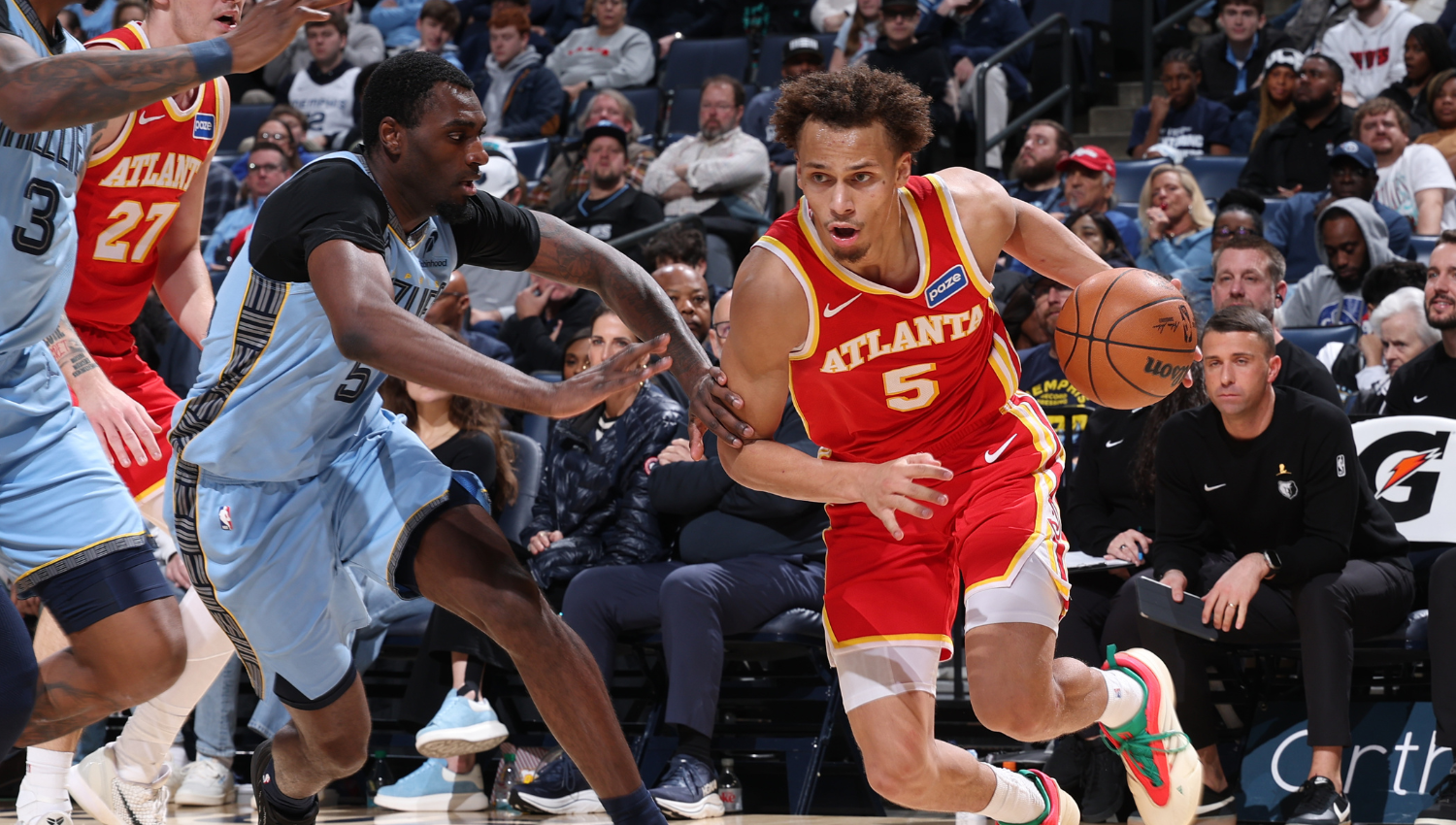
- A complex three-team trade with Utah is proposed to navigate second-apron restrictions, allowing Cleveland to acquire LeBron James (plus Bronny James and Adou Thiero) without giving up Donovan Mitchell, Evan Mobley or Darius Garland, while shedding enough salary to exit the second apron.
- Cleveland’s rationale: add postseason toughness and experience to a 27–20 team stuck in the East’s middle tier, make a genuine title push 10 years after 2016, regain financial flexibility, and potentially re-sign LeBron on a short, team-friendly deal.
- Lakers’ rationale: pivot fully to a Luka Dončić–led timeline by swapping LeBron for Lauri Markkanen and Jarrett Allen, younger All-Star-level fits who improve long-term competitiveness without adding major salary risk.
- Jazz’s rationale: accelerate a rebuild by trading Markkanen at peak value, secure stronger draft capital (including unprotected Lakers picks), add expiring contracts and movable veterans, and improve odds of landing a top-eight draft pick.
- The proposal positions Cleveland as a win-now team, the Lakers as a retooled contender around Dončić, and Utah as a cap-flexible rebuild – presented as the “LeBron trade that actually makes sense.”
James was drafted by his home state Cavaliers with the first overall pick in 2003. He took his "talents to South Beach" in 2010 and won two championships with the Miami Heat before returning to Cleveland, leading the Cavs to their first NBA championship in 2016.
He left for the Lakers as a free agent in 2018, and won his fourth ring with the Lakers in 2020 COVID Bubble.
Why this trade is even possible
The entire deal is built around second-apron mechanics.
- Cleveland is currently above the second apron, which normally makes trading for a $52.6M player like LeBron James impossible.
- Teams above the second apron cannot aggregate contracts, cannot take back more salary than they send out, and are heavily restricted in trade construction.
This trade works because Cleveland sheds far more salary than it takes back, allowing it to drop below the second apron at the end of the transaction.
Cleveland Cavaliers – salary in vs salary out
- LeBron James salary: $52.6M
- Cleveland outgoing salary (via Utah and L.A.): well over $70M
Key point:
- Cleveland is not aggregating contracts to acquire LeBron.
- The final ledger leaves Cleveland over $20M below the second apron, immediately removing second-apron penalties.
Result for Cleveland
- Legal acquisition of LeBron
- Freedom from second-apron restrictions
- Over $100M saved in combined salary and luxury tax payments this season
- LeBron’s deal expires in the summer, creating short-term flexibility
Why Utah is essential
Utah is the financial clearing house.
- The Jazz are $43M below the luxury tax line
- They own an $18.4M traded player exception (TPE) from the John Collins deal
- They can absorb contracts without sending matching salary
Utah:
- Takes in Strus via the TPE
- Absorbs multiple mid-sized contracts
- Allows Cleveland and L.A. to avoid taking back extra salary
Without Utah, the trade collapses immediately.
Los Angeles Lakers – apron protection
- The Lakers are near the first apron
- They must avoid adding salary in any LeBron trade
This structure:
- Moves LeBron’s $52.6M off L.A.’s books
- Brings back Markkanen and Allen without pushing L.A. into apron violations
- Converts a protected 2027 first into unprotected, satisfying Utah without L.A. taking on long-term bad money
Result for the Lakers
- Salary stability
- Younger core aligned with Luka Dončić’s timeline
- No hard cap issues
Draft picks as financial assets
Draft picks here are not just basketball value – they are cap tools.
- 2027 first (unprotected) – maximum long-term value for Utah
- 2031 first (top-four protected) – future flexibility when Dončić is in his 30s
Utah converts Markkanen’s salary into:
- Picks
- Expiring contracts
- Future cap space
Why LeBron’s contract matters
- LeBron’s $52.6M expires this summer
- Cleveland is not locking into long-term salary
- A new deal could be:
- One year
- Team-friendly
- Structured around a final title run
This is why Cleveland can justify the risk.
Bottom line
This is not a basketball-first trade – it is a CBA-first trade.
- Cleveland escapes the second apron
- The Lakers reset around Luka
- Utah converts an All-Star into picks, cap space and tradable contracts
From a front office perspective, every piece of the deal exists to satisfy apron math, not sentiment.