
19
Mar
Aussies in WNBA
Big deal: WNBA stars to earn USD $1.4 per season

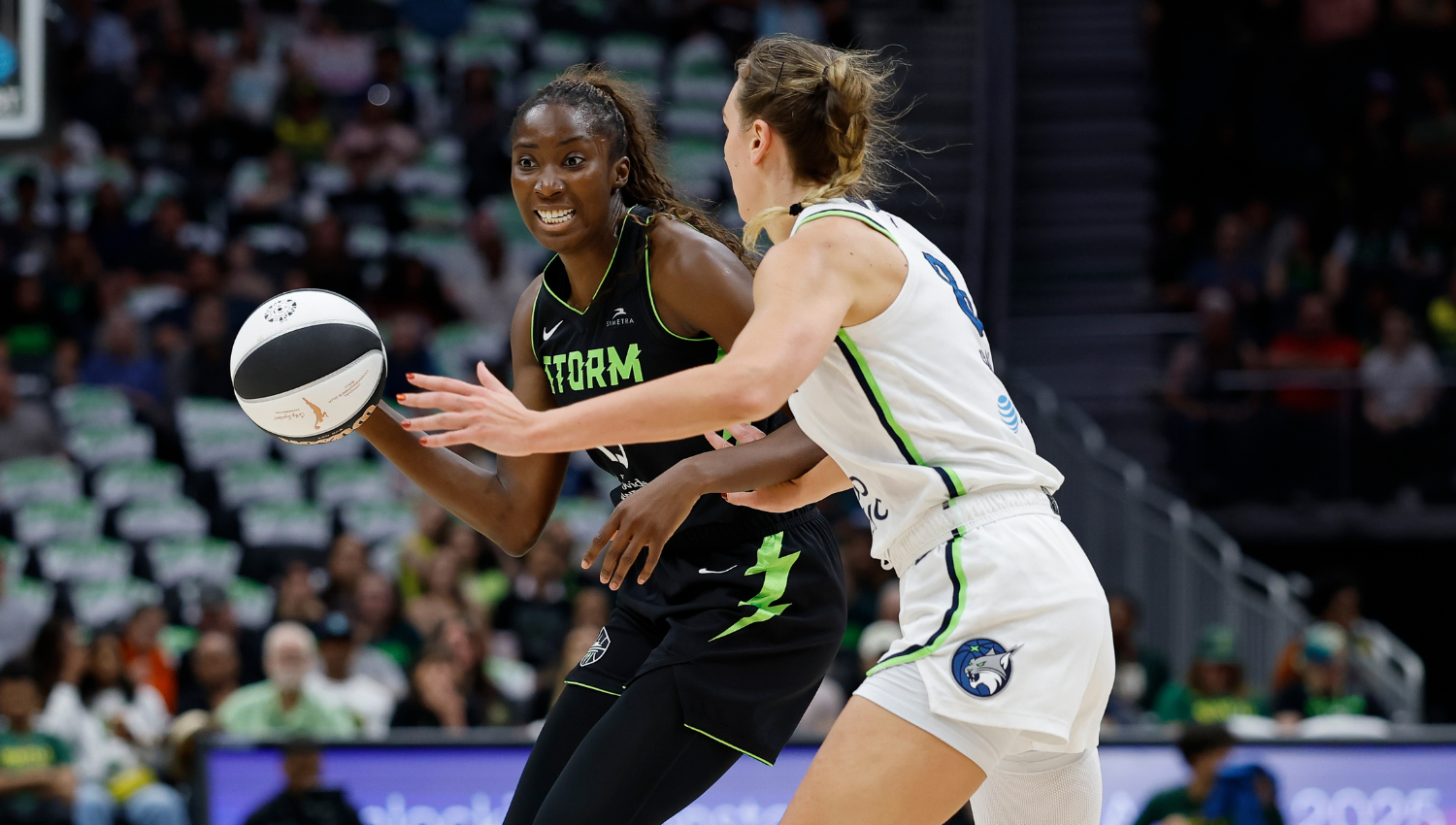
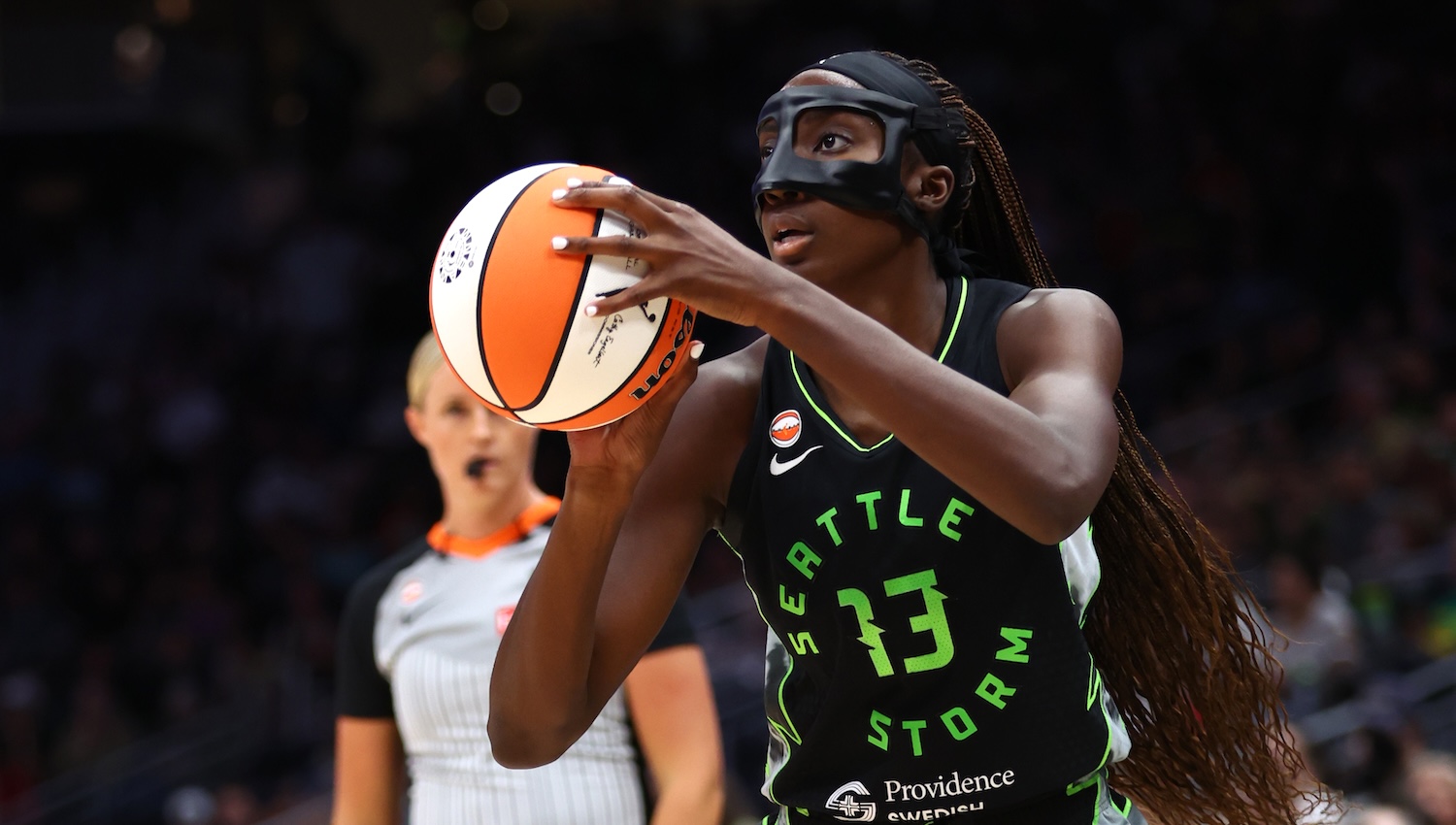
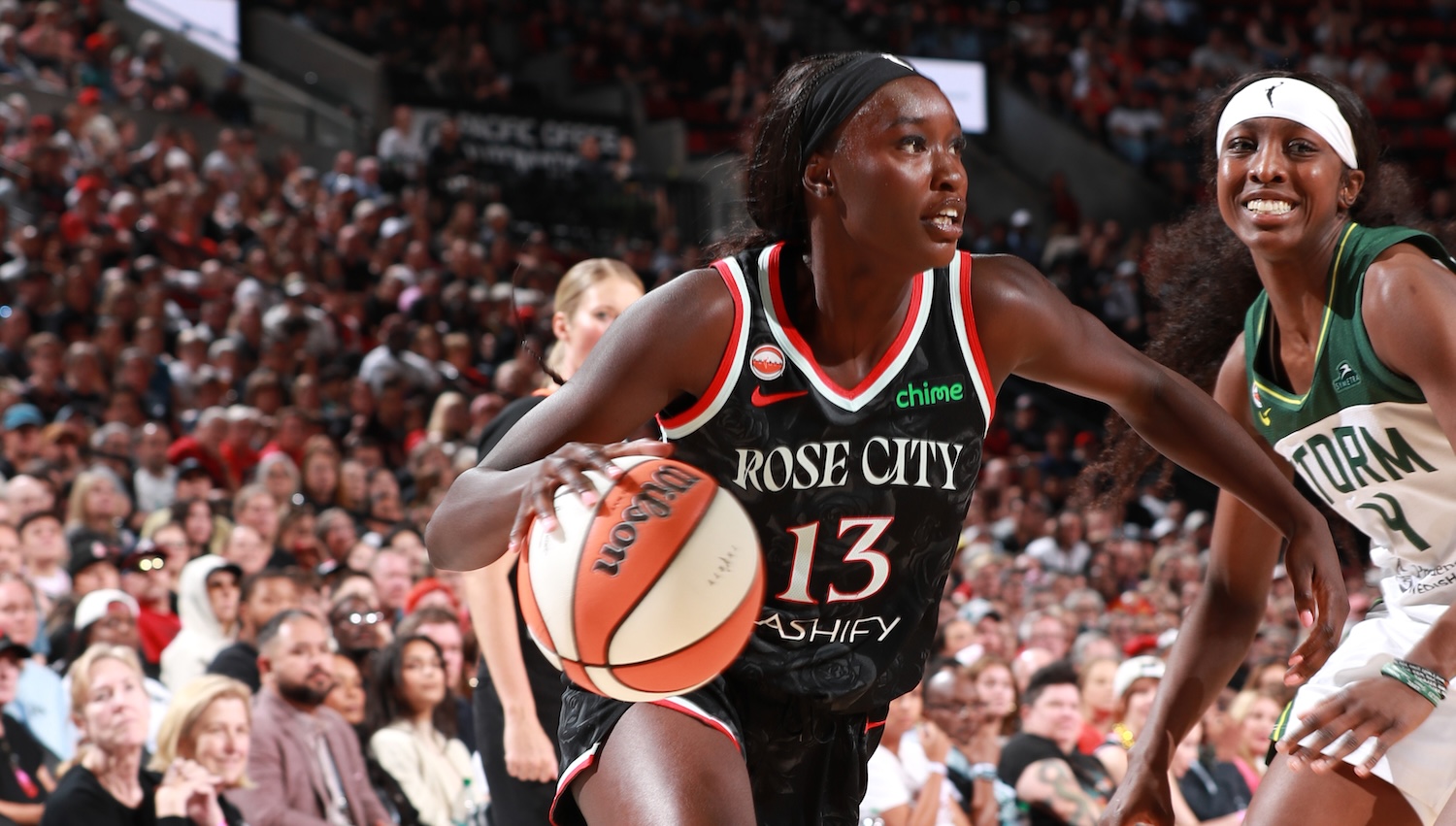
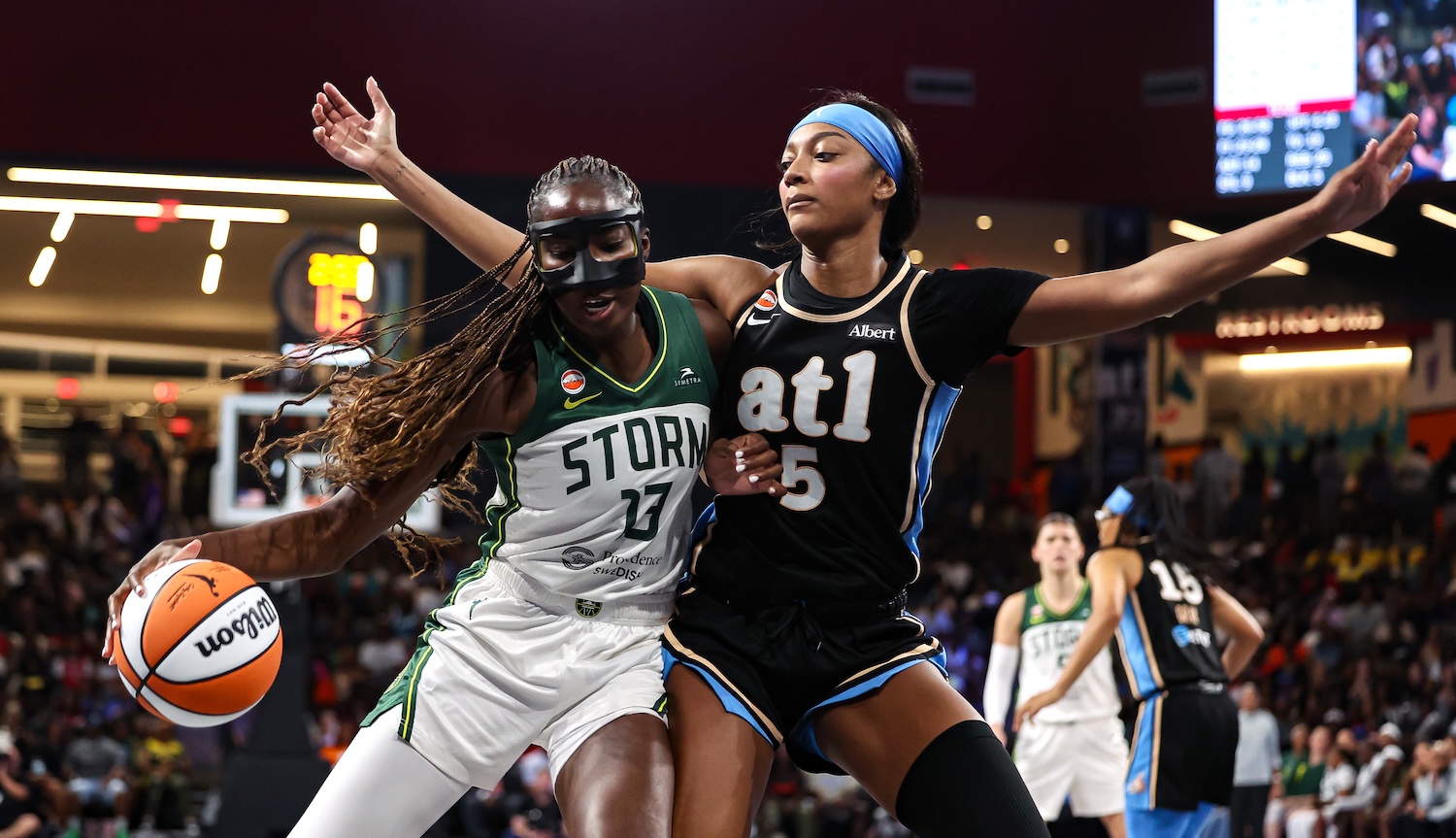
Ezi Magbegor #13 of the Seattle Storm controls the ball against Alanna Smith #8 of the Minnesota Lynx during the game at Climate Pledge Arena on June 11, 2025 in Seattle, Washington. Photo: Alika Jenner/Getty Images
Sandy Brondello and Australian WNBA stars await CBA outcome before 2026 season clarity
- Angel Reese on fashion, fame and finding purpose
- Why Unrivaled's 2026 matters for Aussies in Smith, Magbegor and Allen
- Championship completes Alanna Smith's Unrivaled year
The WNBA's new collective bargaining agreement will lead to the first seven-figure USD salary in the league's history.
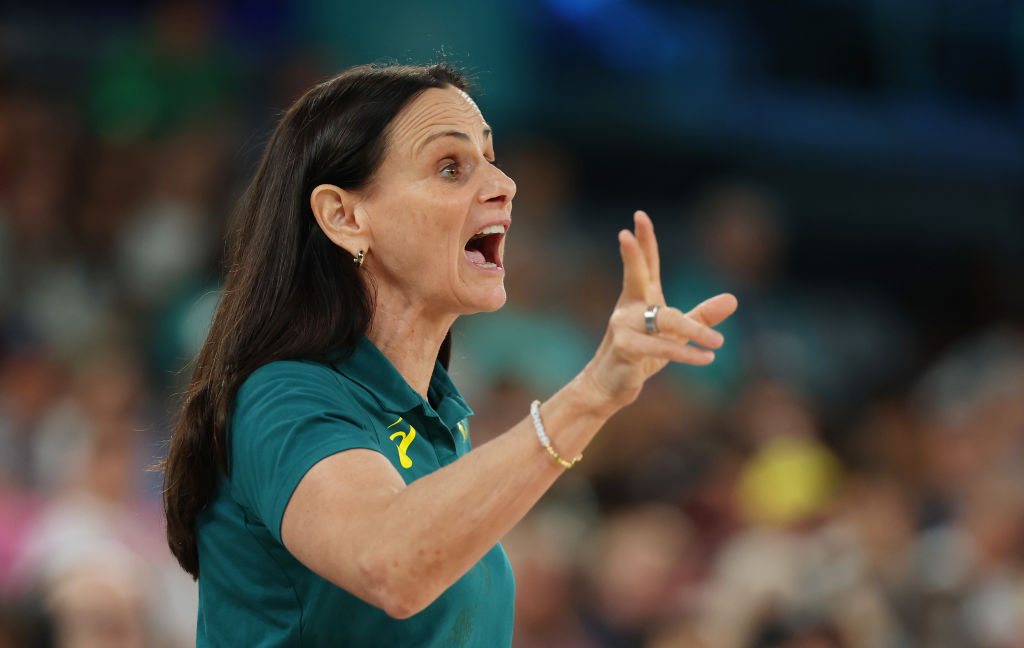
Australia’s WNBA stars and Toronto Tempo head coach Sandy Brondello faced an uncertain 2026 as the league and the players’ association were yet to reach a new collective bargaining agreement this week.
But that all changed late last night (AEDT) as the WNBA and the Women’s National Basketball Players Association agreed in principle to a new collective bargaining agreement, ending more than 100 hours of negotiations in the past eight days in New York as both sides pushed toward a new long-term agreement.
Key Financial Details of the New WNBA CBA
According to reports, the new agreement includes:
- Salary cap: Starting at $7 million per team (up from $1.5 million in 2025)
- Supermax salary: Starting at $1.4 million (previously ~$249,000)
- Average salary: Around $600,000 (previously ~$120,000)
- Minimum salary: Expected to exceed $300,000 (previously ~$66,000)
- Revenue sharing: Nearly 20% across the life of the agreement
- Future growth: Salary system tied directly to league revenue growth
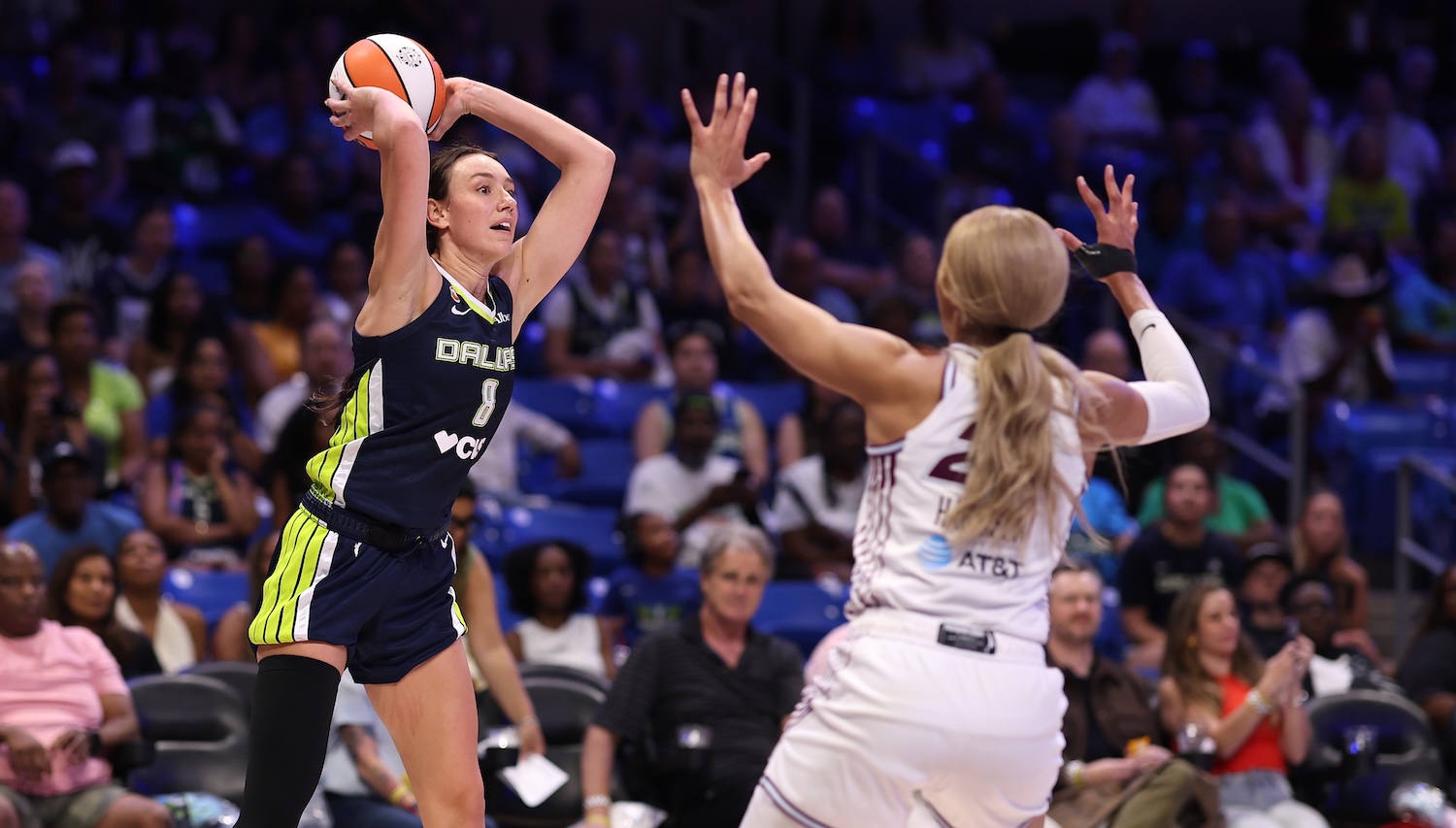
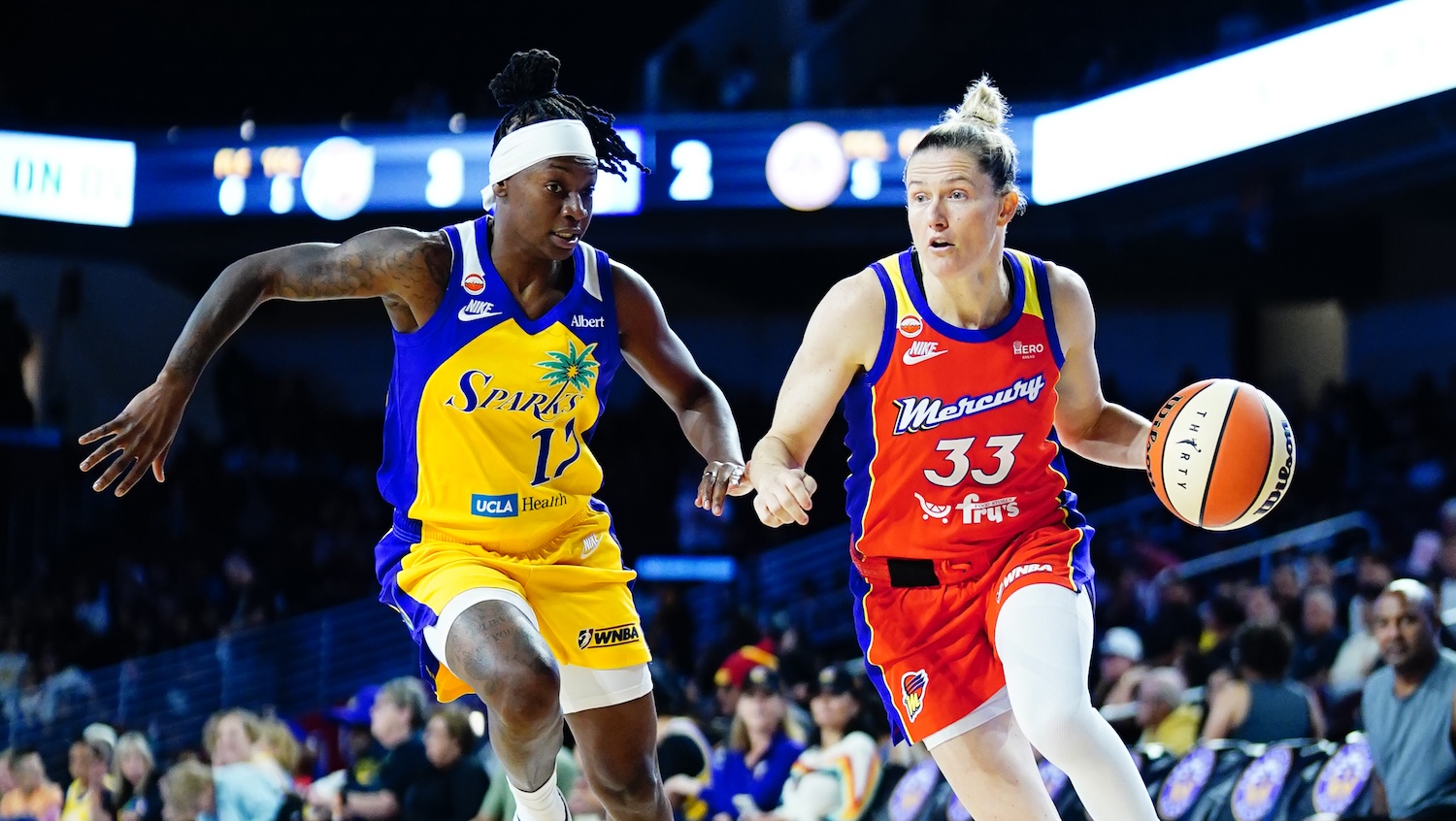
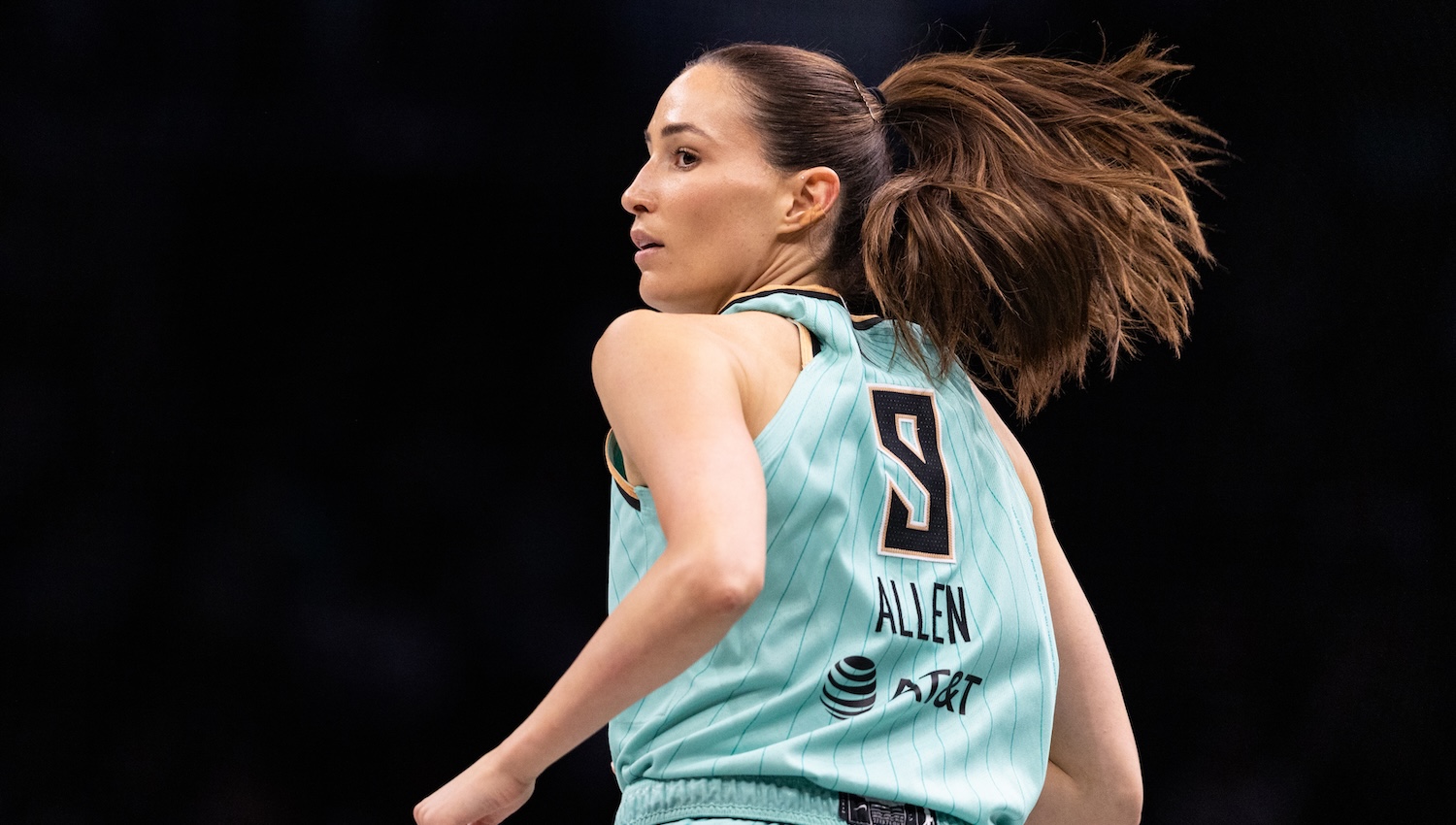
WNBA training camps for Australian Opals Ezi Magbegor, Alanna Smith, Jade Melbourne, Steph Talbot, Sami Whitcomb, along with Bec Allen, Chloe Bibby and Georgia Amoore are about a month away.
It means whether WNBL MVP Isobel Borlase, drafted by the Atlanta Dream in 2024, will get an opportunity to test herself at the next level if she decides to head to the US after a successful season for the Bendigo Spirit in 2025-26.
The negotiations have disrupted key offseason events, including the expansion draft, free agency and the college draft, with training camps set to open April 19 and the 2026 season tipping off May 8.
Housing emerged as a flashpoint after the league explored removing team-provided accommodation, a long-standing benefit that players argue is essential given the short season and frequent movement between teams.
Immediate Competitive Impact on the League
Star Market Changes
- Franchise players can now earn $1M+ annually
- Overseas commitments may reduce for top players
- Free agency becomes more aggressive and strategic
Middle Class Compression Risk
- Larger max contracts could consume significant cap space
- Teams must manage roster balance carefully
Parity Boost
- Higher caps allow weaker teams to rebuild faster
- Expansion teams become competitive sooner
- Depth talent becomes more valued
What It Means for Expansion Teams Toronto & Portland
This new cap structure arrives at the perfect time for incoming franchises.
Expansion clubs will be able to:
- Spend aggressively from Year 1
- Recruit franchise cornerstone players
- Avoid traditional multi-year rebuilds
- Create deeper rosters immediately
Toronto could leverage:
- NBA market credibility
- Corporate sponsorship strength
Portland could leverage:
- Historic WNBA fan support
- Strong basketball culture
Both clubs now enter a league with: More financial stability; More player mobility; and More competitive balance.
Timeline – Key Moments in WNBA CBA Negotiations
January 2026 – CBA expires, “status quo” begins
- The current agreement lapses without a replacement.
- Players authorise union leadership to call a strike if required.
- Revenue sharing framework identified as the biggest divide.
Early March – Proposals exchanged
- League and union swap multiple offers on salary cap and revenue models.
- Players push for ~26–30% of gross revenue.
- League proposes players receive 50–70% of net revenue.
March 10 – Deadline target emerges
- League signals urgency to finalise a term sheet to avoid offseason scheduling chaos.
- Players call for face-to-face negotiations to accelerate progress.
March 11 – Marathon bargaining session
- Nearly a 12-hour meeting ends without agreement.
- Both sides describe talks as “complex” but moving forward.
March 12–14 – Daily negotiations continue
- About 15 options were exchanged across the week.
- The focus narrows to the revenue-sharing structure and housing benefits.
March 15 – Critical push for agreement
- Commissioner Cathy Engelbert says a deal is needed by Monday to protect preseason timelines.
- Union leadership confirms progress but says “there’s still work to do.”
- Salary cap projections discussed:
- League proposal ~$6.2M cap (Year 1)
- Union earlier proposal ~$9.5M+ cap
Late March outlook
- If no deal is reached:
- Possible condensed offseason schedule
- The expansion draft, free agency, and the college draft may overlap.
- Strike risk remains, though both sides see it as undesirable.
WNBA Salary Cap – Full Breakdown, NBA Comparison and Why the Gap Exists
The WNBA’s collective bargaining negotiations have again highlighted one of the biggest structural realities in global basketball — the massive difference between WNBA and NBA salary systems.
Here is a clear, basketball-first breakdown of how the WNBA cap works, what players are pushing for, and why the financial gap to the NBA remains significant.
WNBA Salary Cap – How It Works
Current / Recent Structure (2025 season baseline)
- Team salary cap: ~$1.5 million
- Average salary: ~$120,000
- Supermax salary: ~$249,000
- Roster size: 11–12 players
This means most WNBA teams are operating with entire payrolls that equal one NBA minimum contract.
Proposed New Deal (League Offer – reported figures)
- Year 1 salary cap: ~$6.2 million
- Projected average salary: ~$570,000
- Projected max salary: ~$1.3 million
- Cap growth: Linked to revenue growth
- Revenue sharing: Players receive 70%+ of net revenue
Players’ Union Position (previous proposal)
- Year 1 salary cap: ~$9.5–10.5 million
- Revenue share: ~26–30% of gross revenue
- Goal: Faster salary escalation and stronger link to league growth
The key dispute is not just the size of the cap, but how revenue is calculated.
Gross vs Net Revenue – The Core Issue
League model (Net Revenue)
- Players are paid from revenue after expenses.
- Owners argue this protects long-term financial stability.
- Encourages investment in marketing, facilities, travel, and expansion
Union model (Gross Revenue)
- Players are paid from the total revenue before expenses.
- Players argue they should not be penalised for costs they don’t control
- Mirrors how major men’s leagues structure revenue splits
This philosophical difference is the biggest obstacle in negotiations.
NBA Salary Cap – The Benchmark
2025–26 NBA estimates
- Salary cap: ~$154 million
- Luxury tax threshold: ~$187 million
- Max salary: ~$55–60 million
- Minimum salary: ~$1.2 million
- Roster size: 15 players
The NBA cap is roughly 25–30 times larger than the WNBA’s current cap.
Even under the proposed new WNBA deal, the NBA cap would still be 15–20 times larger.
Side-by-Side Comparison
CategoryWNBA (Current)WNBA (Proposed League)NBATeam Salary Cap~$1.5M~$6.2M~$154MAvg Player Salary~$120K~$570K~$9–10MMax Salary~$249K~$1.3M~$55M+Minimum Salary~$64K~$100K+ est~$1.2MRevenue ShareLimitedNet-revenue model~50% Basketball Related Income
Why the Gap Between WNBA and NBA Is So Large
1. League Revenue Size
This is the single biggest factor.
- NBA annual revenue: ~$10–12 billion
- WNBA estimated revenue: ~$200–250 million
The NBA generates:
- Massive global media rights deals
- Multi-billion sponsorship ecosystem
- International merchandising
- Year-round relevance
The WNBA is growing quickly, but still operates on a much smaller commercial base.
2. Media Rights Value
- NBA national TV deal: ~$2.6 billion per year (current)
- New deal expected to exceed $7 billion annually
- WNBA media rights: ~$60 million per year (approx.)
Broadcast revenue is the foundation of salary cap growth.
3. Season Length and Inventory
- NBA: 82 games + playoffs
- WNBA: 40 games
More games = more ticket revenueMore broadcast contentMore sponsor exposure
Shorter seasons limit total earning potential.
4. Market Maturity and Globalisation
The NBA has had:
- 75+ years of brand building
- Global player pipeline
- Deep grassroots investment
- Strong youth participation pathways
The WNBA:
- Founded in 1997
- Only recently entered a major growth phase.
- Expansion now accelerating
4. Investment Risk and Historical Losses
Many WNBA teams have historically operated at a loss.
Owners argue:
- Rapid salary growth without revenue growth risks financial instability.
- Revenue-linked caps provide sustainability.
Players counter:
- Growth should be shared immediately.
- Underpayment historically suppressed the league’s appeal.
5. Star Economics and External Leagues
WNBA stars historically:
- Played overseas to earn seven-figure salaries
- Now have options such as Unrivaled / Athletes Unlimited
This creates:
- Pressure to increase WNBA salaries
- Risk of talent migration
Why This CBA Is Potentially Transformational
If agreed near current proposals:
- Team caps could quadruple immediately.
- Average salaries could reach half a million dollars.
- Seven-figure contracts become normal.
- Full-time domestic careers become viable.
This would be the biggest financial shift in WNBA history.
What the New WNBA Salary Cap Could Mean for Expansion Teams, Toronto & Portland
The proposed jump in the WNBA salary cap — potentially from around $1.5 million to $6–10 million per team — would dramatically reshape how expansion franchises like Toronto Tempo and Portland Fire build their first rosters and establish competitive identities.
Expansion timing rarely aligns with major financial reform. In this case, both markets could enter the league at a moment of structural change, creating opportunity — and risk.
Roster Construction Becomes a Strategic Arms Race
A larger salary cap changes expansion from talent survival mode to talent acquisition mode.
Under the old cap
- Expansion teams typically relied on:
- Bench players from contenders
- Overseas imports
- Rookie-heavy rosters
- Star signings were rare due to cap constraints.
Under a new cap structure
Toronto and Portland could:
- Target multiple All-Star-calibre players
- Offer competitive deals to players previously overseas.
- Build deeper benches immediately.
- Accelerate competitiveness within one to two seasons.
Expansion teams would no longer be forced into multi-year rebuilds.
Star Recruitment Power Increases
If max salaries rise toward $1–2 million, expansion teams suddenly become attractive destinations.
They can:
- Outbid established teams stuck with legacy contracts.
- Offer leadership roles and brand-building opportunities.
- Create narratives for “foundation player” around marquee signings.
This mirrors expansion strategies seen in:
- WNBA (Las Vegas Aces rebuild era)
- NBL (Tasmania JackJumpers success blueprint)
Toronto and Portland could realistically land:
- A franchise guard or forward
- A veteran championship leader
- One elite international star
Expansion Draft Dynamics Change
A higher cap alters the expansion draft in two key ways.
1. More protected players
Contenders may protect stars and key rotation players.
2. More movement after the draft
Expansion teams could:
- Flip drafted players in trades.
- Sign high-level free agents immediately.
- Use cap space to absorb contracts.
This creates a more fluid roster-building ecosystem.
Market Identity Matters More Than Ever
Both cities bring strong basketball foundations.
🇨🇦 Toronto Tempo
- NBA Raptors market credibility
- Large multicultural fan base
- Strong corporate sponsorship ecosystem
- Potential pipeline of Canadian national team talent
Toronto could quickly become a free agency destination franchise
🇺🇸 Portland Fire
- Historic WNBA fan support
- Proven women’s sports attendance success
- Basketball-first culture
- Strong collegiate basketball footprint
Portland could become a player development and defensive identity team
Financial Risk vs Competitive Advantage
Higher caps also increase pressure.
Expansion teams must:
- Spend wisely early
- Avoid overpaying mid-tier players.
- Balance star contracts with roster depth
If mismanaged:
- Cap flexibility disappears quickly.
- Competitive windows shrink
If executed well:
- Expansion teams can contend far sooner than historical norms would suggest.
Timing Advantage – Entering During League Growth
Toronto and Portland are joining during:
- Rising media visibility
- Increased sponsorship investment
- Growing player leverage
- Potentially transformational CBA terms
This gives both clubs:
- Stronger launch narratives
- Better commercial positioning
- More competitive legitimacy from Year 1
🇦🇺 Australian Player Opportunity
Expansion historically creates roster openings.
For Australians, this could mean:
- Additional WNBA contracts available
- Better fit opportunities in new systems
- Greater chances for rookies and role players
- Potential leadership roles for experienced Opals
Expansion teams often prioritise:
- High-IQ players
- Versatility
- International experience
Traits commonly associated with Australian pathways.
Outlook
If the new CBA significantly lifts the salary cap:
- Toronto and Portland could be playoff competitive within two seasons.
- Free agency battles will intensify.
- Established contenders may lose depth.
- League parity could increase rapidly.
Expansion would shift from “long rebuild” to “accelerated contention.”