
25
Feb
In-Depth Analysis
Inside the European crisis Adam Silver is courting

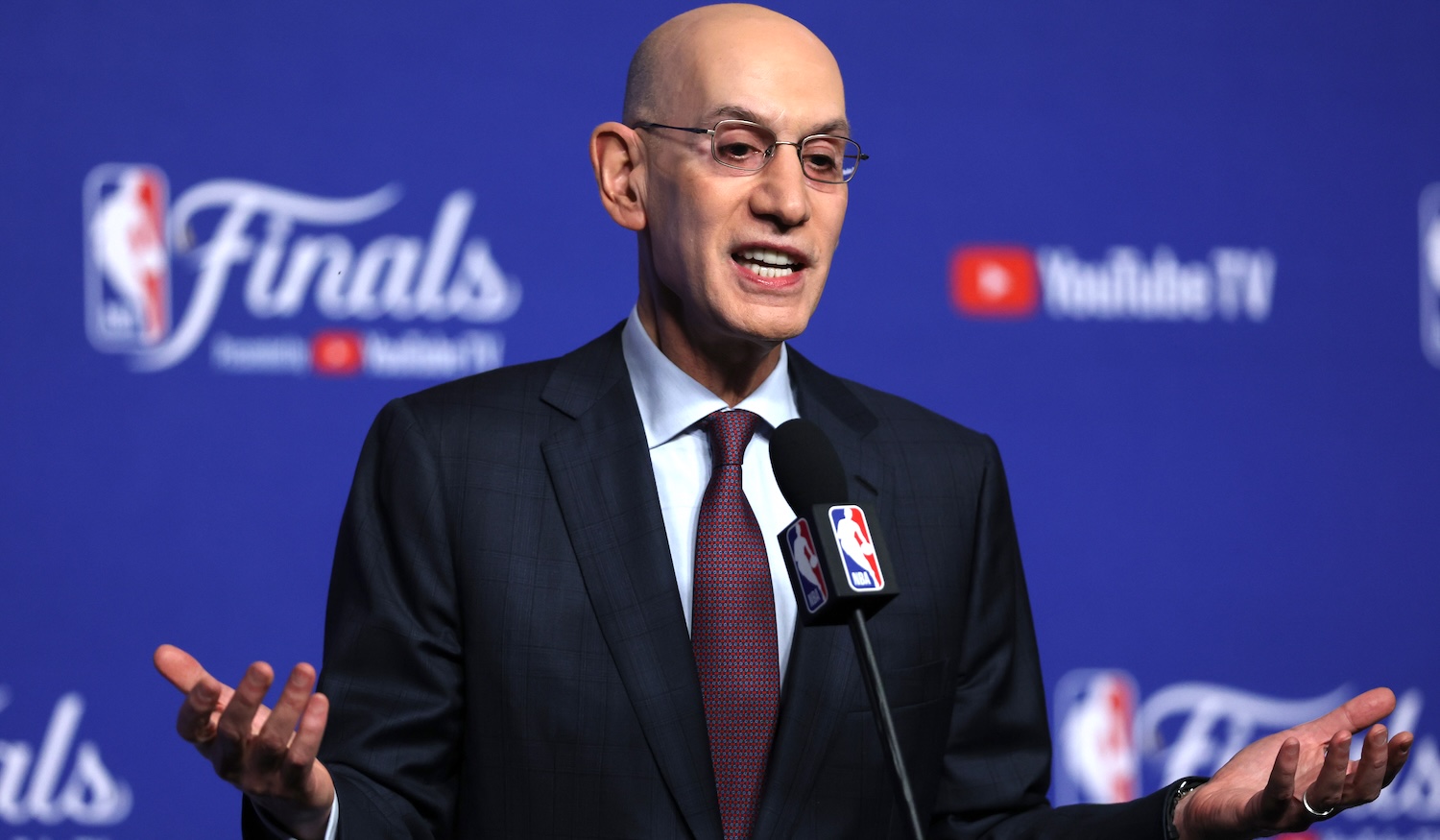
NBA Commissioner Adam Silver. Photo: Matthew Stockman/Getty Images
Featured
NBA Europe isn’t just expansion. It’s a structural gamble across tax, politics and sovereignty.
- Why we are the ULTIMATE basketball destination
- Imports, Pathways, Power: NBL vs NBA Europe
- EuroLeague legend scoffs at NBA's 'World Champions'
The National Basketball Association’s expansion into Europe is bigger than basketball, much bigger than basketball.
But right now, basketball is the core focus of NBA Europe's launch in late 2027.
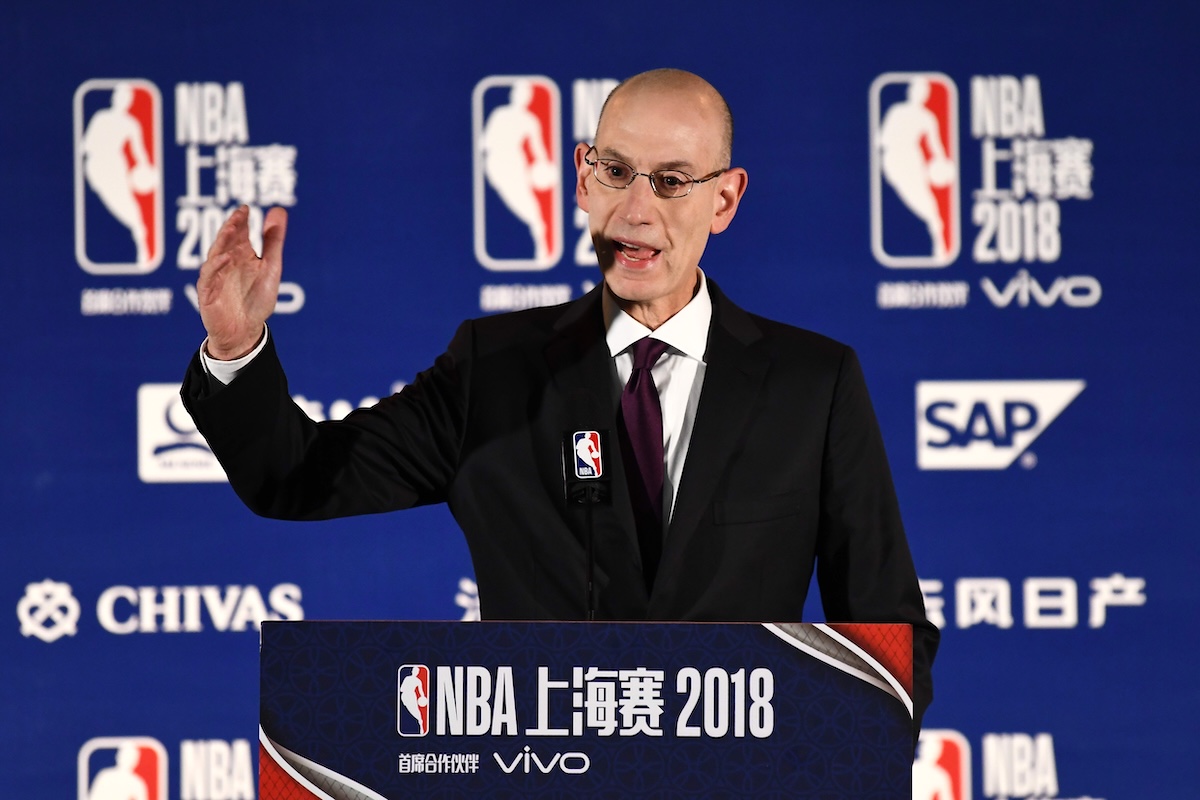
“We’re the fastest-growing sport right now in this country,” NBA Commissioner Adam Silver said during a visit to Berlin, Germany.
“There’s, in essence, a golden era, I would say, of the sport. … The 1936 Olympics here in Berlin, that’s when basketball was first introduced into the Olympic movement.
“In fact, James Naismith came here to Berlin for those games and purportedly tossed up the ball for the opening tip of the Games. So, there is that long history here.”
“I would just say we continue to be enormously excited about it.”

There is a golden era on the floor, but NBA Europe is far more complex and challenge-filled than one of the world’s most powerful brands based primarily in the United States.
“We're thinking of London and Manchester for the United Kingdom, Paris and Lyon for France, Madrid and Barcelona for Spain, Milan and Rome for Italy, Berlin and Munich for Germany, plus one each in Athens and Istanbul, to also strike a balance with values like history and tradition,” NBA Managing Director for Europe and the Middle East George Aivazoglou said.
“(It will be) a semi-open formula of 16 teams, 12 permanent and four based on sporting merit: one could be the winner of the Basketball Champions League organised by FIBA, which is our partner, and the other three spots could come from the winners of the national leagues.”
But it’s impossible to start a conversation about NBA Europe without first talking about China.
China has been the NBA’s single largest international growth market for two decades.
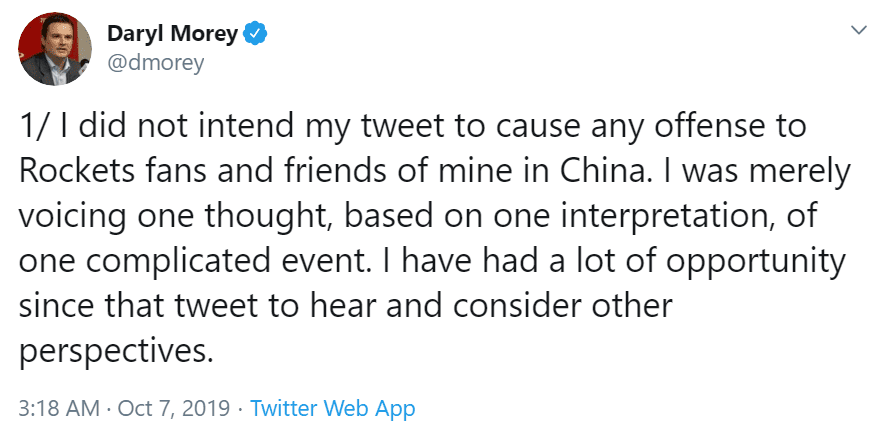
Then 2019 happened. Then-Houston Rockets GM Daryl Morey tweeted, "Fight for Freedom. Stand with Hong Kong" Chinese state broadcasters suspended NBA games. Sponsors paused partnerships. The league lost hundreds of millions in exposure and commercial leverage overnight.

Three days later, Morley apologised and clarified as part of damage control.
The NBA doesn’t have “skin in the game” in China (a team), but it exposes that globalisation comes with challenges that the franchised model in the United States simply doesn’t have.
The structural problem:
The NBA’s China business is:
- Broadcast-dependent
- Politically sensitive
- State-influenced
- Vulnerable to diplomatic shifts
The NBA does not control its distribution pipeline in China. It operates inside a system where:
- Speech can trigger sanctions.
- Commercial access can disappear instantly.
- Government sentiment can override contract logic.
The league eventually restored parts of its relationship with Chinese broadcasters, but the vulnerability still remains.
The strategic takeaway:
China exposed a weakness:
The NBA’s largest international market is politically volatile and structurally outside its control.
That’s not a basketball problem. That’s a sovereignty problem.
NBA Europe offers something different:
- Democratically governed markets
- Strong legal frameworks
- Predictable commercial regulation
- Multiple countries instead of one point of failure
But NBA Europe diversifies geopolitical risk.
The Challenge of Operating Across Europe
This is where NBA Europe becomes far more complicated than people realise.
Europe is not one market.
It is:
- 27 EU member states
- Plus non-EU states (UK, Turkey, etc.)
- Multiple tax regimes
- Multiple labour systems
- Multiple political ideologies
And in some cases, conflicting regulatory philosophies.
Political Ideology Risk
Europe has:
- Strong social democracies (Scandinavia)
- Corporate capitalist hubs (UK)
- State-interventionist economies (France)
- Populist-nationalist governments (Hungary, Italy in cycles)
- EU-level regulatory oversight
The NBA’s franchise model is profit-maximising and investor-led. But European political discourse often frames sport as:
- A public good
- A cultural asset
- A community institution
- A social identity structure
This is why Spanish parliamentary groups have already raised concerns about “value extraction” and governance shifting away from Europe.
That tension isn’t symbolic. It affects:
- Taxation
- Arena subsidies
- Broadcasting rules
- Competition law
- Labour protections
Tax Complexity
Consider:
- Turkey taxes players at ~40%
- Greece at ~20%
- Spain is more progressive.
- Italy offers expat incentives.
An NBA Europe salary cap would have wildly different net outcomes across borders.
Unless harmonised, you create:
- Competitive imbalance
- Contract distortion
- Legal arbitrage
North America doesn’t have that problem. But what if NBA Europe teams are incorporated in the United States?
Taxation Is Based on Where Income Is Earned — Not Where the Team Is Incorporated
Most countries tax athletes under a principle known as:
“Source-based taxation.”
If a player:
- Lives in France
- Trains in France
- Plays home games in France
France will tax that income — regardless of whether the employer is incorporated in New York, Delaware, or London.
The legal entity structure does not override local tax jurisdiction.
Professional athletes are taxed where they perform services.
The “Jock Tax” Principle Applies Globally
In the United States, NBA players already pay state taxes based on where games are played (California games are taxed in California, Texas games are taxed in Texas, etc.).
Europe operates similarly.
If NBA Europe teams play games in:
- Spain
- Germany
- Italy
- Greece
Players would owe income tax in those countries for the portion of salary attributable to services performed there.
In practice, this often means:
- Apportioned taxation by game days
- Residency-based taxation for players living full-time in a country
- Social security contributions
You cannot avoid this via U.S. incorporation.
Residency Triggers Even More Exposure
If a player resides more than ~183 days in a European country (common threshold), they typically become:
- A tax resident
- Subject to global income taxation in that country
So if a player signs with “NBA Europe Paris” and lives in Paris: They are paying French income tax on their salary.
Full stop.
What Incorporation in the US Would Change
It could affect:
A) League-Level Revenue Allocation
- Media rights flowing through U.S. entities
- Central league revenue pooling
- Ownership tax treatment
B) CBA Structure
If NBA Europe operates under an NBA-governed CBA, player contracts could technically be structured under U.S. labour law — but taxation remains local.
C) Currency Management
Contracts might be denominated in USD instead of euros.
But the currency denomination ≠ tax jurisdiction.
Could There Be Tax Engineering?
Yes — but limited.
Possible mechanisms:
- Gross-up clauses to equalise after-tax pay
- Country-specific contract structures
- Expat tax incentive
- Offshore image-rights structuring (common in European football)
However: EU anti-avoidance frameworks are strong; Athlete taxation is heavily scrutinised; and Public visibility increases the risk of aggressive tax strategies.
The NBA would be operating under European transparency rules — not Caribbean flexibility.
The Real Complication
If NBA Europe spans:
- France (45%+ top rate)
- Germany (~45% combined)
- Spain (progressive up to 47%)
- Italy (varies, expat incentives)
- Turkey (40%)
- UK (45%)
You create a competitive imbalance unless:
- Salaries are equalised net of tax.
- The league centralises tax equalisation.
- Or cap numbers are adjusted per jurisdiction.
North America does not face this fragmentation. Europe absolutely does. Even if NBA Europe teams are incorporated in the U.S.:
Players will still pay local income tax in the countries where they:
- Live
- Train
- Play
The only way around that would be:
- Playing games outside those jurisdictions
- Or governments changing tax law
Neither is realistic.
Show Me the Money
Today, the EuroLeague ceiling is about €3.7M NET.
If NBA Europe launches in 2027 and matches that number, nothing changes.
If it materially exceeds it — and backs it with:
- NBA branding
- Arena standards
- Media scale
- Crossover tournament potential
Then the global hierarchy shifts. Not because of logos. Because of leverage and in global basketball, leverage starts with payroll.
At today’s rate (~1.1778), €3.7M converts to about USD $4.36M.
For the 2025–26 NBA season, the veteran minimum salary (for players with 10+ years of service) is approximately: USD $3.3 million.
That means:
- A 10-year NBA veteran on a minimum deal earns nearly as much as Europe’s top star.
- A mid-rotation NBA player often makes significantly more than EuroLeague MVP-level talent.
- For NBA Europe to seriously disrupt talent flow from the EuroLeague, it likely needs to exceed the $4–6M USD range annually at the top. But it then opens the door for NBA vets to potentially sign for more money in Europe.
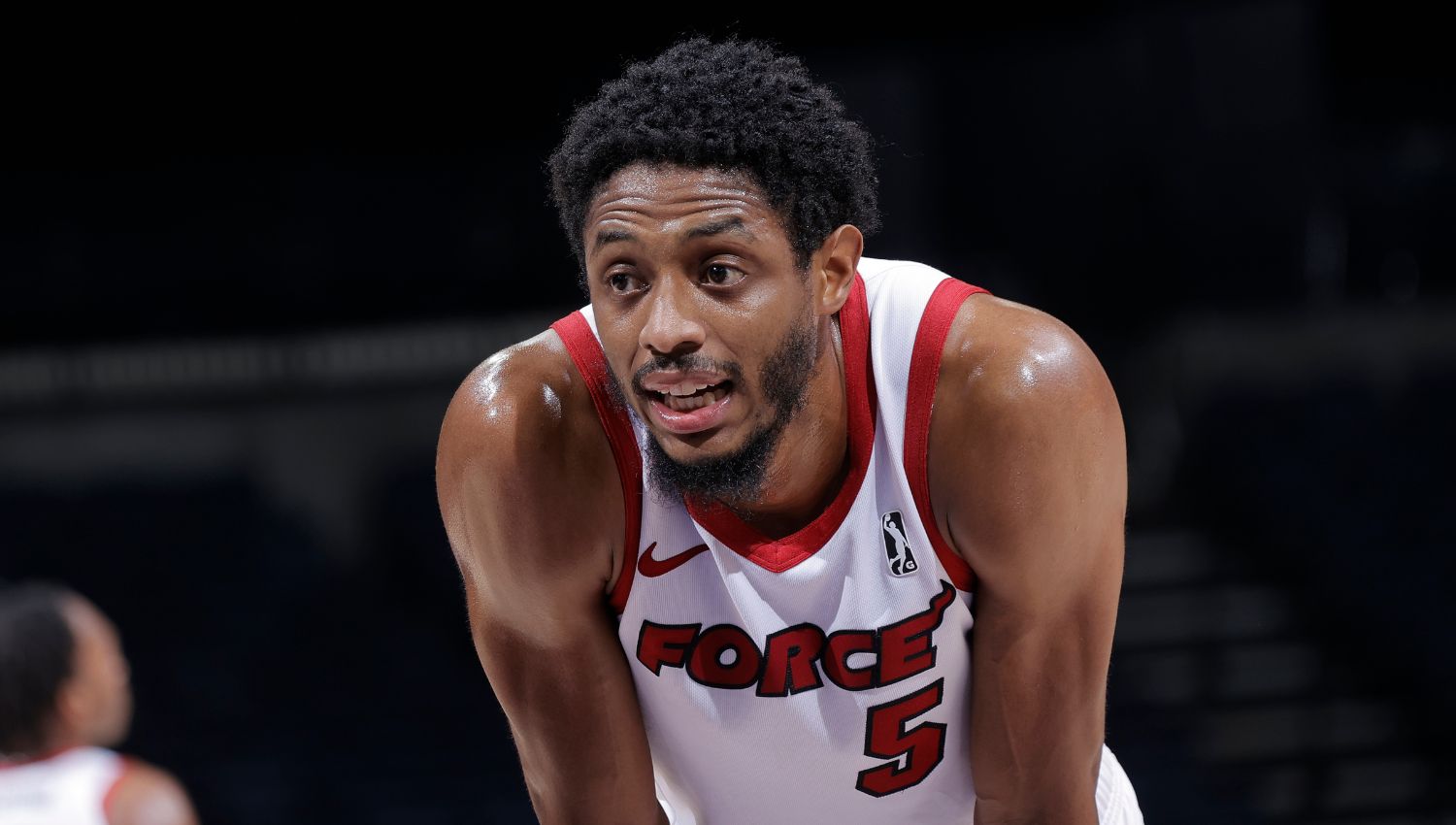
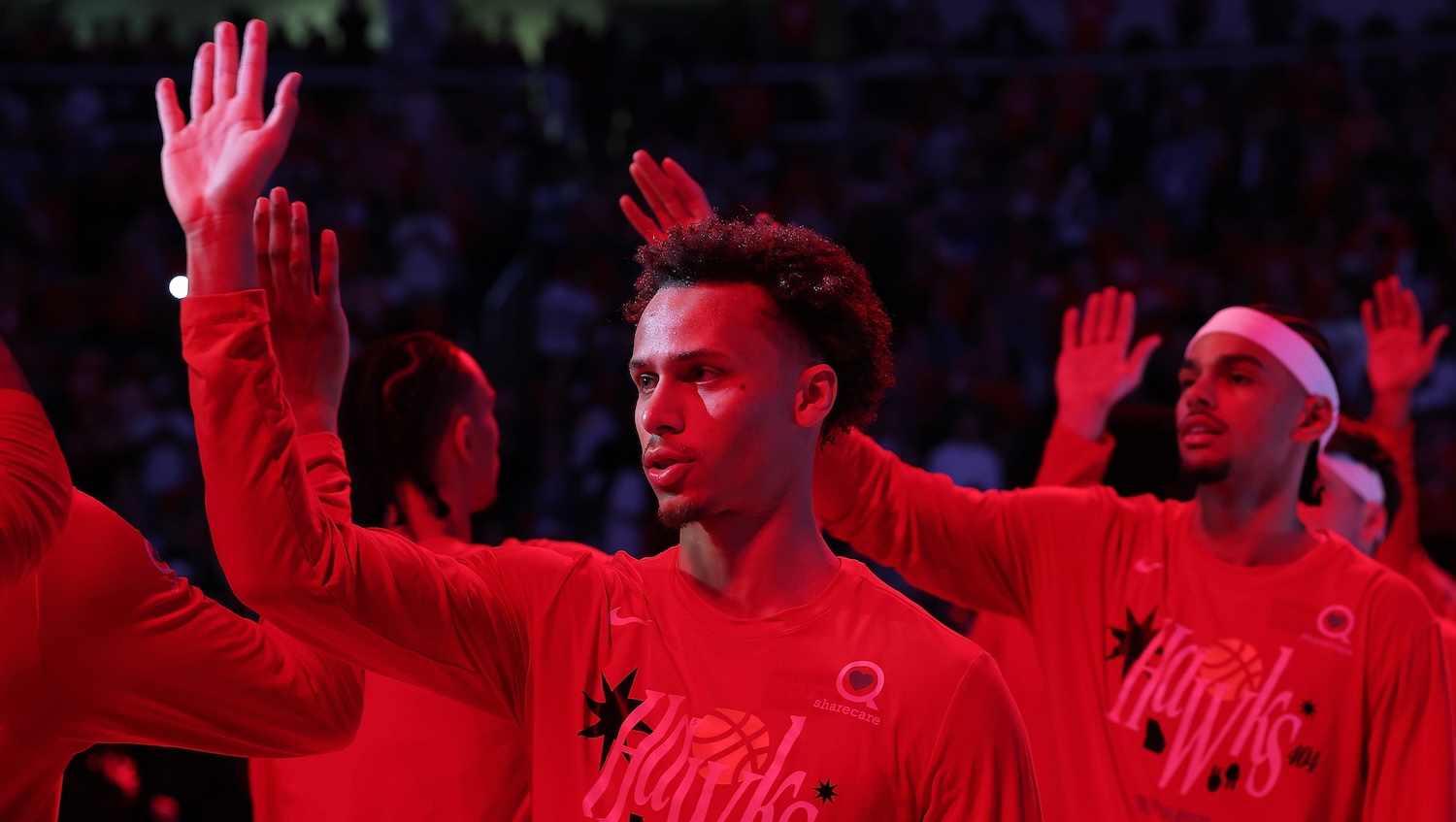
“I would (consider playing in NBA Europe),” New York Knicks star Karl Anthony-Towns said.
“I would. I really love international basketball, love playing FIBA basketball as well. Obviously, not better than playing in the NBA. But it would be pretty cool to even see that get off the ground and actually operate.
“But, possibly, one day to be part of that would be pretty cool.”
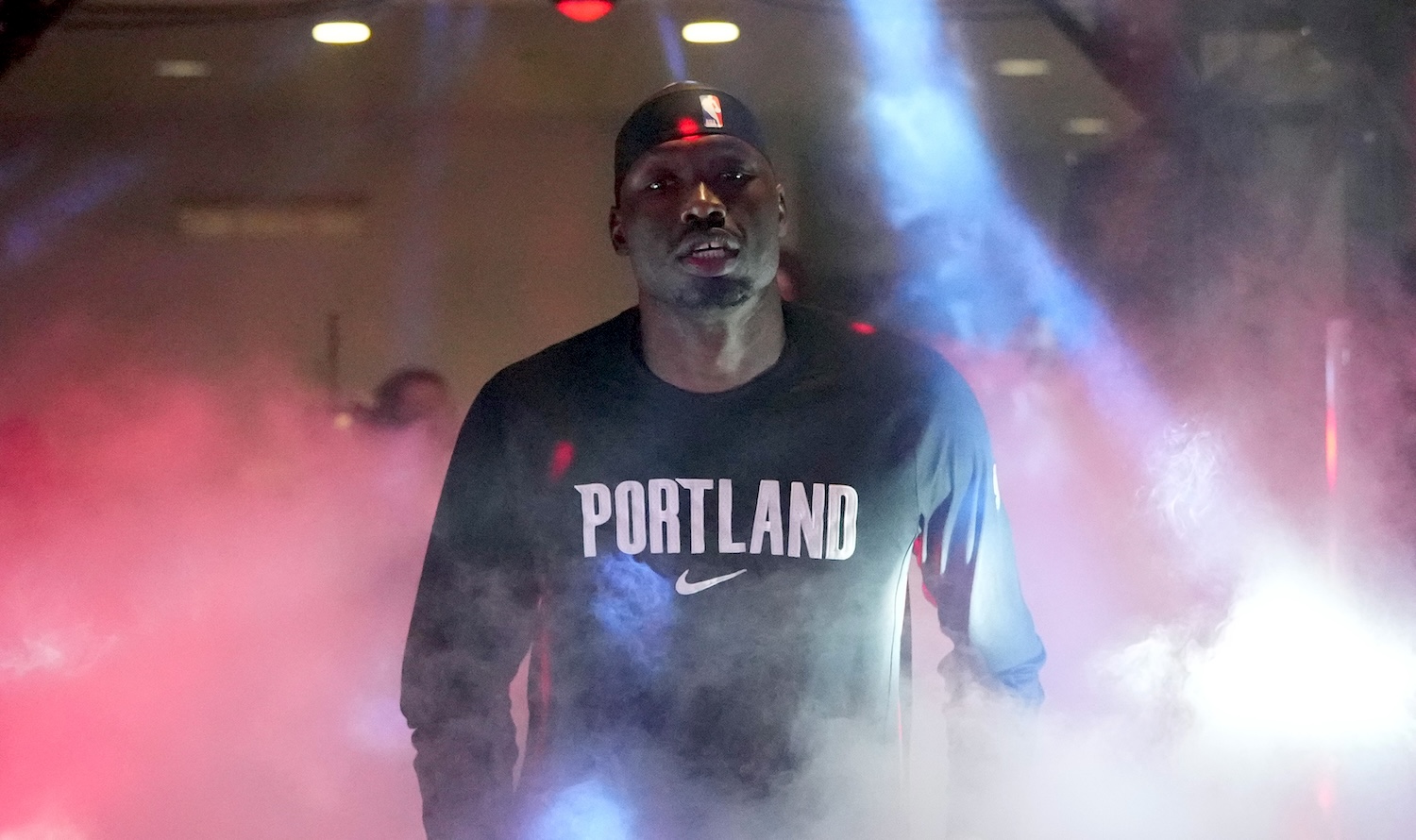
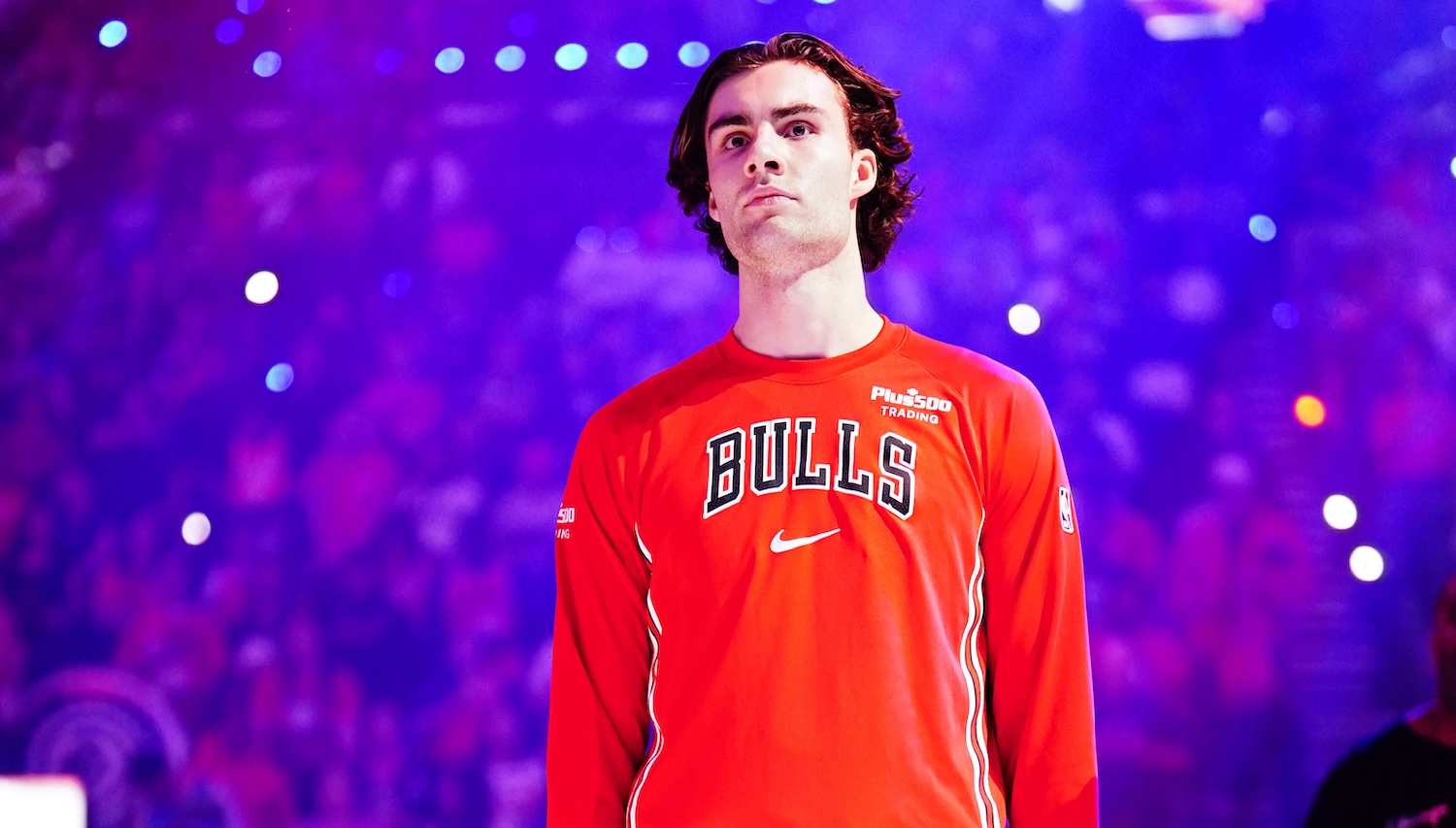
Milwaukee Bucks NBA champion Bobby Portis will be an unrestricted free agent in 2028-29, aged 35. He’s in the middle of his three-year USD $43.5M, his fourth NBA contract.
“I don’t know, man,” Portis said about playing in NBA Europe.
“I like the states. I like to live here. .. it would be tough for me to go over there.
“Intriguing, though — super intriguing.”
Why This Matters Strategically
The NBA’s competitive advantage in North America is:
- One salary cap
- One CBA
- No cross-border tax distortion
NBA Europe introduces:
- Multi-country tax variance
- Currency risk
- Political exposure
- EU competition oversight
It’s not impossible.
But it’s structurally harder, and that complexity is one of the biggest under-discussed risks in the entire NBA Europe model.
The next risk runs far deeper. The NBA will no longer be able to keep controversy at arm's length. It will own businesses in each of those countries. They will now have “skin in the game”, and their public position will absolutely have an impact.
🇬🇧 United Kingdom (London, Manchester)
Political Structure
- Parliamentary constitutional monarchy
- Liberal democratic system
- Strong rule-of-law tradition
- Post-Brexit regulatory autonomy from the EU
Economic Philosophy
- Market-driven economy
- Historically pro-business, especially in London
- Strong private investment culture
- Lower corporate tax environment relative to parts of Europe
Cultural & Religious Context
- Historically Christian (Anglican roots)
- Highly secular in modern practice
- Multicultural, religiously diverse society
NBA Relevance
- Likely the most commercially aligned with the NBA’s franchise model.
- Strong private capital markets
- Limited state interference in sport operations
🇫🇷 France (Paris, Lyon)
Political Structure
- Semi-presidential republic
- Strong central government
- Active state role in cultural policy
Economic Philosophy
- Mixed economy
- Historically state-interventionist tendencies
- Strong labour protections
- High social welfare framework
Cultural & Religious Context
- Constitutionally secular (“laïcité”)
- Catholic historical roots
- Strong separation between religion and state
NBA Relevance
- Arena subsidies and public funding are often tied to cultural policy.
- Labour law and taxation are complex.
- Political sensitivity to “value extraction” from French institutions
France is culturally protective of domestic structures.
🇪🇸 Spain (Madrid, Barcelona)
Political Structure
- Parliamentary constitutional monarchy
- Decentralised autonomous regions (Catalonia and the Basque Country)
Economic Philosophy
- Mixed economy
- Significant youth unemployment challenges historically.
- Strong regional governance layers
Cultural & Religious Context
- Historically Catholic
- Increasingly secular in urban centres
- Strong regional identity politics
NBA Relevance
- Sport is deeply embedded in local identity.
- Regional political dynamics (especially Catalonia) add complexity.
- Strong existing basketball tradition (EuroLeague powerhouse)
🇩🇪 Germany (Berlin, Munich)
Political Structure
- Federal parliamentary republic
- Highly decentralised federal states
- Strong constitutional court system
Economic Philosophy
- “Social market economy”
- Strong labour representation (co-determination laws)
- Corporate governance is highly structured
Cultural & Religious Context
- Historically, Protestant and Catholic regions
- Highly secularised modern society
- Strong civic institutional culture
NBA Relevance
- Highly stable and predictable legal system
- Strong union frameworks
- Structured compliance culture
- The government is cautious about monopolistic market behaviour
Germany is politically stable but regulatory-heavy.
🇮🇹 Italy (Rome, Milan)
Political Structure
- Parliamentary republic
- Coalition-based governance (frequent changes historically)
Economic Philosophy
- Mixed economy
- Regional economic disparities (North vs South)
- Expat tax incentives available
Cultural & Religious Context
- Historically Catholic (Vatican influence historically significant)
- Increasing secularisation
- Strong regional identities
NBA Relevance
- Tax incentive structures could benefit player recruitment.
- Political volatility is less structural than bureaucratic complexity
- Strong cultural connection to club-based sport
🇬🇷 Greece (Athens)
Political Structure
- Parliamentary republic
- EU member
- Recovering from past sovereign debt crisis
Economic Philosophy
- State-heavy structure historically
- Post-crisis fiscal oversight reforms
- High taxation relative to income levels
Cultural & Religious Context
- Greek Orthodox Christianity is deeply embedded in Greek culture.
- Religion has historically been linked to national identity.
- Strong sporting club rivalries are tied to identity.
NBA Relevance
- Intense fan culture
- Political sensitivity to external commercial dominance
- Economic scale smaller than Western European markets
🇹🇷 Turkey (Istanbul)
Political Structure
- Presidential republic
- Increasingly centralised executive authority
- Non-EU member
Economic Philosophy
- Mixed economy
- Currency volatility (Turkish Lira)
- Government influence over major institutions
Cultural & Religious Context
- A majority Muslim population
- Secular state constitutionally, but religion is influential culturally
- Strong nationalist sentiment
NBA Relevance
- Currency instability risk
- Political sensitivity risk
- Strong basketball infrastructure (Efes, Fenerbahçe)
Turkey exhibits greater macroeconomic and political volatility than EU states.
Cross-Market Implications for NBA Europe
1. Europe Is Not Ideologically Uniform
You are dealing with:
- Market-driven Anglo capitalism (UK)
- Social democracy (Germany)
- State-sensitive republicanism (France)
- Identity-heavy club culture (Spain, Greece)
- Executive-centralised governance (Turkey)
That means regulatory attitudes toward:
- Closed leagues
- Franchise permanence
- Revenue extraction
- Salary caps
- Foreign ownership
…will not be identical.
2. Religion Is Not the Core Issue
Unlike some global markets, religion itself is unlikely to directly impact NBA Europe operations.
Europe is largely secular in governance practice.
The larger variable is:
- National identity
- Economic policy philosophy
- Labour protection frameworks
3. The Real Variable Is Institutional Culture
North America offers:
- Centralised governance
- Franchise acceptance
- Private capital dominance
Europe offers:
- Multi-layered governance
- Cultural club heritage
- Political oversight of sport
NBA Europe is not just expanding geography.
It is entering six to seven different regulatory cultures simultaneously.
The Bottom Line
China presented the NBA with authoritarian unpredictability. Europe presents something different:
Democratic complexity.
- Multiple tax regimes
- Multiple political ideologies
- Multiple regulatory philosophies
- Strong local sporting identity
If NBA Europe succeeds, it will not be because of basketball.
It will be because the league successfully navigates political diversity without triggering national resistance.
That is a governance challenge, not a talent challenge.
If NBA Europe launches permanent franchises in:
- France
- Germany
- Spain
- Italy
- Greece
- Turkey
- UK
The league is no longer a guest. It becomes:
- An employer
- A taxpayer
- A landlord
- A partner to municipal governments
- A recipient of arena subsidies
- A regulated domestic entity
That changes everything.
Speech Becomes Regulatory Risk
Today: If a player comments on French pension reform, Spanish separatism, Turkish elections, or UK immigration policy, it’s commentary from an American-based league.
Tomorrow: If that player plays for NBA Europe Paris, Berlin, or Istanbul, that comment becomes domestic political engagement.
Local governments could respond through:
- Arena access
- Tax audits
- Regulatory scrutiny
- Sponsorship pressure
- Media licensing friction
The NBA would operate within sovereign political systems.
Values Positioning Becomes Harder
The NBA has cultivated an image as:
- Progressive
- Player-empowering
- Socially aware
But Europe contains:
- Governments with different stances on immigration
- Governments with different LGBTQ policies
- Governments with different press freedom standards
- Governments with different religious-national identity politics
The NBA would need to decide:
Does it maintain U.S.-centric value positioning?Or does it localise messaging per market?
Uniform values become complicated across multiple democracies.
Public Funding Equals Public Accountability
Many European arenas rely on public funding.
If NBA Europe teams receive:
- Municipal subsidies
- Infrastructure grants
- Tax incentives
Local politicians gain leverage.
That leverage can be used during:
- Cultural disputes
- Political controversy
- Labour disagreements
- National elections
Once public money enters the system, public accountability follows.
EU Competition Oversight
The European Union enforces:
- Antitrust law
- Market competition rules
- State aid restrictions
A closed-league franchise model with permanent licences could be scrutinised.
If the NBA is perceived as:
- Displacing domestic competition
- Extracting revenue out of the EU
- Restricting access to elite competition
Regulatory intervention becomes possible.
The NBA has never faced EU-level oversight before.
Political Neutrality Becomes Harder to Maintain
The NBA currently balances:
- Player expression
- Commercial partnerships
- Global diplomacy
But once it has permanent teams in Europe:
Every political controversy becomes local.
Example scenarios:
- French domestic unrest
- German labour disputes
- Spanish regional independence tension
- Turkish election cycles
The NBA cannot simply “wait it out” as it did in China.
It would have fixed payrolls, leases and contractual obligations in those countries.
The Core Shift
Historically, the NBA has: Exported productImported revenueManaged controversy at arm’s length
NBA Europe would mean:
- Embedded presenceLocal exposurePermanent political accountability
- That is not just a commercial expansion.
- It is a structural transformation of the league’s geopolitical footprint.
The Strategic Tradeoff
China taught the NBA:
Reliance on a single external sovereign market is risky.
Europe offers diversification.
But diversification introduces:
- Multi-sovereign political exposure
- Regulatory fragmentation
- Cultural variance
- Legal complexity
The NBA has been a North American league with global reach.
NBA Europe makes it a multinational league with domestic obligations.
That is a completely different risk profile.
And that’s the part that very few are modelling properly.
“(It’s) not ideological, but institutional,” Director of Marketing and Communications, Euroleague Basketball, Alex Ferrer said.
“This isn’t about opposing anyone. It’s about ensuring that the future of European basketball remains aligned with the values that have made the sport strong on our continent, and about protecting its social and community dimension.”
“European basketball was not born in financial statements, but in neighbourhoods and municipal sports halls.”
An early warning sign could already be NBA deputy commissioner Mark Tatum's view of the EuroLeague.
“If you're a fan, it's hard to follow professional basketball in Europe. It's easy to follow the NBA, but it's hard to follow European basketball,” Tatum said.
“Top tier at EuroLeague is missing some of the biggest commercial markets in Europe. There's no top-tier team in the UK at all, and the UK is the biggest market in Europe. There's no top-tier basketball team there: in London, in Manchester.”
“There's no permanent top-tier team in the top league there in Paris, in Berlin, in Rome,”
“So, they're missing the biggest commercial markets, which is why they are not able to commercialise basketball.
“Our idea is to create this league – call it 12 to 16 teams – with the biggest countries having permanent franchises. Call it the UK, Spain, Germany, Italy, or France.
“Two teams in each one of those markets that we know with certainty will have franchises there, and then we'll open it up to the rest of the ecosystem.”
Silver, meanwhile, appears to understand the significance and size of the challenge.
“We’ve been meeting with clubs that are interested in participating in our league,” Silver said.
“We’ve been in discussions with other potential stakeholders, including media companies that would like to cover it, potential media partners and traditional sponsors who want to work with us on the league.
“We’re looking at the opportunity to grow the arena infrastructure, not just here in Germany but throughout the continent. It’s something that we’re enormously excited about.
“The funding would potentially come from, at least initially, the member clubs of the league.
“Similar to any startup venture, the participants would be the investors, and over time would hope to seek a return. … I think if we were to successfully launch this new league, it will take a while, I think, before it is a viable commercial enterprise.
“All the participants recognise that this is not for those who have a short-term perspective.
“What we are telling interested parties is that you need to have a very long-term perspective.”
“It’s critically important that we respect the traditions of European basketball. … We’re trying to find the best combination of the old and new, tradition and innovation.
“I’m sure you can see the bags under my eyes, but we love hard work at the NBA.
“To me, honestly, the real heavy lift would be creating a new league in Europe (and) as I said, that’s an enormous undertaking, which is why we’ve been moving one step at a time and being very careful and cautious and making sure we’re covering all our bases.”
NBA Europe has the potential to be a home run for the NBA, but there are more than three bases for Silver to cover, and he’s at the plate swinging for the fences.




.jpg)

.jpg)



.png)