12
May
In-depth Analysis
Jackson, WNBL face defining calendar dilemma

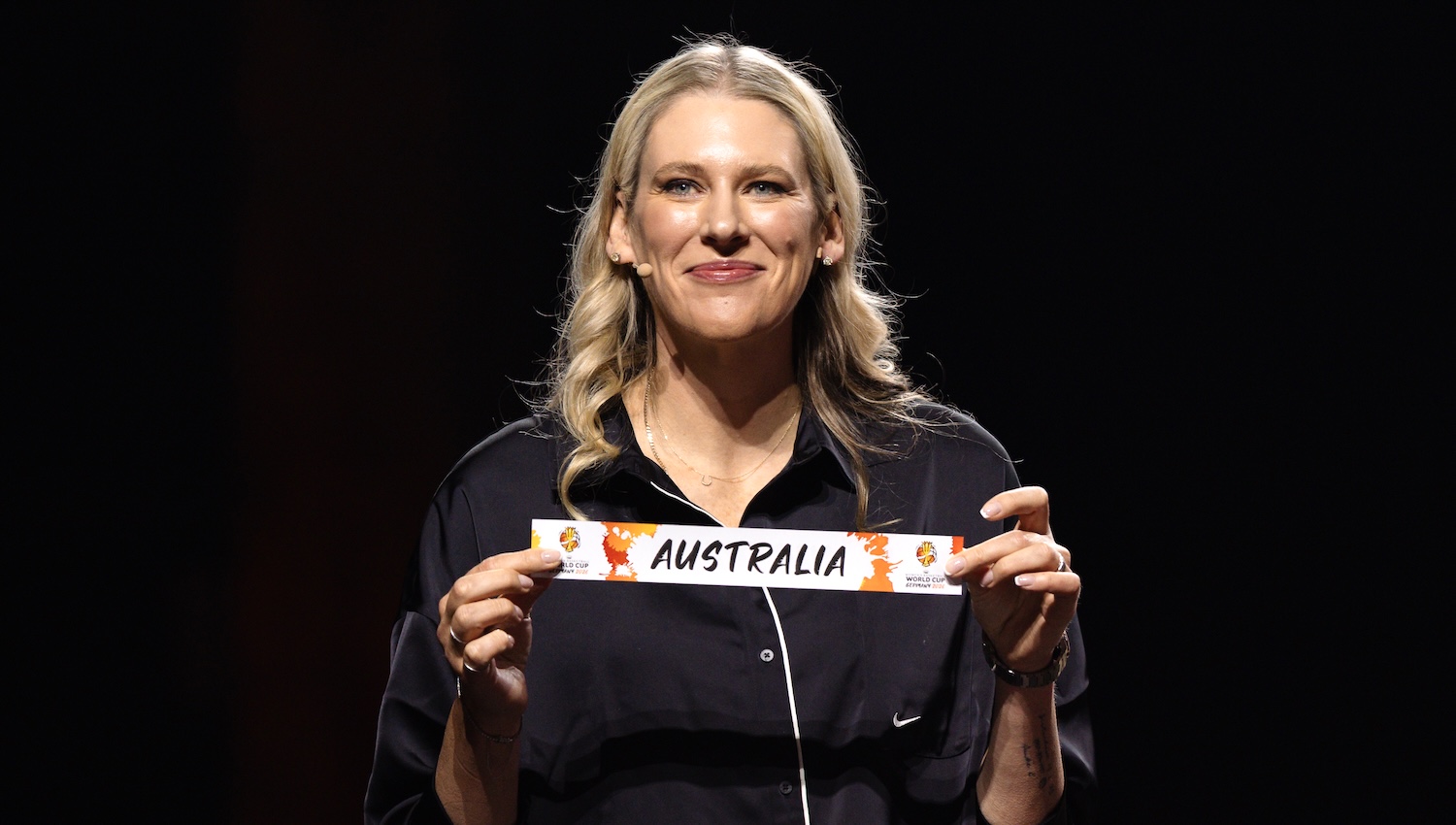
Lauren Jackson reveals Australia’s path at the FIBA Women’s Basketball World Cup 2026 Draw in Berlin as the Opals legend shapes the future of women’s basketball on and off the court. Photo: Milad Payami/FIBA via Getty Images
Lauren Jackson faces defining WNBL call as women’s basketball calendar becomes overcrowded.
- WNBL reportedly weighing move to winter season
- Lauren Jackson backs Project B’s role in global growth
- Women’s basketball calendar now crowded year-round
Australia’s greatest player of all time, Lauren Jackson, has emerged as one of the most influential powerbrokers in global women’s basketball.
Jackson, 45, won virtually everything in her storied playing career – except an Olympic Games gold medal – and is now the WNBL’s Chief Strategy and Basketball Partnerships Officer at the same time an advisor to 2027 start-up league Project B.
“I live and breathe basketball, and I’m excited to give back to the WNBL that has shaped my life and identifies and accelerates talent,” Jackson said.
“We have the best talent in the world, and being a part of developing this talent and taking this league to the next level is something I’m incredibly proud of.
“I’ve built my professional off-court career through connecting people and creating opportunities for partners in our ecosystem. I’m looking forward to drawing on my experience and contributing to the strategic growth of the WNBL.”
Jackson spoke exclusively to basketball.com.au after Australian Opals centre Alanna Smith signed with Project B in late April after inking a record three-year USD $1.25M per season deal with the Dallas Wings in the WNBA.
“Project B is a really positive addition to the global landscape, and it builds on the strength of existing domestic leagues around the world,” Jackson said.
“Those leagues are the foundation of the game. They develop talent, create identity, and connect deeply with fans.
“Project B gives players more choice, more support, and another high-quality environment to grow, while staying rooted in those systems.
“Being involved across competitions gives them perspective and the ability to help connect and strengthen the overall ecosystem.
“When players have a voice, it helps ensure alignment, supports sustainable growth, and reinforces the importance of domestic leagues as the foundation of the game.
“That is how you build something that benefits not just today’s athletes, but future generations as well.”
Money is pouring into women’s basketball at an unprecedented rate: the WNBA’s new collective bargaining agreement has salaries of more than a million dollars (USD); Project B is a player-led “F1-style” tour tournament; UpShot League has reportedly secured USD $40 million and is slated to start this month; Unrivaled (3x3) just finished its second season; and the WNBL completed its first season under new ownership.
Code Sports Basketball’s Matt Logue reported yesterday that the WNBL lost up to $8 million last season, sparking speculation about moving its season to Australia’s winter.
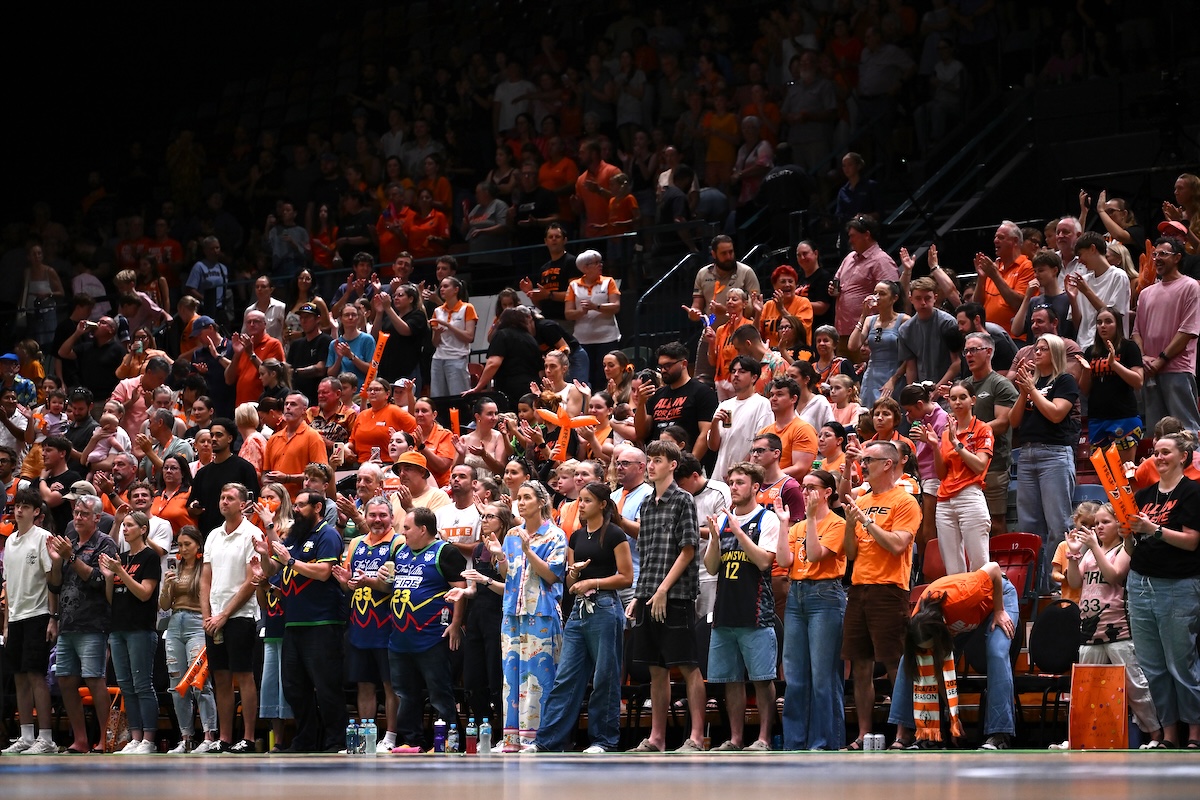
Women’s Basketball Schedule
- WNBA: May to October
- WNBL: October to March
- Unrivaled: January to February
- Project B: January to April
- Upshot: May to August
- EuroLeague: September to April
- EuroCup: September to April
- NBL1: March to August
If the WNBL moved to May–September, it would fundamentally reposition itself in the global women’s basketball ecosystem – and probably avoid the worst of the coming cannibalisation battle.
But it would create a completely different set of trade-offs.
What the WNBL would avoid
1. Direct conflict with Project B
This is the biggest reason the move makes sense.
A May–September WNBL season:
- completely avoids January–April,
- avoids WNBL finals overlapping with Project B,
- reduces the risk of stars leaving mid-season.
That alone could stabilise roster continuity.
2. Better import market
The WNBA runs from May to October, but hundreds of players are cut, waived, or go unsigned during training camp and the early season.
The WNBL could become:
- the premier destination for:
- waived WNBA players,
- development players,
- younger Americans,
- Europeans needing reps,
- Australians outside WNBA rotations.
Instead of competing financially with Europe, the WNBL could become a high-level “active season” alternative.
3. Cleaner Australian basketball calendar
Right now:
- NBL
- WNBL
- cricket,
- AFLW,
- A-League,
- summer sports
all overlap.
A winter WNBL potentially:
- aligns with the NBL1 basketball season
- gives Basketball Australia a year-round elite pathway
- creates cleaner domestic storytelling between NBL and WNBL.
Potential flow:
- NBL: October–March
- WNBL: May–September
That creates almost continuous basketball coverage. But the risks are enormous:
1. Direct collision with the WNBA
This is the major downside.
A May–September WNBL season means:
- No Australian WNBA stars,
- No WNBA Stars
- no cross-league star power.
That weakens:
- marketing,
- attendance,
- broadcast appeal,
- sponsor value.
2. AFL and NRL winter dominance
In Australia, May–September is:
- AFL season,
- NRL season,
- State of Origin,
- Final races.
The WNBL would move into the most crowded sports media period in the country.
Summer gives the WNBL at least some clearer media oxygen.
3. Junior participation conflicts
Winter is the peak season for grassroots basketball.
That creates both:
- opportunity (engaged basketball audiences),
and - risk (families/coaches/players already overloaded with basketball commitments).
4. Broadcast pressure
Summer provides:
- lighter sports competition,
- easier scheduling windows,
- more available broadcast slots.
Winter makes the WNBL compete directly against:
- AFL,
- NRL,
- Super Netball,
- international sport,
- NBA playoffs early,
- NCAA off-season recruiting/news cycles.
The likely outcome
A May–September WNBL probably becomes:
Stronger in:
- sustainability,
- roster stability,
- avoiding Project B and EuroLeague
- domestic basketball integration,
- operational efficiency.
Weaker in:
- Australian superstar visibility,
- broadcast clashes with AFL and NRL,
- mainstream sports coverage.
The real question becomes: Does the WNBL want to compete as a premium global league or survive as a sustainable Australian basketball league with a clearer market position?
The current calendar may no longer allow both.
Former WNBL CEO Jennie Sager’s role was made redundant after the 2025-26 season as part of the ownership’s restructure.
The WNBL is owned by a consortium of the National Basketball League (NBL) and the Wollemi Capital Group Syndicate (WCG), led by Tesla chair Robyn Denholm and Larry Kestelman. basketball.com.au is part of the LK Group of businesses.
“Women's sport doesn't need a seat at the table. It needs its own table,” Sager said in sharing the news of her department.
“That's a belief I have held for my entire career, and it's what brought me to the WNBL.
“Today, I'm sharing that I've departed my role as CEO of the WNBL. It has been a privilege to work with such incredible athletes and build a better future for them.
“In just one season, this league and the extraordinary people in it achieved amazing things.
"𝗧𝗵𝗶𝘀 𝘄𝗮𝘀 𝘁𝗵𝗲 𝗕𝗶𝗴𝗴𝗲𝘀𝘁 𝗪𝗡𝗕𝗟 𝗦𝗲𝗮𝘀𝗼𝗻 𝗶𝗻 𝗛𝗶𝘀𝘁𝗼𝗿y
🏀 Nearly 200,000 fans attended games (+43% YoY)
🏀 3.9 million broadcast reach (+130% YoY)
🏀 2.3 million views on the WNBL YouTube channel (+1,237% YoY)
🏀 103,000 followers across social media channels (+33% YoY)
🏀 60 million impressions across social media channels (+380% YoY)
🏀 1.2 million views of the WNBL website (+74% YoY)
🏀 Finals Series attendance up 34% YoY
🏀 Perth Lynx's biggest crowd in history
🏀 A new license for expansion team, Tasmania Jewels, set to join the league in WNBL27
🏀 A historic Championship decided that went to 42 lead changes for a nail-biting overtime finish
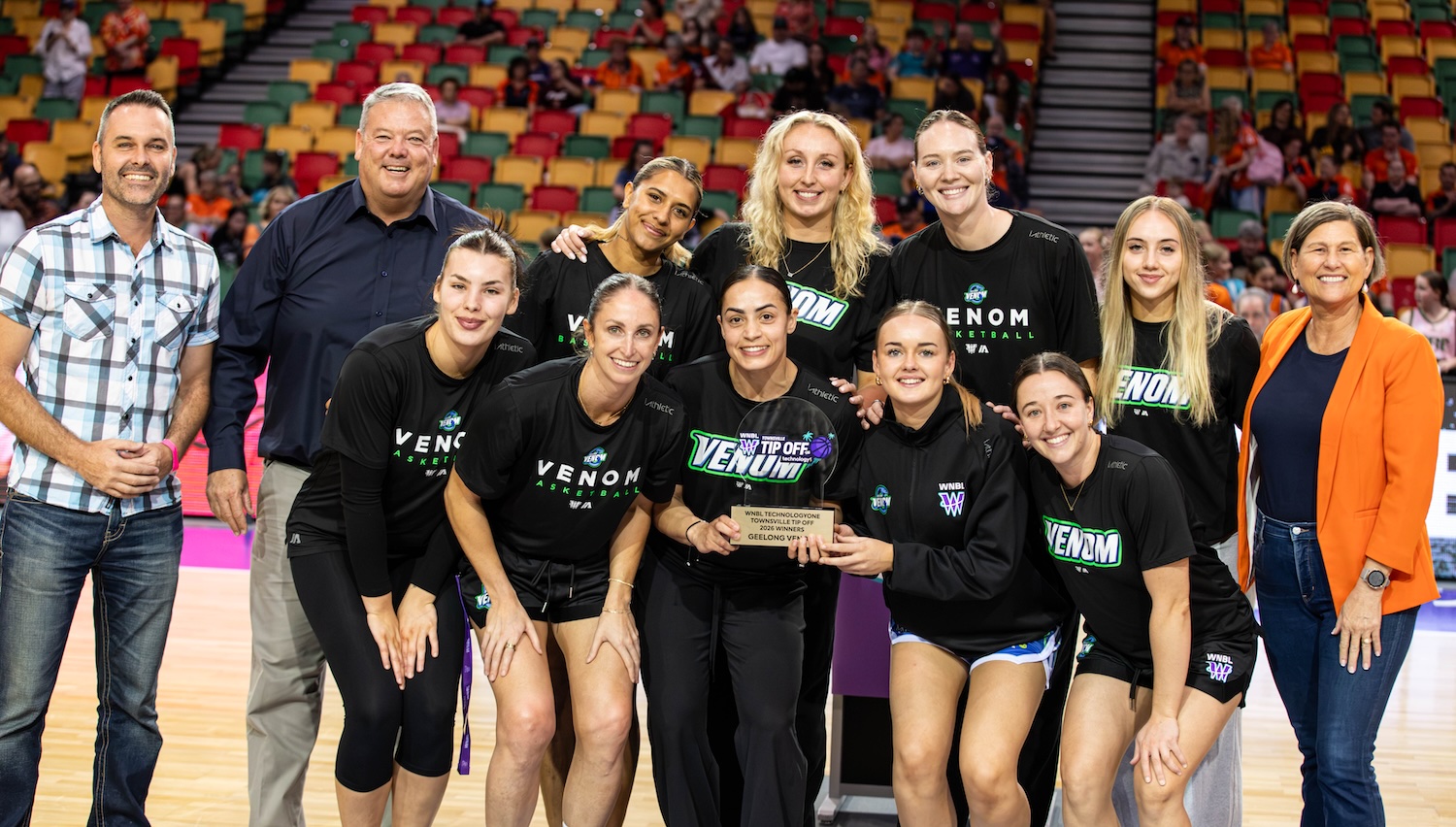
🏀 The first-ever WNBL standalone preseason tournament, the Townsville Tip Off
🏀 11 commercial sponsors, including Google and Sephora
🏀 A landmark CBA creating better conditions and more security for athletes“None of this happened by accident. It happened because of a world-class team, deeply committed clubs, incredible athletes, and fans who showed up in record numbers.
“The decision to make the WNBL CEO role redundant is one I find genuinely disappointing.
“I believe women's sport leagues are strongest when they have dedicated leadership and a staff that wakes up every day solely focused on driving them forward. In order to climb the mountain that exists, women's sport needs an independent voice and mandate. That's not a criticism. It's a conviction. We've seen other women's leagues suffer under this model, while we've watched those that operate independently thrive.
“I leave knowing the WNBL is in a better place than I found it, with a stronger and more engaged fan base locally and globally, better conditions for the athletes, and momentum to continue pushing forward.
“To the players, the clubs, the staff, the fans: you are the reason the interest in the WNBL is at an all-time high. I'll be cheering you on loudly from the stands.”
The WNBL is expanding to nine teams in 2026-27, adding the Tasmania Jewels and another franchise in Queensland on the horizon. WNBA superstar Angel Reese is an investor in the consortium trying to secure the license as part of a Brisbane Bullets bid.
Project B doesn’t clash with the WNBA season, but does with the WNBL and EuroLeague, and league boss Grady Burnett believes there is room in the market – and schedule – the city-tour tournament.
“We’re talking about six men’s teams, six women’s teams, six tournaments a year,” Burnett told basketball.com.au in an exclusive interview.
“So you’re talking about roughly 66 men’s players, 66 women’s players.
“There’s plenty of room for this to succeed and grow.
“And also, we play in these other cities as well, it’s a great way to grow the attention and grow basketball and grow culture, tourism and other things in those cities too.”
Black hats push comparisons between LIV golf and the PGA, and the Project B’s investment ties to Saudi Arabia.
“We view this – this is growing the global market of basketball,” Burnett said.
“It’s the basketball – there are three billion fans, there’s players from all over the world.
“The women’s game is probably growing three times faster than the men’s game right now, because it’s coming from a lower base, and that is, you know, that is good.
“So I think anything within the institution, it — this supports that.
“This is something where we recognise, applaud, and appreciate everything that’s been built before it, but if you look at sort of this next generation, for all these things that we talked about, there’s room to do more.
“So, I think we complement that ecosystem (and) we care deeply about the ecosystem that we’re entering.
“We’ve worked very hard to make sure we’re keeping FIBA windows open and all that kind of stuff, and I’ve had all the right conversations there.”
Project B: 7 facts you need to know
- Global, player-first league – Built as a touring competition with players holding equity, not just contracts.
- Launch window set – First season targeted for late 2026, with opening tournament expected in January.
- Tournament format – Six teams, ~66 players, competing across multiple 10–14 day events in global cities.
- Annual draft system – Teams reset every year, with captains, coaches and GMs building rosters.
- Traditional basketball rules – Standard 5-on-5, FIBA-aligned — no gimmicks, pure on-court competition.
- Festival-style events – Each stop blends elite games with culture and city-based experiences.
- Australia in the frame – Not a Year 1 host, but Sydney and Melbourne are firmly on the roadmap.
There is no doubt that the women’s basketball landscape is fundamentally changing. The WNBA attracted 145,000 fans on its opening weekend, with viewership still to be released.
Australian Nyadiew Puoch’s Portland Fire drew more than 19,000 fans to its first game, while Miela Sowah’s second-year franchise, the Golden State Valkyries, attracted 18,000.
Women’s basketball has arrived.
How the WNBL adapts is in part in the hands of our greatest ever basketballer – and that’s a good place to be.
About the Author
Peter Brown is the head coach of the Sydney Comets Women’s Youth League team in the Waratah Basketball League in NSW. He is also the assistant coach for the Comets NBL1 women’s team in the NBL East Conference. Peter is a 30-year journalist, starting as a sports reporter at the NT News in the early 1990s. He played junior basketball for the Northern Territory at national championships from U16 to U20 and for the Territory’s senior men’s team at numerous international tournaments. Peter has been a basketball fan since the early 80s, especially the NBA. Basketball is his passion — and his opinions his own. Email peter.brown@basketball.com.au with feedback.



.jpg)
.jpg)

.png)

.png)

.png)
.png)