
24
Apr
Exclusive
Inside Project B: Why world basketball is changing

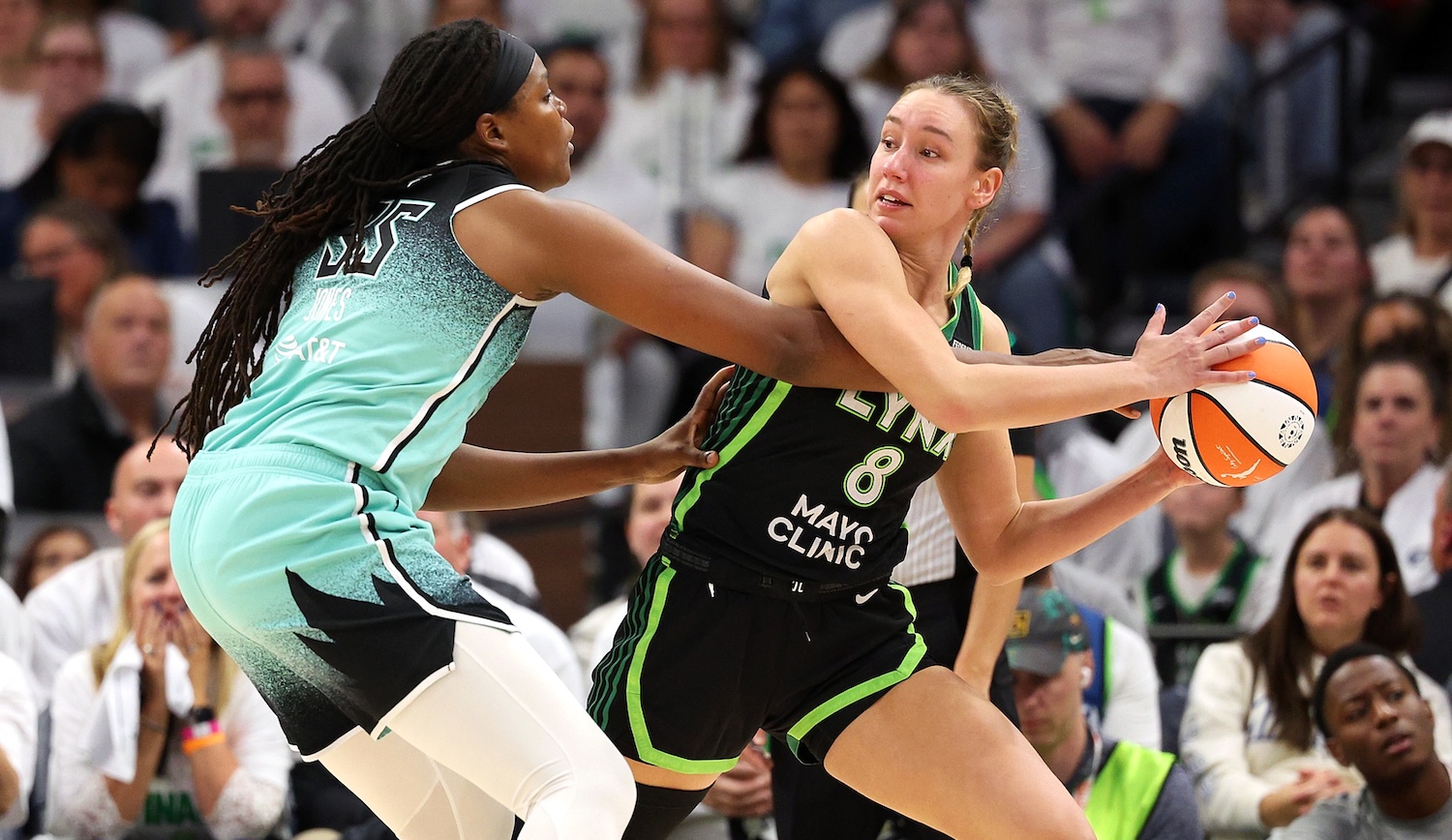
Former Minnesota Lynx forward Alanna Smith attacks Jonquel Jones during Game Three of the WNBA Finals at Target Center. Both are now marquee signings for Project B. Photo: David Berding/Getty Images
Inside Project B: format, players, launch timeline, and what it means for global basketball.
- Lauren Jackson to advise new league Project B
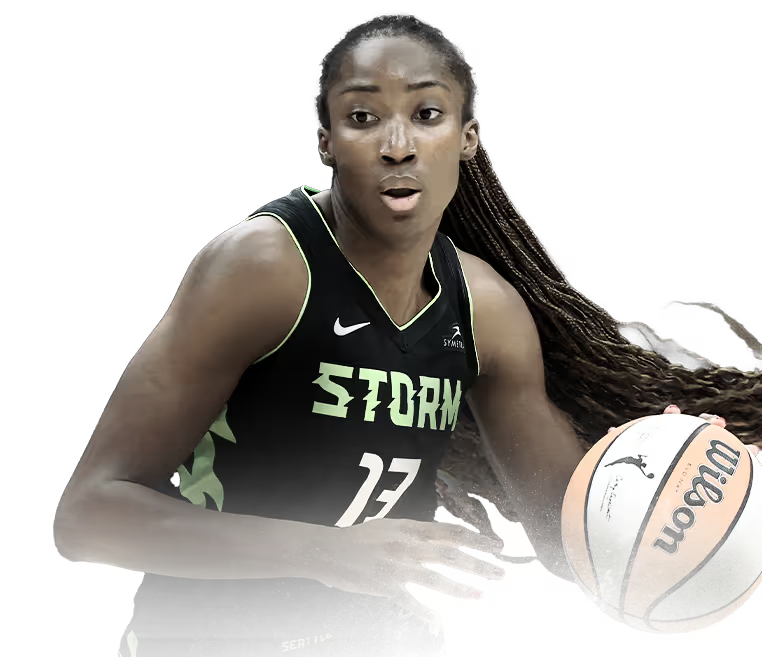
- Alanna Smith turns $98K grind into $5.2M payday
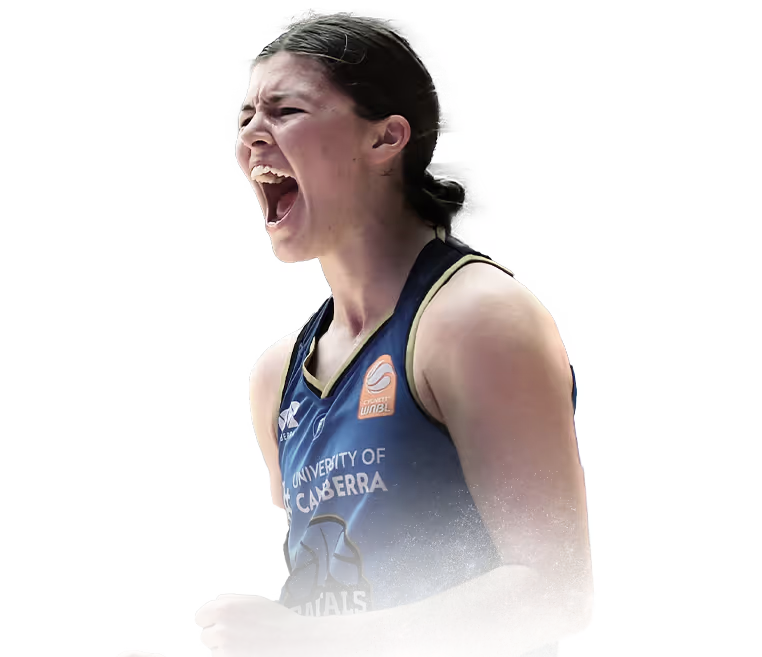
- Opals star Ezi Magbegor lands USD $1M pay rise
“No gimmicks” – just the world’s best basketballers going at it is how Project B co-founder Grady Burnett described the F1-style, player-led league launching in 2027.
“The core thing is elite play and consequence,” Grady told basketball.com.au in an exclusive interview.
“For us, we’re not recreating basketball. It’s 5-on-5, the court size is the same, the height of the basket – we’re not creating another (form).
“This is pure basketball.
“Our view has really been basketball as you’ve seen it.
“We’re not going to add a four-point shot or raise the hoop to 12 feet – we’re not going to change those things.
“Could there be an innovation like the ABA back in the day created the shot clock – could we do something on the margin that helps all of basketball? Potentially.
“But the rules that FIBA has defined and all these other things are really good.
“There’s, there’s no need to mess with it.”
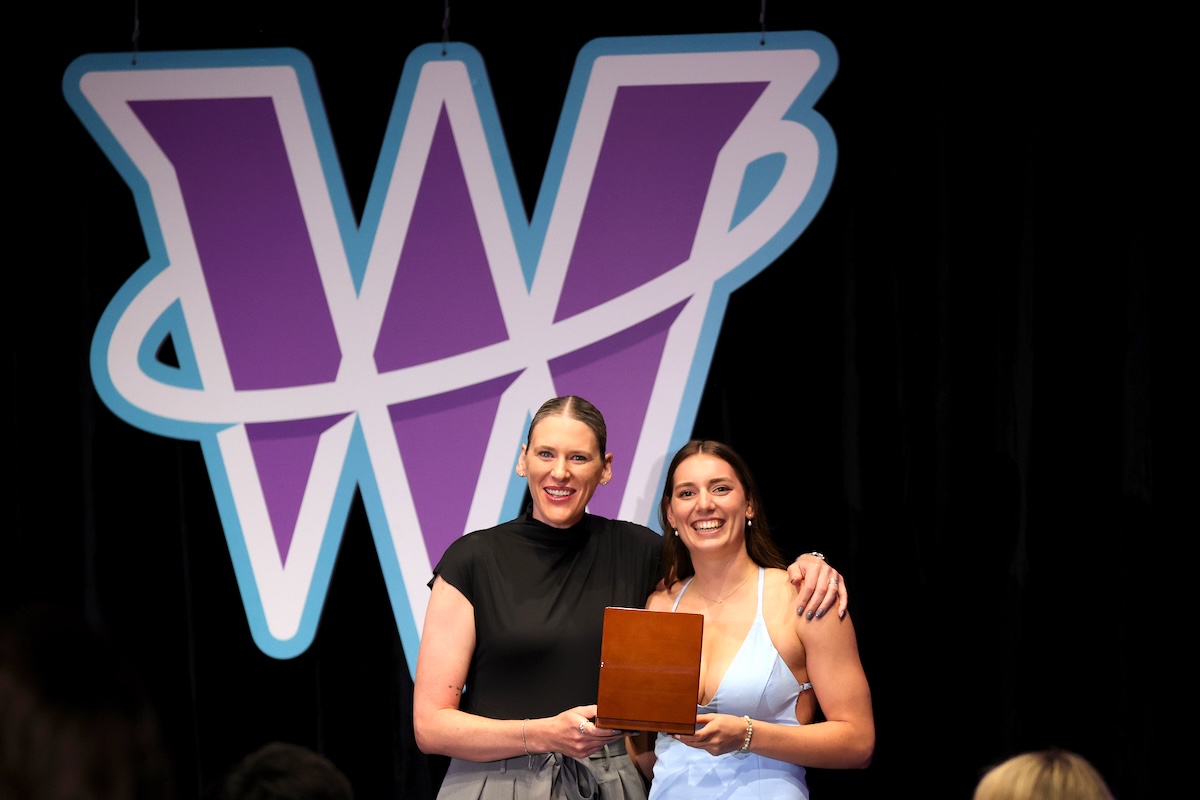
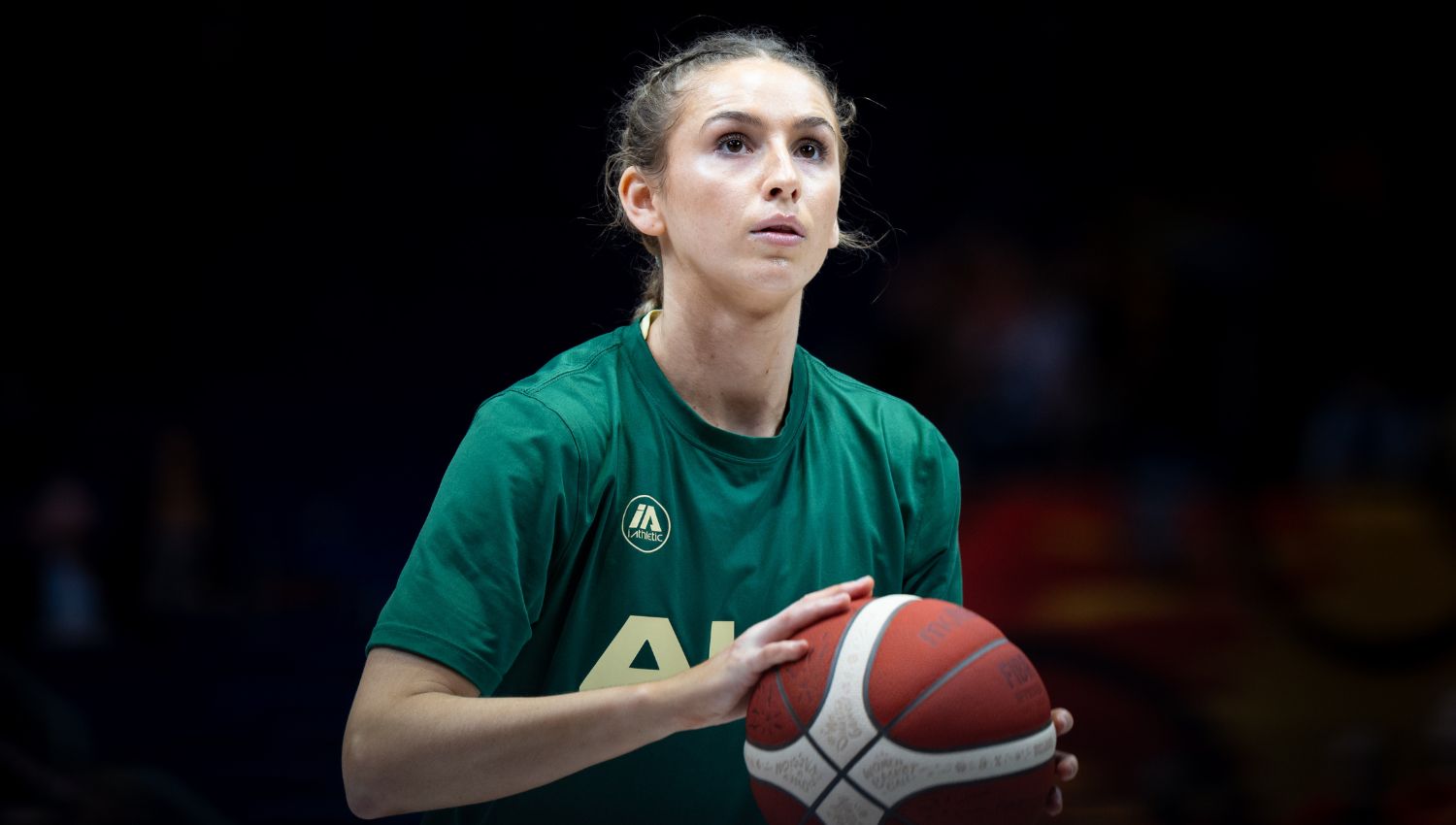
Australia’s GOAT basketballer Lauren Jackson is an advisor to Project B, and she understands the gravity of the new league creating more opportunities for female athletes, such as Australian Opals star Alanna Smith.
Smith, 29, signed with Project B today, just days after joining the Dallas Wings on a three-year deal worth USD $3.75 million (approximately AUD $5.2 million).
“Project B is a really positive addition to the global landscape, and it builds on the strength of existing domestic leagues around the world,” Jackson told basketball.com.au.
“Those leagues are the foundation of the game. They develop talent, create identity, and connect deeply with fans.
“Project B gives players more choice, more support, and another high-quality environment to grow, while staying rooted in those systems.
“For someone like Alanna, it means continuing to evolve at the highest level while remaining closely connected to Australian basketball and the broader international pathway.”
Project B: 7 facts you need to know
- Global, player-first league – Built as a touring competition with players holding equity, not just contracts.
- Launch window set – First season targeted for late 2026, with opening tournament expected in January.
- Tournament format – Six teams, ~66 players, competing across multiple 10–14 day events in global cities.
- Annual draft system – Teams reset every year, with captains, coaches and GMs building rosters.
- Traditional basketball rules – Standard 5-on-5, FIBA-aligned — no gimmicks, pure on-court competition.
- Festival-style events – Each stop blends elite games with culture and city-based experiences.
- Australia in the frame – Not a Year 1 host, but Sydney and Melbourne are firmly on the roadmap.

Jackson was appointed Special Advisor to the WNBL last year as part of the new ownership’s takeover of the league. Her influence in both Project B and WNBL puts an Australian perspective at the heart of basketball’s global growth.
“Being involved across competitions gives them perspective and the ability to help connect and strengthen the overall ecosystem,” Jackson said.
“When players have a voice, it helps ensure alignment, supports sustainable growth, and reinforces the importance of domestic leagues as the foundation of the game.
“That is how you build something that benefits not just today’s athletes, but future generations as well.”
Grady said Project B had studied the launches of other professional leagues in different sports, and the comparison to Formula 1 was an easy one to make.
“We drew a lot of inspiration from F1,” he revealed.
“F1 has these incredible weekends in 24 cities – there’s a great one in Australia, right?”
“They’ve really created a premium, elevated atmosphere around that, and a party and sort of festival-type atmosphere that activates the city, not just the drivers, not just the track, but really encompasses culture there.
“We thought that for the modern day, doing that and going to Tokyo or Valencia or another city in the world and spending two weeks – 10 days in that city – is a great way.
“So it’s instead of a three-day weekend or five days, a 10-day event, and you get to experience that culture.
“You’re not having to, as players, you’re not having to take four or five flights that week.
“You’re embedded in that city, in that culture. Fans are there. You can think of fashion drops, you can think of great restaurants, you can think of music concerts, and a bunch of other things.
“The centre of it is the highest level basketball in the world. These will be the best players – that’s the North Star.
“But with that, you’re doing the long-form Drive to Survive-type content.
“You’re doing the day-to-day TikTok and Instagram-type stuff. You’re broadcasting the high production value of this game to everybody in the world.
“So we drew a lot of inspiration from what F1 has done, and also from the Grand Slam tennis tournaments, right?”

Project B doesn’t clash with the WNBA season but does with the WNBL and EuroLeague.
“We’re talking about six men’s teams, six women’s teams, six tournaments a year,” Burnett said.
“So you’re talking about roughly 66 men’s players, 66 women’s players.
“There’s plenty of room for this to succeed and grow.
“And also, we play in these other cities as well, it’s a great way to grow the attention and grow basketball and grow culture, tourism and other things in those cities too.”
Black hats push comparisons between LIV golf and the PGA, and the Project B’s investment ties to Saudi Arabia.
“We view this – this is growing the global market of basketball,” Burnett said.
“It’s the basketball – there are three billion fans, there’s players from all over the world.
“The women’s game is probably growing three times faster than the men’s game right now, because it’s coming from a lower base, and that is, you know, that is good.
“So I think anything within the institution, it — this supports that.
“This is something where we recognise, applaud, and appreciate everything that’s been built before it, but if you look at sort of this next generation, for all these things that we talked about, there’s room to do more.
“So, I think we complement that ecosystem (and) we care deeply about the ecosystem that we’re entering.
“We’ve worked very hard to make sure we’re keeping FIBA windows open and all that kind of stuff, and I’ve had all the right conversations there.
“And then worked with clubs as well. This is something that should be viewed as, ‘hey, this is another destination where some of our top young players can go, and this is a place where, you know, transfer fees or partnership to help grow those clubs, those institutions, those federations’.
“We were interested in having discussions around all that.”
Burnett was bullish about the future of Project B and its expansion into new cities, not just Tokyo and Valencia.
“There are a bunch of cities that we’ve had early discussions with and aren’t going to fit for year one, but will work great for year two, three, four, and beyond.
“So it’s generally a world-class city with great infrastructure, built-in fandom, and amenities that will make it easy for fans and players to spend time there.”
Australia: Sydney or Melbourne?

“Great cities,” Burnett added.
“We are not in a position where we’re going to play there in year one, but it is absolutely a place we will play.”
The key difference for Project B is that every team will be different every season.
“We think the best way to structure teams is where each team has roughly an equal shot at the beginning of the year to win a title,” Burnett said.
“So we reset the teams every year. So there’s a draft every year. Everyone is centrally contracted within the league.
“Captains are appointed based on who the top players are in the world and in the league.
“Those people are paired with a coach and a GM, and they choose the team for that year, and they play all six of those tournaments together.
“We’ve got a whole draft of what this looks like, how it unfolds, and the type of media event you’d have around it.
“But it was one of those things where initially we came up with the idea, had a couple of conversations – I almost was a little bit scared bringing it up to existing or former players – and they’re like, ‘Oh my God, we love that.’
“So that’s the structure.”
What we know so far: Project B
- Project B is a new global basketball league built around a player-first, equity-based model
- Founded by tech executives including Grady Burnett (ex-Google, Facebook)
- Designed as a premium, global tour rather than a traditional home-and-away league
- Built to reflect a global fan base (3B+) and international talent pool
Core idea: take elite basketball to the world – not keep it centred in one country.
Launch timeline
- First season: expected late 2026 → early 2027 window
- First tournament: targeted for January (Year 1 launch phase)
- Initial rollout has been quiet build > phased announcements (players, cities, partners)
League format (key details)
Structure
- Tournament-based global season
- ~6 tournaments per year
- Each event runs ~10–14 days in one city
- Inspired by:
- Formula 1 (global circuit)
- Grand Slam tennis (event-based prestige)
Teams & players
- 6 teams (initial model)
- ~66 players total (men and/or women per division)
- Rosters reset annually via:
- Central contracts
- Annual draft
- Teams built by captains + coach + GM
Season load
- ~35–40 games per year per player
- ~5 games per tournament
Player model (the biggest shift)
- Players are:
- Equity holders
- Co-owners of the league
- Designed to move beyond:
- Traditional salary-only structures
- Aligns more with:
- Tech startup models
- Athlete-as-partner philosophy
Translation: players don’t just get paid — they share in the upside.
Style of play
- Traditional 5-on-5 basketball
- FIBA-aligned rules
- No gimmicks:
- No 4-point line
- No rule changes to core game
Focus: Elite play + high-stakes games + every game matters
Event experience (differentiator)
Each tournament is designed as a festival-style experience, not just games:
- Embedded in one city for ~10 days
- Culture + entertainment layered around games:
- Music
- Fashion drops
- Food + local experiences
- Heavy content layer:
- Documentary-style storytelling
- Daily social content
Model comparison:
- F1 weekend energy
- Australian Open tennis festival feel
- “Drive to Survive” storytelling layer
Confirmed / emerging locations
- Early announced cities include:
- Tokyo
- Valencia
- More cities expected across:
- Europe
- Asia
- Americas
Australia (Sydney/Melbourne):
- Not Year 1
- Firmly on long-term roadmap
Key basketball figures involved
- Lauren Jackson — advisor
- Alana Beard — Chief Basketball Officer
- Backed by global investors including:
- Candace Parker
- Novak Djokovic
Takeaway: credibility is being built from both basketball and global sport ecosystems
Relationship with existing leagues
Project B is positioning itself as:
- Complementary, not competitive
- Built to:
- Sit around existing calendars (WNBA, FIBA windows)
- Add another elite opportunity layer
Key claims:
- Supports domestic leagues
- Enhances player development pathways
- Potential for:
- Transfer-style compensation models
- Club partnerships
Pathways impact (important for Australia)
Project B’s stated impact:
- Adds another tier above domestic leagues
- Creates:
- More global exposure
- More flexible career pathways
- Players can:
- Stay local longer
- Move between systems
- Gain international experience
“Domestic leagues remain the heartbeat… this adds another layer.”
Why now?
Project B is riding several tailwinds:
- Explosion in women’s basketball growth
- Rising global sports economy (trillion-dollar industry)
- Demand for:
- Shorter, high-stakes formats
- Premium live experiences
- Shift toward:
- Athlete empowerment
- Direct-to-fan content ecosystems
The LIV Golf comparison (where it fits)
There are similarities — but key differences:
Similarities
- New global model
- Backed by non-traditional investors
- Challenges legacy structures
Differences
- Much smaller scale (66 players vs full tours)
- Designed to co-exist with existing leagues
- Focus on equity + ecosystem growth, not disruption
What’s still unknown
- Final confirmed player list
- Exact salary structure vs equity split
- Full calendar alignment with NBA/EuroLeague
- Broadcast partners
- Expansion timeline (men’s league clarity)
Who is Grady Burnett?
Grady Burnett is the Co-Founder and Chief Operating Officer of Project B, the new global, player-first basketball league set to launch in 2026–27.
A former professional athlete turned tech executive, Burnett has built a career at the intersection of sport, technology, and global scale businesses.
Career snapshot
- Project B – Co-Founder & COO, leading the strategy behind a global basketball tour built around player equity and international events
- Facebook – Vice President of Global Sales & Operations
- Google – Director of Online Sales & Operations (AdWords, North America)
- Flurry (Yahoo) – Chief Operating Officer, helped lead the company through its acquisition
- DoubleClick – Vice President of Sales
Investor and business background
- Former CEO of Macondray Capital
- Co-Founder & Managing Partner of Bow Capital (US$275M venture fund)
- Active investor and advisor across early-stage technology companies
Sporting roots
Before tech, Burnett competed as an ATP Tour tennis player, giving him a first-hand understanding of elite global sport — a lens that shapes Project B’s player-first model.
Education and leadership
- BA (History) – University of Michigan
- MBA – Harvard Business School
- Board member – Southern New Hampshire University





.jpg)


.jpg)
.jpg)