
22
Jun
Exclusive
Parent exposes junior basketball's uncomfortable truth

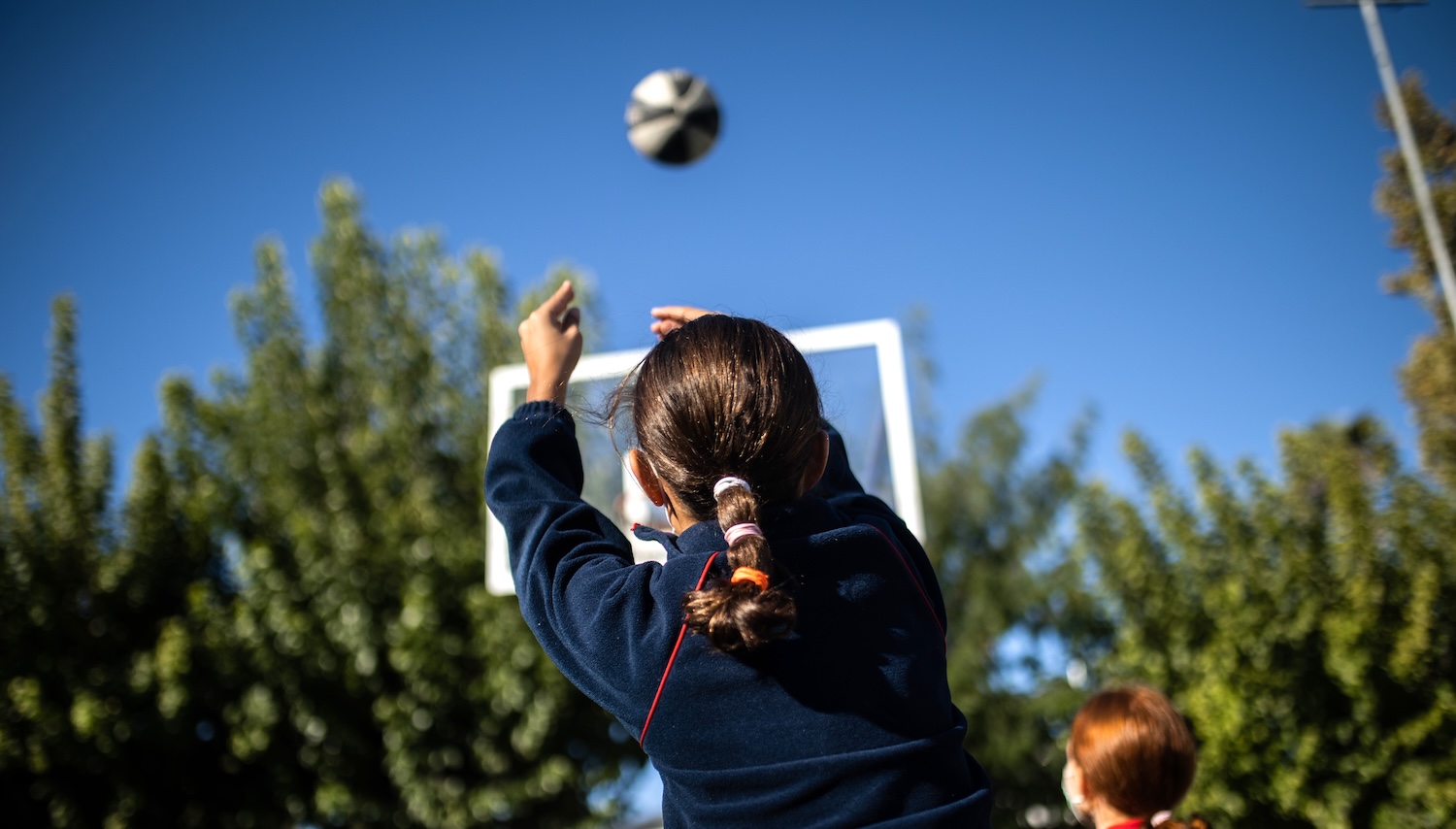
Parent's message to basketball.com.au reveals why winning juniors may be hurting player development
- Jason Cadee: The problem crippling junior Aussie hoops
- '[Expletive] that': Truth nobody in US wants to admit
- NBA super agent reveals 5 secrets to being a pro
“I, by no means think my daughter is a superstar,” read the message basketball.com.au received this week after former NBL star and Cut to the Jase podcast host Jason Cadee criticised the emphasis winning has on player development in junior club basketball.
The message was prompted by Cadee saying: "We live in this place now where everyone gets so worried about winning their under 14 div one, div two, div three.
"It's really, like, if you want to talk about development, the worst thing for you is being on the best team that wins every game by 100 points.
"We've got lost in the importance of winning juniors. If I'm being brutally honest, it means sweet FA.
"No one asked me when I got to being a pro, did you win your under 12s, div one? No one asked me. No one cares. Everyone's journey is different.
"It starts in different places, ends in different places, and I think we've got a little bit mixed up in what's really important for a lot of the kids at certain age groups."
basketball.com.au is not revealing the identity of the parent nor the player to protect them from, sadly, “parental and club politics.”
“Jason Cadee’s article really resonated,” the parent wrote.
“We have been in three district clubs. The first club, by the third year of playing basketball, she made it to U14 Div 2 – didn’t lose a game until the grand final.
“We moved on because of politics and opportunities (she was a quality player but would never get an opportunity there). Moved to a club that was struggling in her age group, U16 – they would lose by an average of 70 points; by the second time of playing teams it was an average of 40 (almost got a couple of upsets).
“She learned a lot, but it was also a struggle to be a big fish in a little pond.
“The team bond was so good it didn’t matter. Second year U16, it all changed – a different mix of girls, and it was quite toxic. Despite the allure of potential opportunities in reserves in the future, she wanted to leave (politics and nepotism had become horrendous).
“While there is a different set of politics (similar to our first club – some players and families have a direct pathway – some earned, some not), she is happier.
"We sit in the middle where the team is generally competitive – we can actually see how far she came through two years of being obliterated on the scoreboard.
“She had to work hard to get to where she is, and she is a consistent player who's always featured prominently on the scoreboard, but she also chases those 1% opportunities and doesn’t give up.
“She learned resilience and strength, but she is already talking about not playing after juniors due to lack of pathway opportunities.
“It’s especially hard when you hear from other coaches and trainers that she has potential, but it’s hard to reach that potential if you are cut off at club level.
“I’m hoping that if she loves it enough, she will stay with it, and there is no reason she can't get there if she keeps working, as I hear seniors are a different ball game, so to speak.”
Cadee spoke about the issue while reflecting on Rio Bruton's journey to sign as a development player for the Brisbane Bullets, continuing his family's legacy with the franchise, just years after playing division two basketball in his early junior career.
"It doesn't matter if you play div two, div three (in under) 12s or 14s," Cadee said.
"Everyone's journey is different. We live in a world now where people are so concerned about winning, and listen, winning is great. I won as a junior; no one asked me how much I won as a junior now as a 35-year-old, but everyone treats under-14s and 16s like the world ends if I don't play on a team that wins.
"Half of the kids that aren't on that team that's stacked with talent that win by 60 will get better than the kids that are on a team winning by 60 points because you're not getting better competing on the best team playing against teams and beating them by 60.
"You're actually better off being the kid that's on the team getting beat by 60. It's hard work, but you'll learn more from that than you will being on the team dominating everyone by 50-60 points."
There is no criticism of how much parents and Australian basketball clubs care about their kids and players, but neither Cadee nor the parent that messaged basketball.com.au only what is now a clear shift in the priorities within junior basketball.
In reality, it’s easy to understand, given the growth of basketball in Australia, the number of “see-it-be” athletes we have on the global stage, from Josh Giddey and Dyson Daniels in the NBA to Alanna Smith and Ezi Magbegor in the WNBA.
More than 300,000 kids aged 5-14 play basketball in Australia, making it one of the most popular sports in the country. Access to courts is at a premium; winning attracts more kids – “better kids” – but at a cost, especially in junior girls basketball.
Research shows that the critical decision-making point for female athletes is 15-17, regarding whether they’ll continue to play competitive sport.
Many opt out.
“I, by no means, think my daughter is a superstar,” the parent said.
“I think there are a lot of kids like her that could go further, but the environment is restrictive – parental and club politics, coaching all impacts.
“Her private coach believes in her and keeps saying juniors isn’t the be-all and end-all.
“Different coaches tell us she is a coach's dream – listens, works hard, can execute, gives 110%, leads by example, never gives up, and chases those 1% opportunities – yet isn’t given one.
“It’s hard to know what to do.
“The biggest frustration is knowing you can do all the right things but be held back by politics.
“Some families in clubs can be very influential, and without a strong club and coaching staff, good players don’t get opportunities to be considered for higher grades (she is in 18.2).
“At the very least, she is happy with her team, and she is just focused on playing good basketball, which is what she can control.”
Basketball Australia’s “2040 Vision – Everybody’s Game” has a bold goal and a “shared ambition” for the sport's future. It’s reinforced by the 2026-28 strategic plan.
Both documents send a strong signal, but they address the symptoms more than the causes.
It commits to improving participation, safety, coaching and girls' basketball, but it does not directly confront the uncomfortable cultural issues Cadee and the parent describe:
- the obsession with winning juniors;
- talent concentration;
- politics and nepotism;
- opaque pathways;
- and the loss of young players who love the game but can't see a future in it.
Ironically, those issues may determine whether Basketball Australia truly achieves its vision of "Everybody's Game" more than any facilities strategy, branding campaign or commercial initiatives.
About the Author
Peter Brown is the head coach of the Sydney Comets Women’s Youth League team in the Waratah Basketball League in NSW. He is also the assistant coach for the Comets NBL1 women’s team in the NBL East Conference. Peter is a +30-year journalist, starting as a sports reporter at the NT News in the early 1990s. He played junior basketball for the NT at national championships from U16 to U20 and for the Territory’s senior men’s team at numerous international tournaments. Peter has been a basketball fan since the (very) early 80s, especially the NBA. Basketball is his passion – and his opinions his own. Email peter.brown@basketball.com.au with feedback.

.jpg)











.png)