
10
Jul
Salary Explainer
Mills' Parker reunion reveals financial reality for veterans


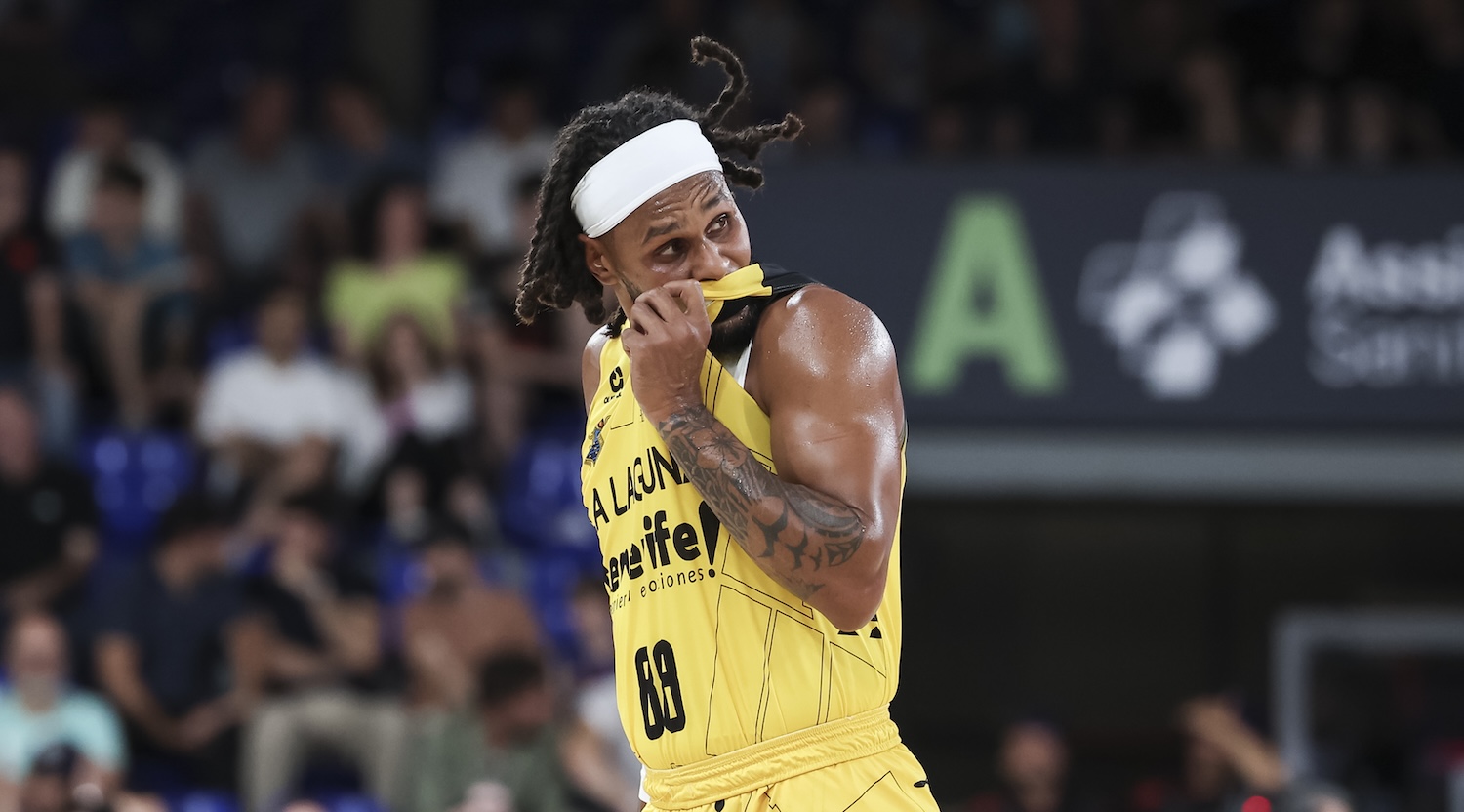
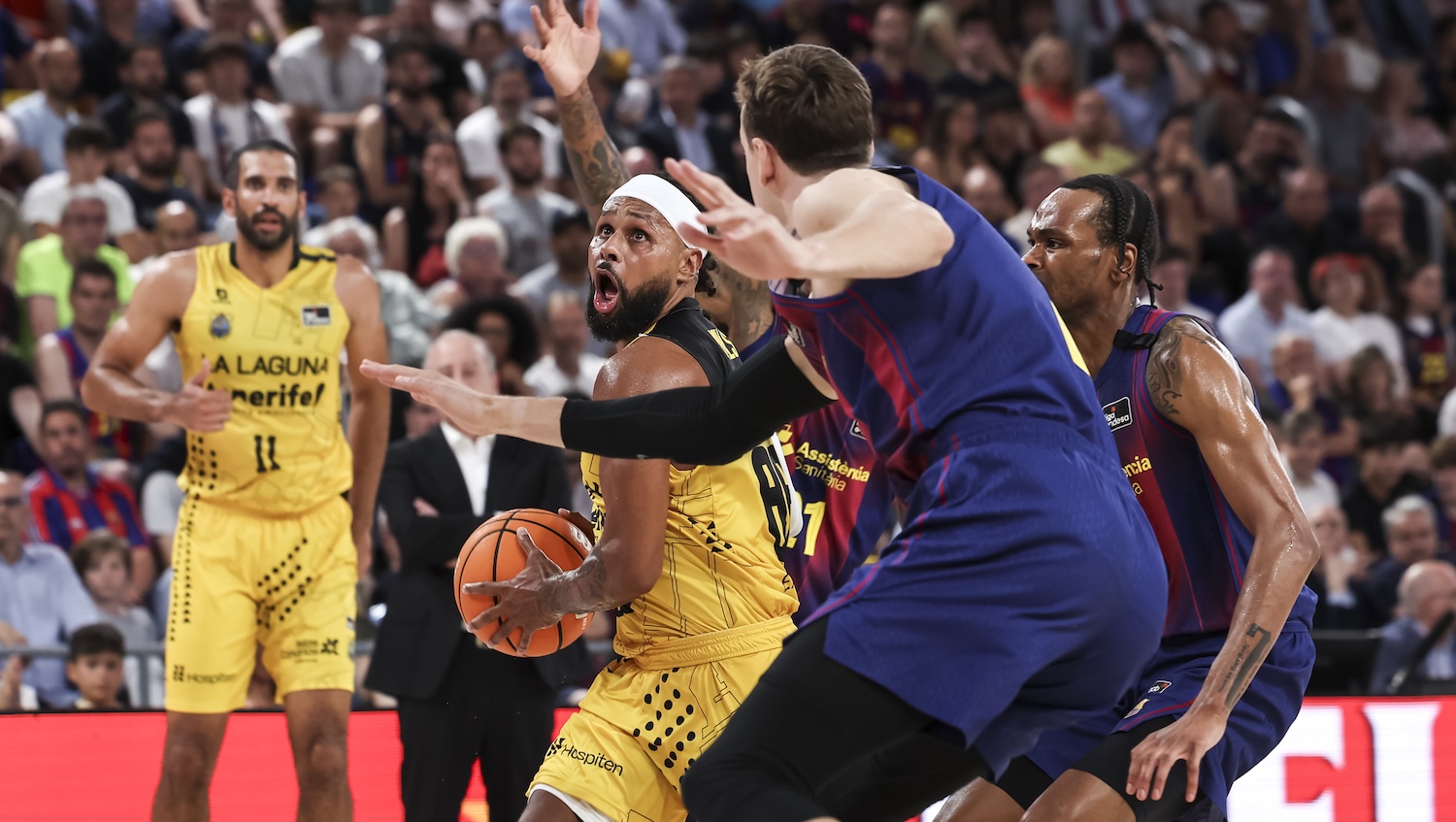
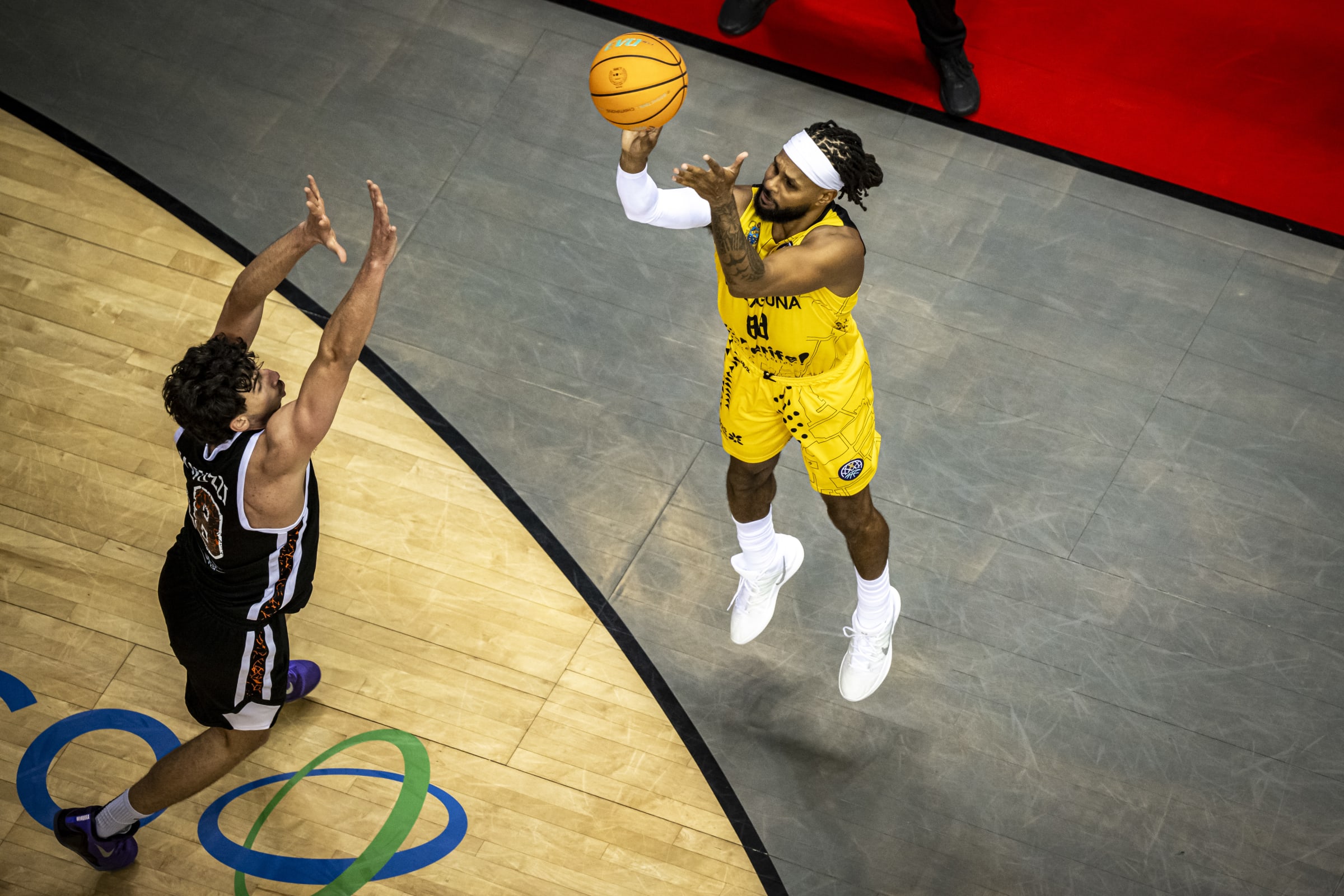
Patty Mills warms up for La Laguna Tenerife before Game 1 of the Spanish Liga ACB semi-final against FC Barcelona at Palau Blaugrana in Barcelona, Spain, on June 9, 2026. Mills has since signed with French EuroLeague club LDLC ASVEL for the 2026-27 season. Photo: Javier Borrego/Europa Press via Getty Images
Highlights
The hidden financial advantages that make EuroLeague contracts so attractive to Australian stars
- Patty Mills to Brisbane? Andrew Gaze's Bullets bombshell
- Was Patty Mills’ 42 the best Boomers game ever?
- Dropping Dimes: Madgen on beating the NIL trap
Australian Boomers legend “FIBA Patty” Mills decision to join former San Antonio Spurs championship teammate Tony Parker’s French side LDLC ASVEL for the 2026-27 season was likely as much business as it was emotional.
Mills, 37, was the subject of wildfire speculation that he was considering a return to the NBL in 2026-27, but the reality told a different story.
His deal with LDLC ASVEL hasn’t been disclosed, but he reportedly turned down a two-year (Euro) €1.8 million ($2.9M AUD) deal with Partizan as part of his decision to join 2014 NBA championship teammate Parker, 44.
Mills earned USD $85.6M (approximately AUD $131M) in NBA salary across 16 season before taxes – an estimated USD $36M (AUD $55M) may have gone to tax before agent commissions and other professional costs.
His decision to stay in Europe after playing for Tenerife in Spain last season also reflects the financial realities facing veteran Australian players.
While an NBL homecoming appeals emotionally for many Australian stars, the economics of Europe's top clubs remain difficult to match.
Why Europe still makes financial sense for Patty Mills
While the financial terms of Mills' contract with LDLC ASVEL haven't been disclosed, there are several reasons why veteran NBA players can often earn significantly more in the EuroLeague than by returning to the NBL.
1. European contracts are often negotiated after tax
Unlike Australia, where contracts are typically quoted as gross salary, many EuroLeague contracts are negotiated on a net salary basis.
That means if a player signs for €1 million net, the player receives €1 million after tax. The club pays the local taxes on top of the agreed salary.
An NBL contract, by comparison, is quoted before Australian income tax.
2. Clubs frequently cover living expenses
Top EuroLeague clubs often include:
- Premium accommodation
- Motor vehicle
- Return flights
- Private health insurance
- School fees for children
- Championship bonuses
- Cup bonuses
- Signing bonuses
Those benefits can be worth tens – or even hundreds – of thousands of dollars annually.
3. Lower out-of-pocket costs
An Australian player returning to the NBL as a “sole trader” generally pays for many of those expenses out of their own after-tax salary.
In Europe, many are included in the package.
4. A shorter season
The EuroLeague season is physically demanding but considerably shorter than an NBA season and, depending on domestic league commitments, can provide veterans with greater flexibility heading into FIBA tournaments.
For Mills, whose priority remains representing Australia at major international events, managing workload has become increasingly important.
5. Staying in elite competition
The EuroLeague is regarded as one of the best basketball competitions in the world behind the NBA.
Playing against elite European opposition will help Mills remain in the frame for the 2027 FIBA World Cup and 2028 Olympic Games.

Why an NBL return doesn't always stack up financially
For Australian basketball fans, the idea of Mills finishing his career in the NBL is so appealing. But financially, the economics are very different to Europe's top leagues.
Here's why.
1. NBL contracts are paid before tax
Unlike many EuroLeague contracts, NBL salaries are negotiated on a gross basis.
That means a player earning $1 million doesn't receive $1 million in their bank account. Australian income tax, the Medicare Levy and agent commissions all come out of that figure.
By the time those deductions are made, a $1 million contract can be worth closer to $500,000 before living expenses and other professional costs.
2. Players cover many of their own expenses
Unlike Europe, many of the costs associated with being a professional athlete are paid by the player.
Depending on the contract, that can include:
- Accountant
- Financial adviser
- Insurance
- Off-season training
- Physiotherapy and recovery
- Legal advice
- Marketing and personal branding
- Additional travel
Those costs can total tens of thousands of dollars each year.
3. Living costs come from after-tax income
Most Australian players also pay for accommodation, vehicles and everyday living expenses from their after-tax salary unless those benefits have been specifically negotiated into their contract.
That further reduces the real value of a headline salary.
4. Australia has one of the world's highest marginal tax rates
High-income earners in Australia face one of the highest personal income tax burdens in professional basketball.
While tax obligations vary depending on an individual's circumstances, the combination of income tax and the Medicare Levy means a significant portion of a seven-figure salary is paid in tax before the player can spend or invest it.
5. The value isn't always in the headline number
A $1 million NBL contract is still an outstanding salary.
But when compared with Europe's top competitions – where contracts are often negotiated after tax and include accommodation, transport and other benefits—the overall financial package can be considerably less valuable.
For a veteran like Mills, who has already earned substantial money during an 18-year professional career, maximising after-tax income while remaining in elite competition is an important consideration as well as lifestyle.
Australian NBL contract
Headline salary: $1,000,000 gross
After:
- Agent commission
- Australian income tax
- Medicare Levy
- Professional expenses
A player may retain approximately $450,000-$500,000 before housing, family and everyday living costs.
That's why, despite the emotional appeal of an NBL homecoming, Europe's leading clubs often remain the more attractive financial proposition for established Australian stars.