
4
Sep
Ultimate Guide
Every WNBA player and what they will earn in 2026

.jpg)
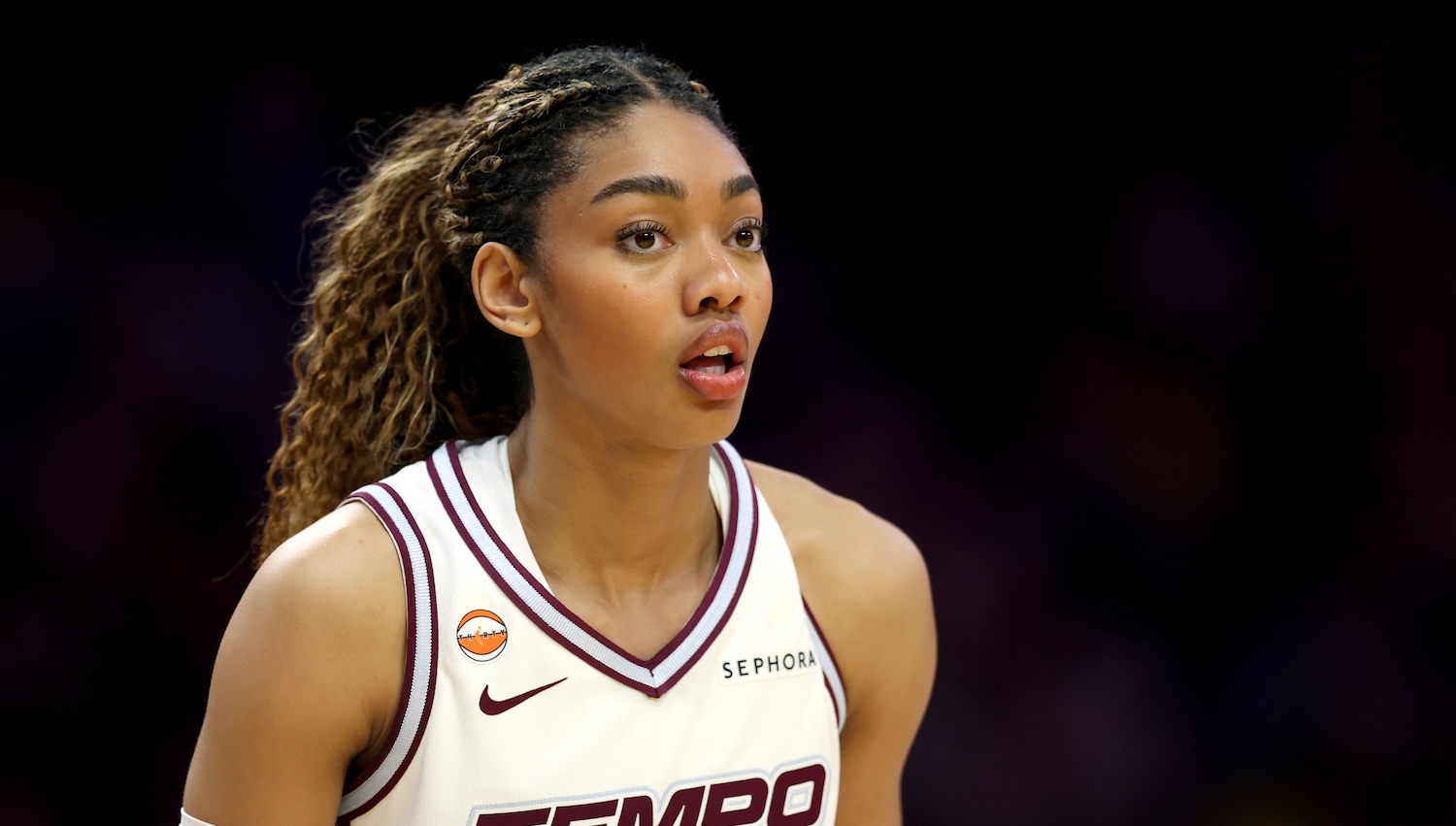
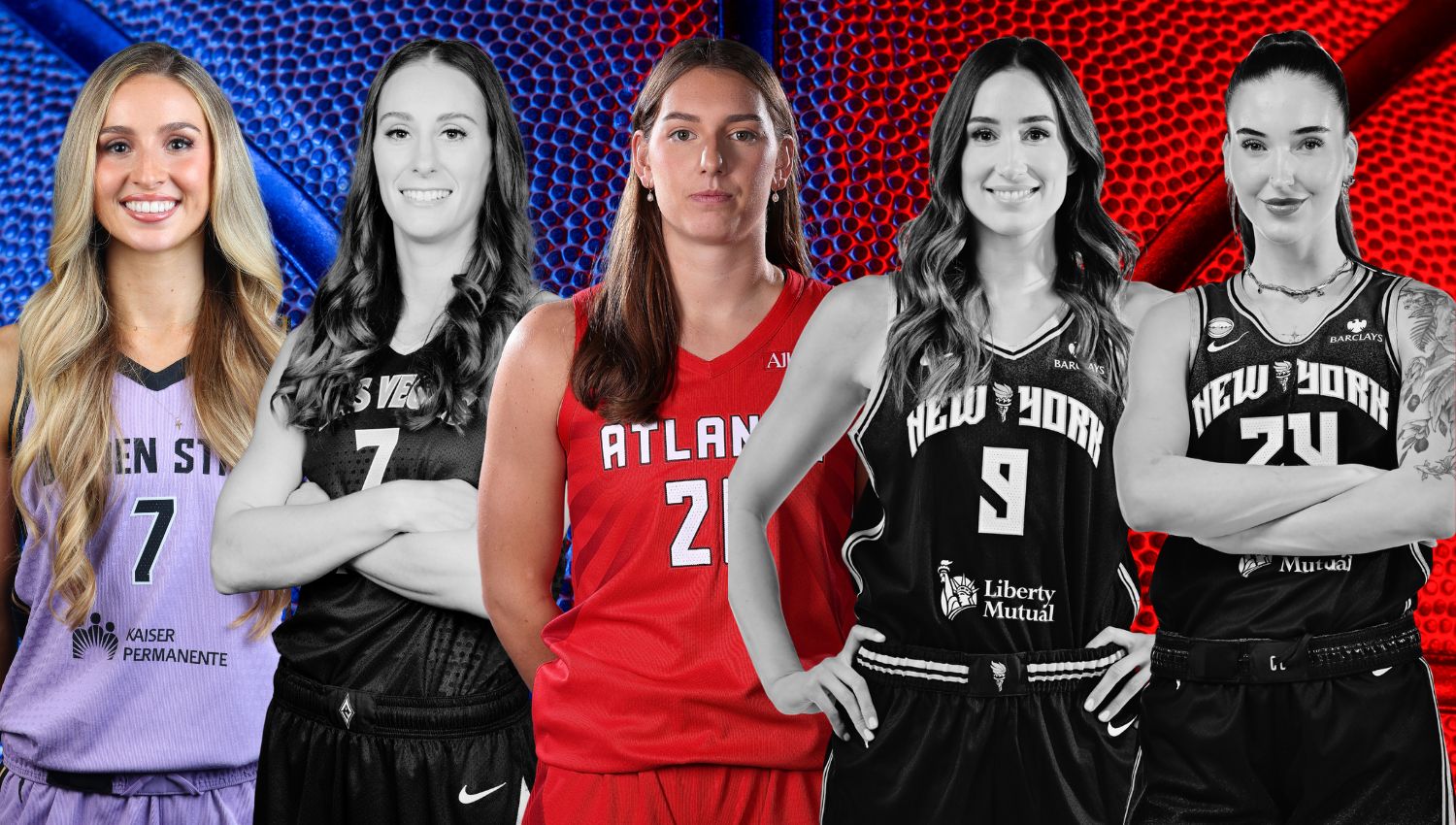
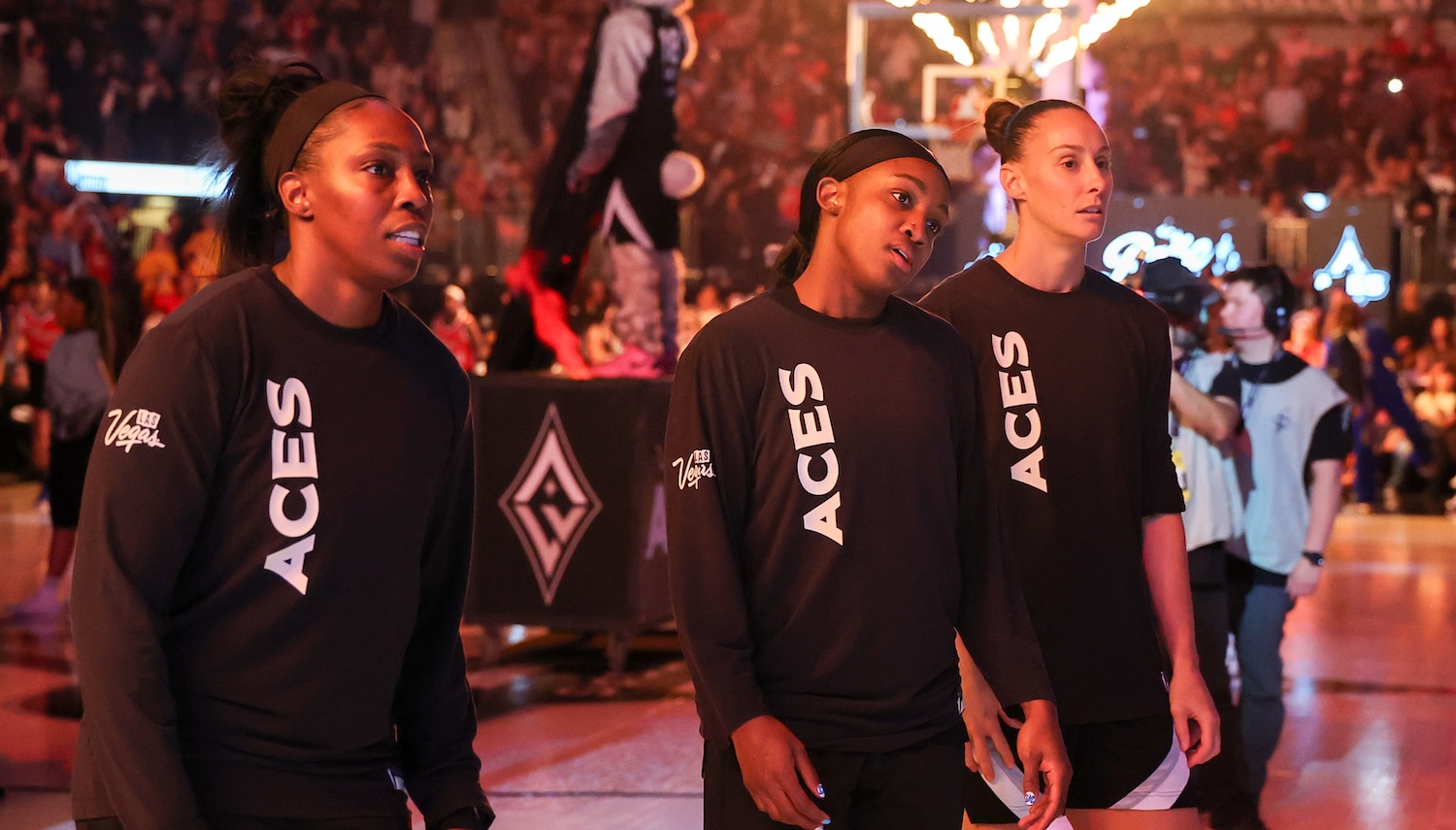
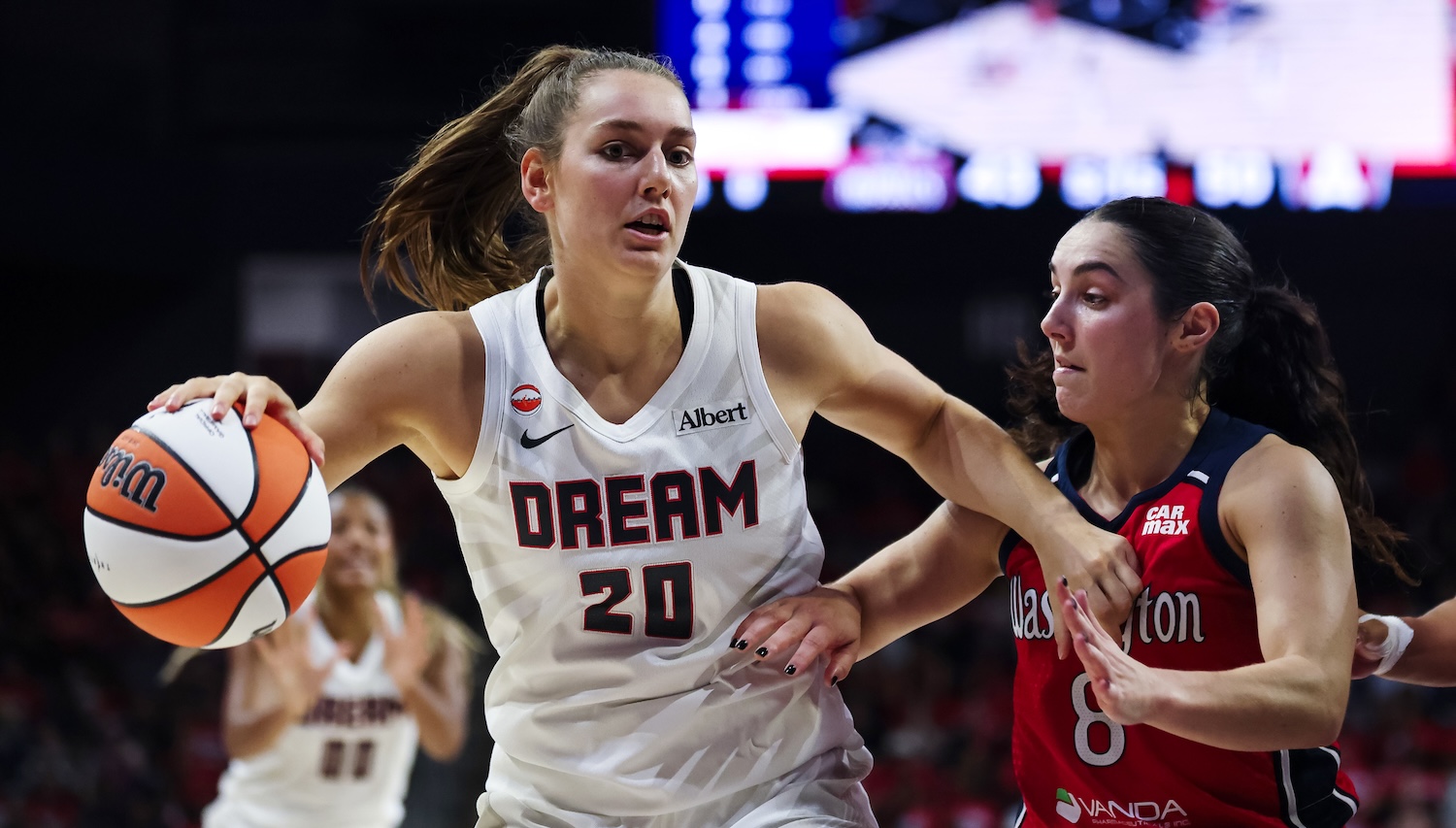
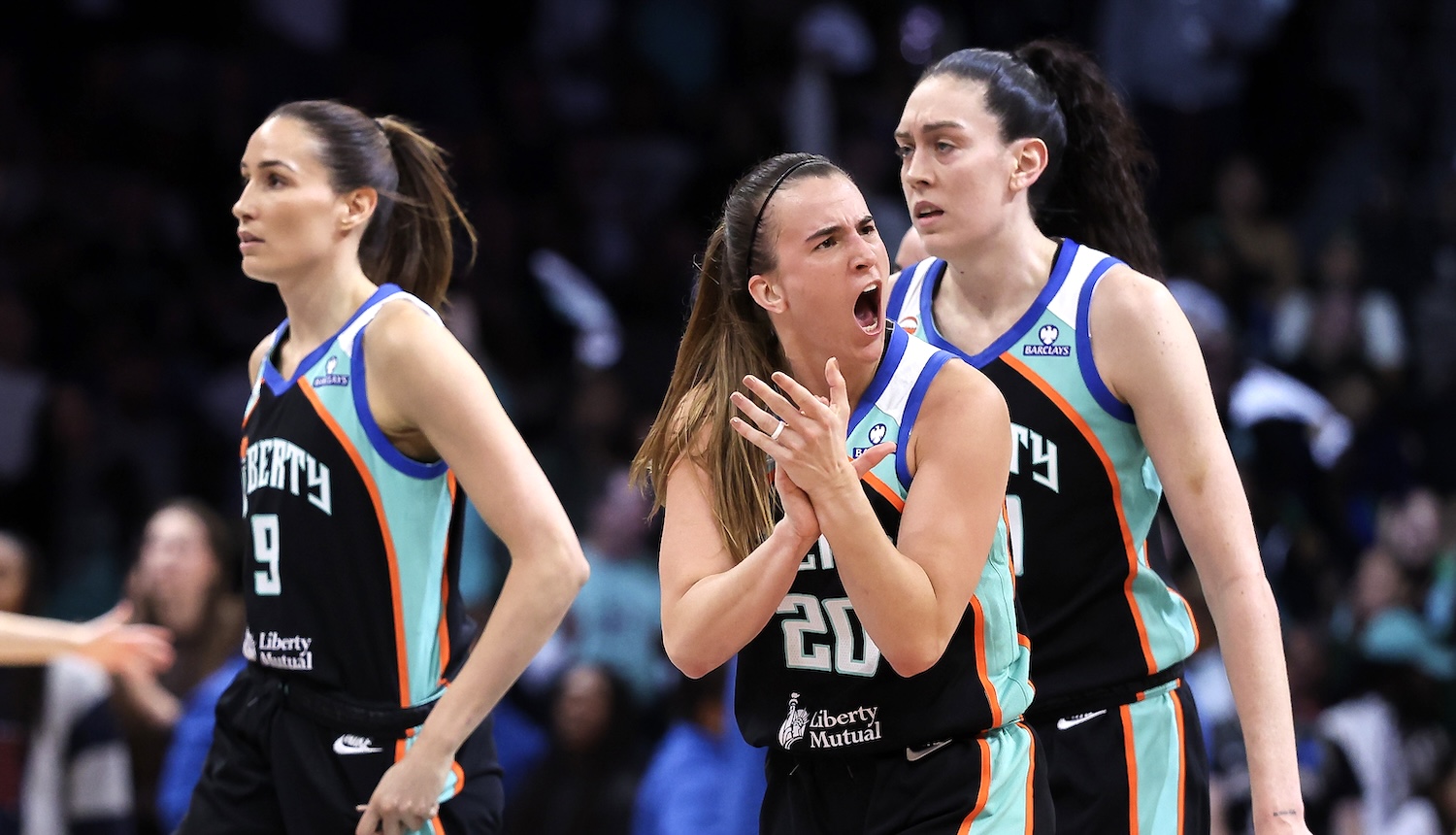
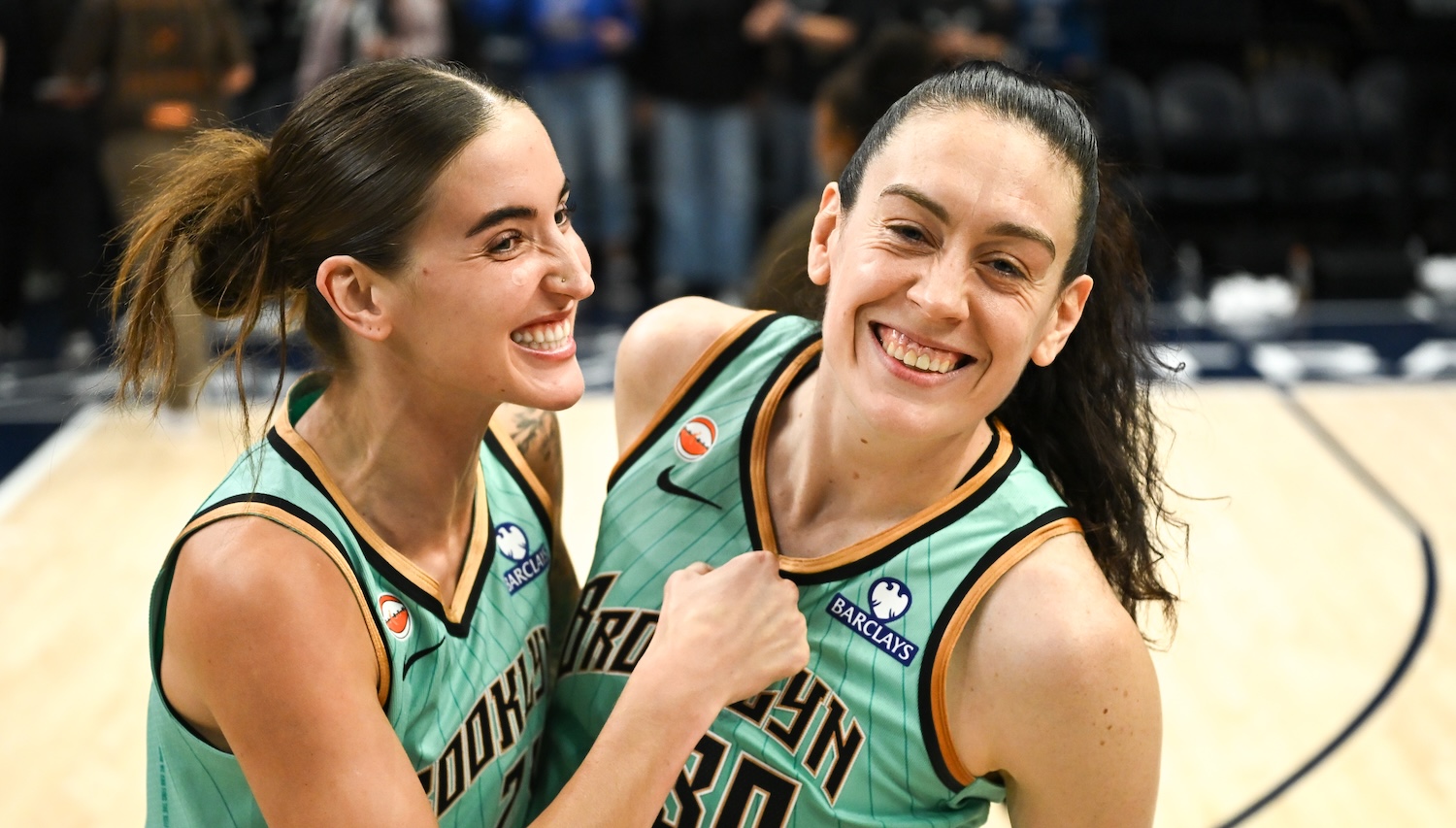
From Left: Isobel Borlase (Atlanta Dream), Alanna Smith (Dallas Wings), Rebecca Allen (New York Liberty) and Steph Talbot (Las Vegas Aces). Photos: Getty Images
Highlights
Eight Australians set to earn AUD $7.5M in active WNBA salaries under new CBA
- $5.2M: Alanna Smith signs richest contract in history
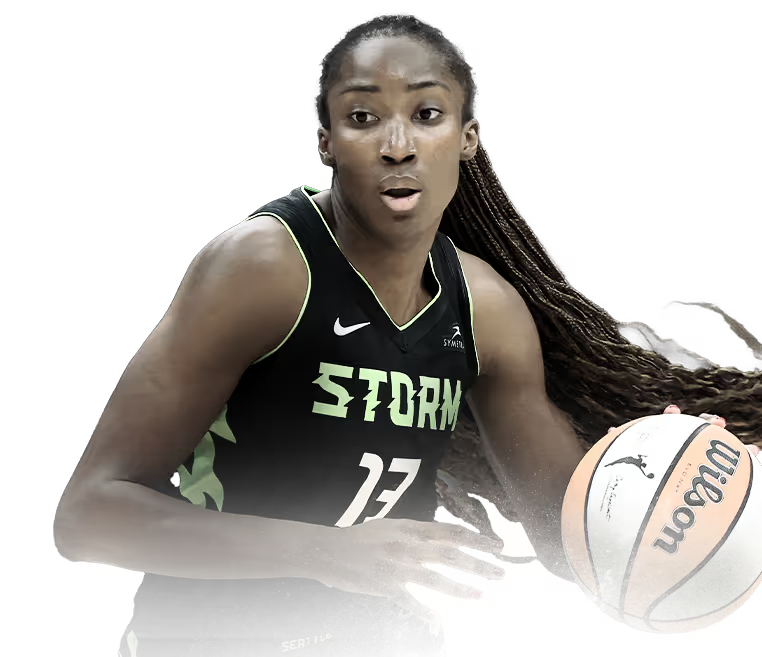
- Opal Ezi Magbegor lands $2M Storm supermax contract
- Alanna Smith signs Project B deal after massive Wings payday
Australian WNBL star Anneli Maley has taken the long way around to a full-time contract in the WNBA.
Maley, 28, earned a training camp contract with the Liberty in early May, was waived before being picked up by the Phoenix Mercury but was waived again.
The Liberty resigned her to a Development Player contract on May 24 and today (Friday, September 4) signed her to a permanent deal.
Australian wing Chloe Bibby again proved her resilience. She signed as a Development Player with the Chicago Sky on July 1, 2026 (AEST) for the remainder of the season but a month later moved to the Minnesota Lynx on a standard contract.
Opals Alanna Smith and Ezi Magbegor are million-dollar Australian basketballers, headlining the richest era Australian women have ever experienced in the WNBA.
The Opals bigs both signed three-year contracts worth USD $3.75 million ahead of the 2026 season, leading a wave of Australian talent cashing in as the WNBA’s new collective bargaining agreement reshapes the global women’s basketball market.
Smith joined the Dallas Wings on a deal averaging USD $1.25 million per season, including a 2026 base salary of USD $1.19 million, while Magbegor became one of the league’s coveted core players after re-signing with the Seattle Storm on an identical contract.
In total, Australian players hold active WNBA contracts worth a combined AUD $7.78 million entering the 2026 season.
Veteran Opals guard Sami Whitcomb remains among the league’s highest-paid Australians after re-signing with the Phoenix Mercury, while Rebecca Allen returned to the New York Liberty, the franchise where her WNBA career began.
Jade Melbourne, Georgia Amoore, Stephanie Talbot and Isobel Borlase also entered the season on active contracts as Australia’s presence across the league continued to grow.

The 2026 campaign marks the first season under the WNBA’s new collective bargaining agreement, which lifted the salary cap to USD $7 million per team and dramatically increased player earning power across the competition.
Superstar salaries have now pushed beyond USD $1 million annually, while veteran minimums, rookie-scale deals and development player pathways have all risen significantly.
That financial boom arrived alongside one of the strongest Australian draft classes in recent memory.
Saffron Shiels, Amelia Hassett, Charlise Dunn and Manuela Puoch were all selected in the 2026 WNBA Draft in New York City.
But the league’s roster squeeze again proved brutal during training camp.
Despite signing a four-year rookie-scale contract worth approximately USD $1.23 million with the Los Angeles Sparks, Hassett was waived less than two weeks later. Unlike NBA rookie deals, WNBA contracts remain only partially guaranteed in many cases, leaving even drafted players vulnerable during final roster cuts.
Several Australians were waived during preseason cuts, including Chloe Bibby, Kristy Wallace and Maddi Rocci.
Development player opportunities also created new pathways for Australians chasing permanent roster spots.
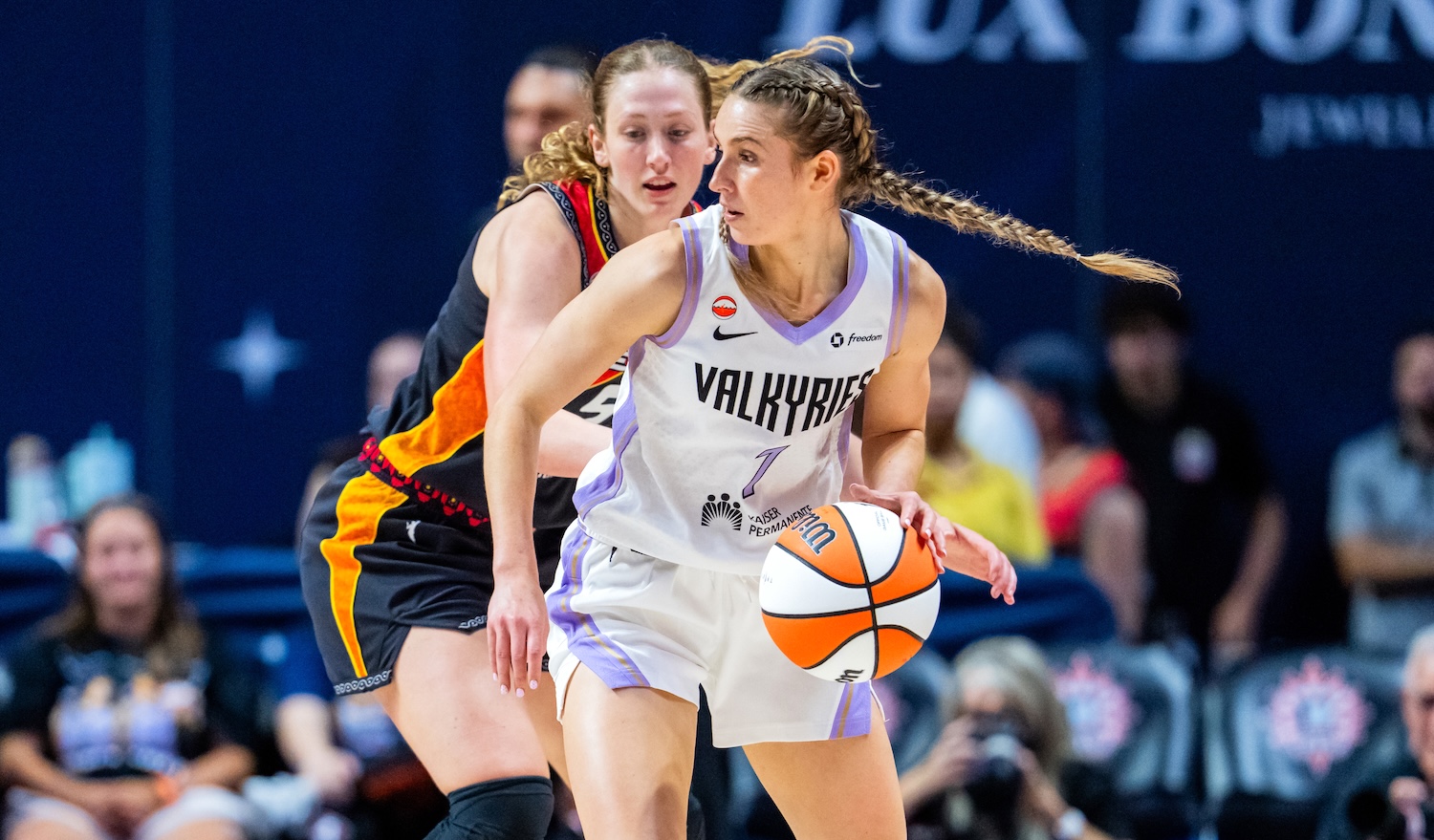
Alex Fowler signed as a development player with the Liberty after initially being waived in camp, while Miela Sowah joined the Golden State Valkyries as a development player during the preseason.
Ally Wilson also spent time in the Liberty system during training camp as Australian representation across the league reached unprecedented levels.
Australian players are now earning salaries previously unimaginable in women’s basketball, but roster spots remain among the most competitive in world sport, with teams still typically carrying only 11 or 12 players despite rapidly expanding talent pools and global investment in the league.
What is a Development Player Contract Worth
The WNBA’s new development player system also created a fresh pathway for Australians trying to break into permanent rosters. Under the league’s 2026 collective bargaining agreement, development players receive a USD $750 weekly stipend (approximately AUD $1,050) that does not count against a team’s salary cap, while players activated for games earn USD $6,136 per appearance (approximately AUD $8,550). Teams are permitted to carry up to two development players, who can practice and travel with the main squad and be activated for a maximum of 12 games during the season.
What is a Training Camp Contract
- No guaranteed salary
- Players are only paid if they make the final roster
If they don’t make the team: Usually receive a small camp stipend (a few thousand USD at most)
If they do make the roster: Convert to a standard WNBA contract. Minimum salary ≈ USD $64,000+
Amelia Hassett – Rookie Scale Contract (Explained)
A “rookie scale” deal in the WNBA is not a guaranteed four-year contract in the NBA sense — it’s a team-controlled structure with limited security.
Contract Structure
- Length: Up to 4 years
- Years 1–2: Team control (standard rookie scale)
- Years 3–4: Team options (must be exercised by the franchise)
If the team declines an option, the contract ends immediately.
Salary
- Fixed by draft slot (collective bargaining agreement)
- Hassett’s reported deal (~USD $1.23M total) = maximum if all four years are exercised
- Paid season-by-season, not upfront
Guarantees (the key detail)
- Not fully guaranteed
- Late picks (like No. 35) are typically:
- Non-guaranteed or lightly guaranteed
- Players must:
- Make the final roster
- Stay on the roster to earn salary
If waived in camp/preseason:
- Only any guaranteed portion (if any) is paid
- Remaining years = void
Waived Clause
If a player is waived:
- Contract is terminated immediately
- Player enters 48-hour waiver period
- If unclaimed → becomes free agent
Roster Pressure Reality
- WNBA teams carry 11–12 players
- Training camp rosters often exceed 15+
- Even drafted players are routinely cut
A rookie-scale contract is effectively: “Opportunity-based, not security-based.”






.jpg)

.png)