
11
Jul
Moneyball: Brown's blunt message every Aussie needs to hear

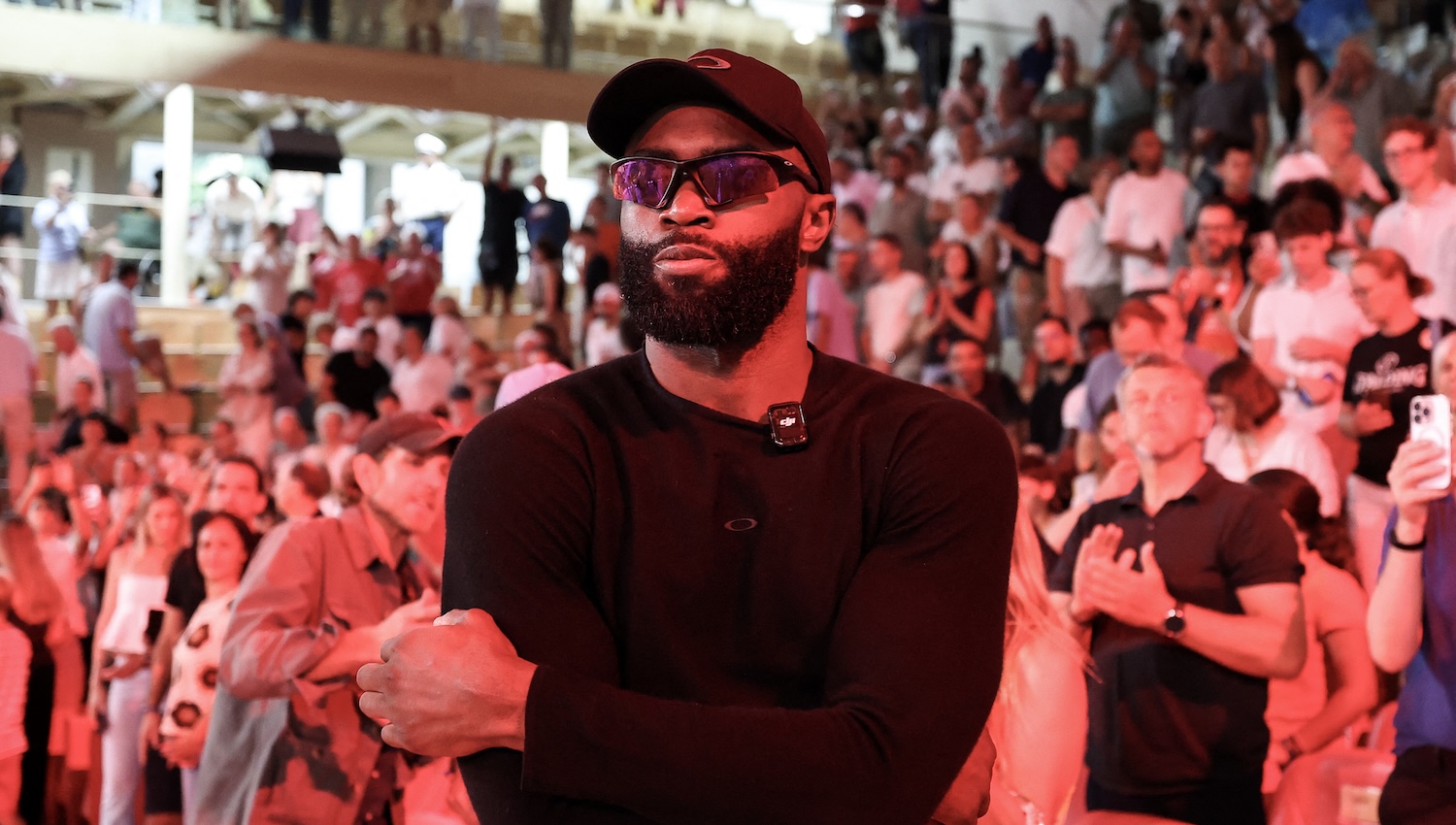
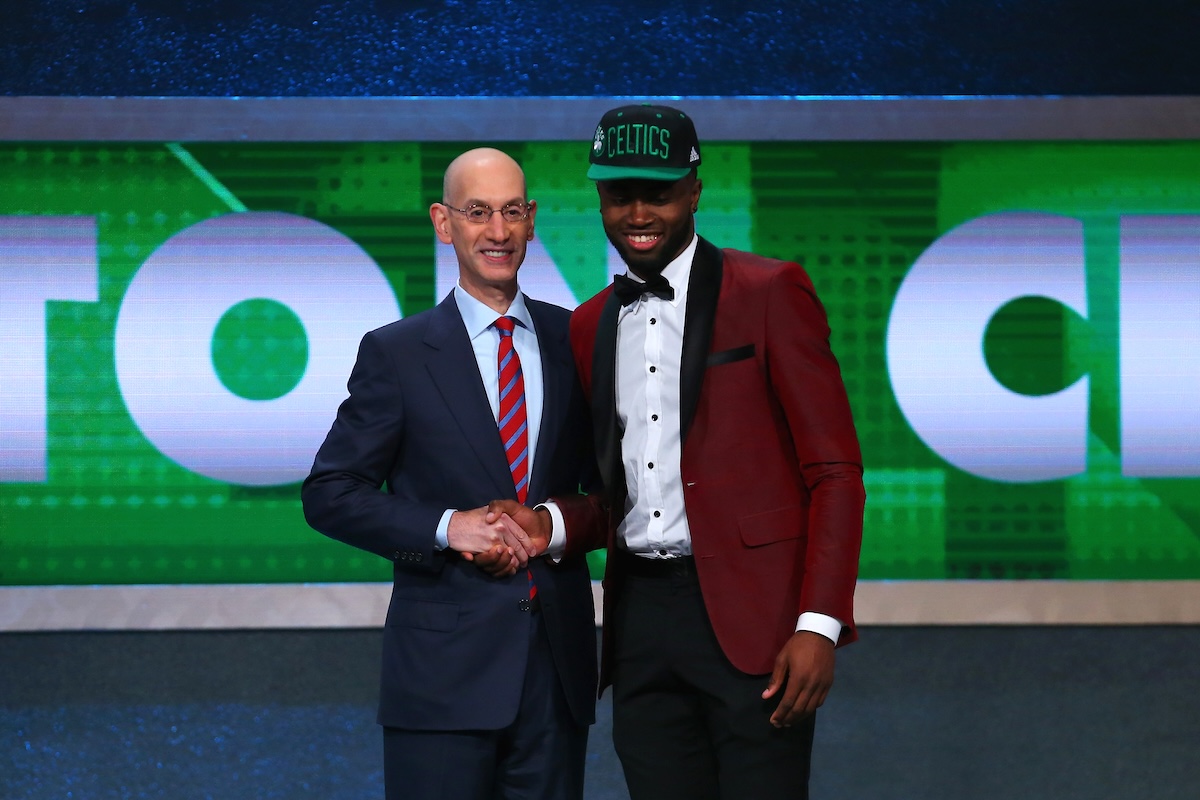
Newly traded Philadelphia 76ers star Jaylen Brown has launched a scathing attack on the traditional player-agent model, saying young athletes need advisers who can help build lasting wealth – not just negotiate contracts. Photo: Valery HACHE / AFP via Getty Images
Rich Paul, Ben Madgen and Jaylen Brown share six financial lessons every young Australian must know
- Dropping Dimes: Ben Madgen on beating the NIL money trap
- Australia's TWO BILLION dollar men's basketball players
- Patty Mills' Tony Parker reunion reveals financial reality for veterans
Traded NBA star Jaylen Brown has set fire to the player-agent model, echoing retired Sydney Kings captain Ben Madgen’s belief that young athletes are not getting the financial support they need to manage instant wealth.
“I hope I ruffle all the (expletive) feathers,” Brown, who was traded by the Boston Celtics to the Philadelphia 76ers, said.
“The agency model isn't working. It's a bunch of players going broke when they retire.
“It's like 60% of players within the first 10 years are losing the majority of their wealth after making millions of dollars. Living check to check. You can blame the athlete, maybe they living expenses, but they was 18 or 19 when they came into wealth, and the people that represented them didn't help them handle that in any capacity or care to.
“After they get you and they get in your pocket, they just go get the next one and get in his pocket.
“This is what I'mma stand on. And this could be controversial, but I don't care.
"If you can't help me at 18 or 19 to maintain my wealth, build a legacy, and keep what I'm earning and be able to influence me on my decision-making, you shouldn't be representing me in the first place.
“Shouldn't even be allowed to walk into my house. But we allow this agency model. They keep coming in, and they keep stripping everything, and we giving it right back to the same people that were giving it to us in the first place. Giving it right back.
“Something got to change. There's been people taking advantage of these 18, 19 young kids, and nobody says nothing. I think that's a part of the problem where we don't say that and we just allow that to be normalised.
“No, that (expletive) ain't normal. You get millions of dollars, and now you broke. And the people that's representing you can't even pick up the phone now. These people have continued to do that, and they're gonna continue to do it because they see it as business and economic opportunity.”
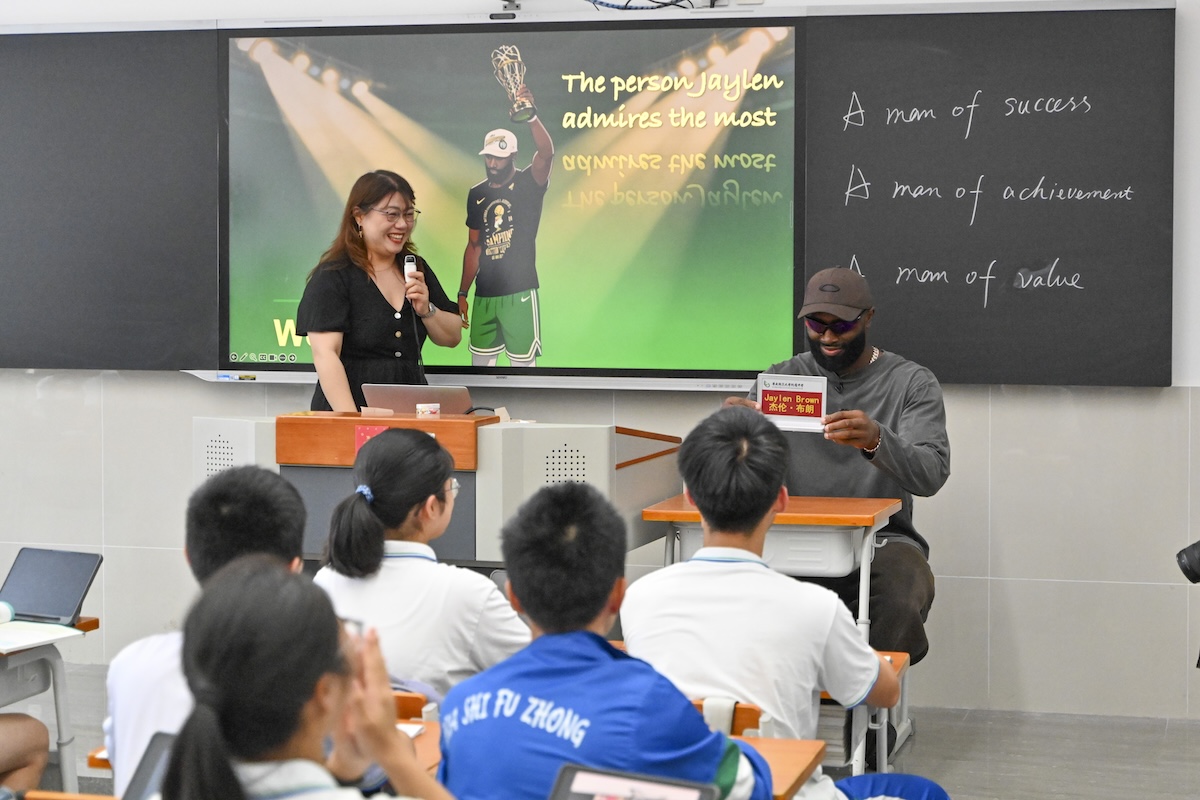
In an exclusive interview with basketball.com.au, Madgen, 41, said young “athletes are not bad with money,” but it’s the system supporting them to make the right decisions that is “failing them”.
"Nobody sits an 18-year-old down and says, ‘here's what this contract could mean for the next 40 years of your life'," Madgen said.
“We hand out playbooks for pick-and-roll defense but not for an investment strategy.
"I want to be the person who closes that gap."
Madgen is now an Investment Advisor at Evan's & Partners in Sydney, focusing on helping rising Australian basketball stars after signing their first contracts, especially Name, Image and Likeness (NIL) in American college basketball.
Almost 190 Australian men and women will suit up for American division 1 colleges in the 2026-27 season.
"NIL has changed the college landscape, and most people haven't caught up to how big it's gotten,” Madgen said.
“You've got college athletes between 18 and 23 earning seven figures a year, and for a lot of them, that NIL deal is the single biggest contract they will ever sign in their life.
“Bigger than whatever comes after college, in plenty of cases. That's not pocket money; that's a life-changing amount of money landing on someone before they've even finished a degree, and there's often no financial structure sitting underneath it at all.
"Think about what we ask an 18 or 19-year-old to manage.
“They're adjusting to being away from home, training and studying full time, and on top of all that some of them are handling more money than their parents have ever earned in a year.
“Nobody's built the support system around that yet.
“That's exactly the gap I want to help close, and given how many Australians are coming through the NCAA system right now, it's only going to matter more from here."

NBA super-agent Rich Paul said financial decisions were also a challenge for players at the end of their careers, especially with the stigmatised “NBA minimum contract” designation.
Paul told podcast co-host Max Kellerman that $3.2 million is “a lot of money” and too many NBA players cut themselves short because of ego.
“They should go away from this ‘minimum and maximum contract,” Paul said.
“It’s like $3.2 million. That’s a lot of money for just a regular job. People don’t understand that. If you can make that for three years or five years on your way out… when you finally understand what money actually is … and what to do with it…”
“Your family is finally settled. You’re living in a house that you’ll probably live in for the rest of your life.”
“If you can catch two or three extra years at the end… Guys are cutting themselves short based upon ego and attitude.”
“Then they wonder why.”
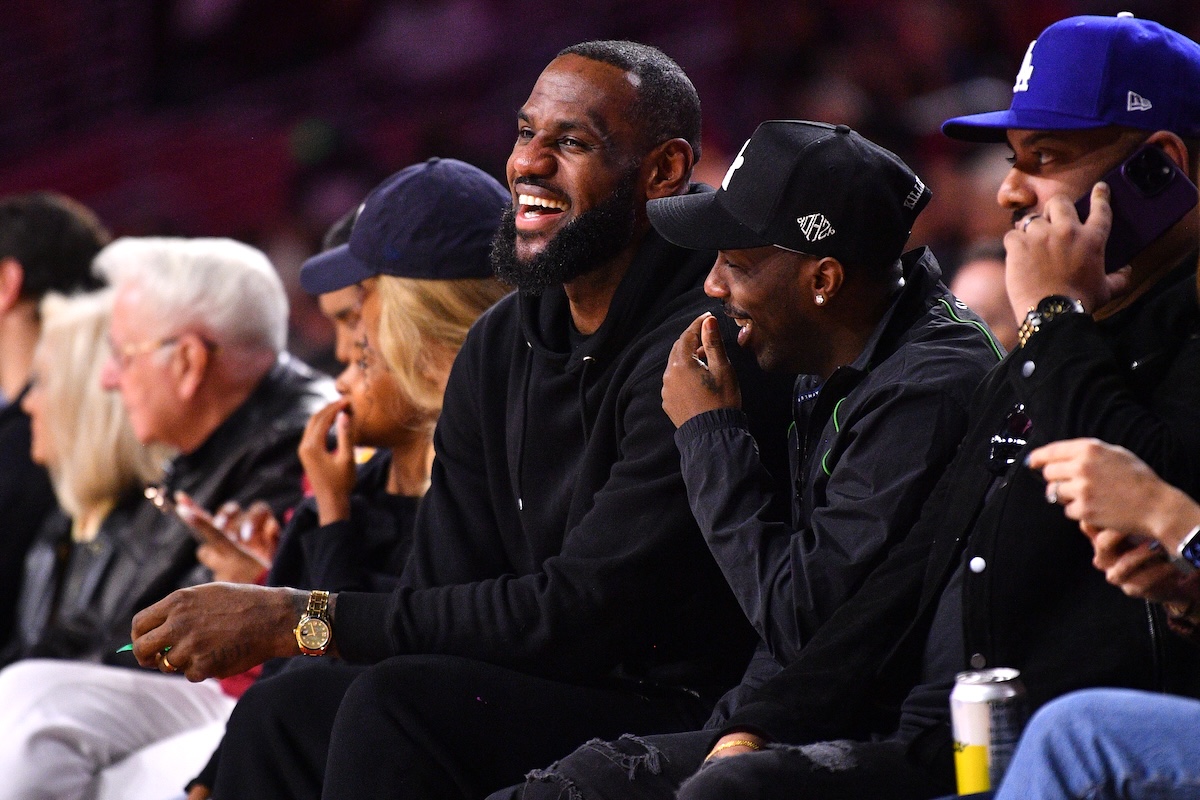
Paul delivered a stark take for young players, which every Australian college player should heed, about understanding their role while pursuing a NIL deal.
“We have a lot of NIL kids that we represent, so I was able to see their games,” Paul said.
“What I look for, Max... I was talking to a kid yesterday, and I was explaining to him how these are the times and the moments where you need to understand how to play without the ball.
“Because what happens is, a lot of times in this AAU environment, kids are playing on the ball, and they want to score all the points. The college scouts are there, and there were some NBA scouts there as well.
“You think, ‘If I score 40, that's gonna make it’. And I'm saying, yes, if you score 40, there's going to be awareness. But it depends on what you're trying to do.
“If you're trying to make a lot of NIL money, great.
“If you're trying to make life-changing, generational money, not so great.
“Because where I'm at in the NBA, there's 450 players, there's 30 teams, there's 30 number ones (point guards). The other 420 are role players.
“Regardless, if you're No. 2, 3, 4, 5, 6, 7, 8, 9 or 10, you're still a role player. And there's nothing wrong with that. And guess what? There are some very, very wealthy role players.
“One of the most professional guys in the league is Desmond Bane. Very well-made, more money...
“There was a graphic recently. He made more money than almost every athlete.
But he understands how to play without the ball. He was the best player in his city, in his state. I remember when he was coming out and went to Tennessee. He was the best player. He was a McDonald's All-American.
“But guess what? He knows how to play without the ball.”
Celtics NBA champion Brown, 29, is the youngest person to deliver a lecture at Harvard University and is not just a student of the game but the business of the game.
“When I entered the draft, I didn't have an agent,” Brown said.
“I'm probably the highest-picked selected ever that didn't enter with an agent. When I was evaluating, I went through the whole process and sat with a bunch of people, and what they was offering I ain't really need. It was kind of already slotted, so I leaned on the union a lot more”
“A lot of the agents came and was like, ‘Yeah, we'll move you to L.A. We'll get you a trainer, put some money in your pocket,’ and I was like, ‘For what? Do I gotta give the money back?’ They was like, ‘Nah, but standard agent fee is 4%.’
“I'm starting to do the math, and a house, car, and all that, whatever he was offering, is a lot less than what 4% would have been.
“Long story short, the math wasn't mathing for me. I ended up being the third pick. I think because I came in like that, a lot of people, I think it was the agents, they tried to slander my name a little bit, put it in the media that he's too this, he's too that. Ended up backfiring. It all worked out in the end.
“With the union, we pay dues. All the players in the NBA pay dues. We all pay like $10,000 out of our salary that goes to hiring lawyers, hiring staff, CEO, everything that you need to lead a company that works for us. So all of that is our resources that we all pay for, that we agree to.
“Once I learned that, I just started using it.
“They give referrals for financial advisors. All type of stuff. Foundation-wise, health insurance, whatever you need. They have a liaison that's paid to make sure that you get it done.
“So I put it on their desk like, ‘I need you to get this done.’ And they do because that's their job.”
Six biggest takeaways for young Australian basketballers:
1. Your first big contract could be your biggest
Madgen warns that many Australian college athletes will never sign a contract larger than their first NIL deal. Treat your first payday as life-changing wealth, not spending money.
2. Learn to play without the ball
Rich Paul says the NBA doesn't need 450 stars. It needs role players who defend, move, screen, cut and make winning plays. Learning to excel without dominating the ball creates longer, more lucrative careers.
3. Choose your advisers carefully
Jaylen Brown believes too many agents focus on signing young talent rather than helping them build long-term wealth. Ask whether your advisers are helping you create a legacy – not just collecting a commission.
4. Understand your money
Brown did the maths before signing with an agent and realised expensive promises often cost far more in the long run. Know what you're paying in commissions, taxes and fees before signing anything.
5. Put ego aside
Rich Paul says too many players reject "minimum" NBA contracts because of pride. A multi-year minimum deal can still provide financial security, extend a career and create generational wealth.
6. Build a support system, not just a basketball career
Madgen says young athletes are handed playbooks for basketball but rarely for managing money. Surround yourself with trusted financial, legal and personal advisers who can help you make decisions that benefit you for decades, not just your next season.
Jaylen Brown: More than an NBA star
Jaylen Brown has built a reputation as one of the NBA's most intellectually curious and socially engaged athletes, with interests and achievements that extend well beyond basketball.
- Youngest NBPA vice-president: Elected vice-president of the National Basketball Players Association at just 22 years old, making him the youngest player ever to hold the position.
- Academic credentials: Has spoken on education, leadership and technology at Harvard University, MIT and the University of California, Berkeley, where he played college basketball.
- MIT Media Lab Fellow: Named an MIT Media Lab Fellow in 2019 and helped create the Bridge Program, which mentors Greater Boston students of colour interested in STEM careers.
- Education advocate: Through his 7uice Foundation, Brown has focused on reducing educational and economic inequality while supporting youth development.
- Offered a NASA internship: Brown revealed he was offered an internship with NASA and has long maintained an interest in science, engineering, and technology.
- Youngest Harvard lecturer: Became the youngest person to deliver a lecture at Harvard University.
- Largest contract while studying robotics: Was attending a robotics class when he learned he had agreed to what was then the largest contract in NBA history.
- No traditional draft agent: Before entering the NBA, Brown assembled an advisory team rather than hiring a conventional player agent. One NBA executive reportedly described him as "too smart for the league."
- Languages and intellectual interests: Brown has interests in Spanish, history, philosophy, meditation, chess, and music.
- Content creator: Runs a YouTube channel documenting his life and training. His personal motto, FCHWPO ("Faith, Consistency, Hard Work Pays Off"), is also his social media handle.
- Faith: Converted to Islam in 2021 and completed the Umrah pilgrimage to Mecca in 2024.




.jpg)
.jpg)



.png)