
19
Jul
Aussies in the WNBA
Sandy and Angel: Two words, two countries, one controversy

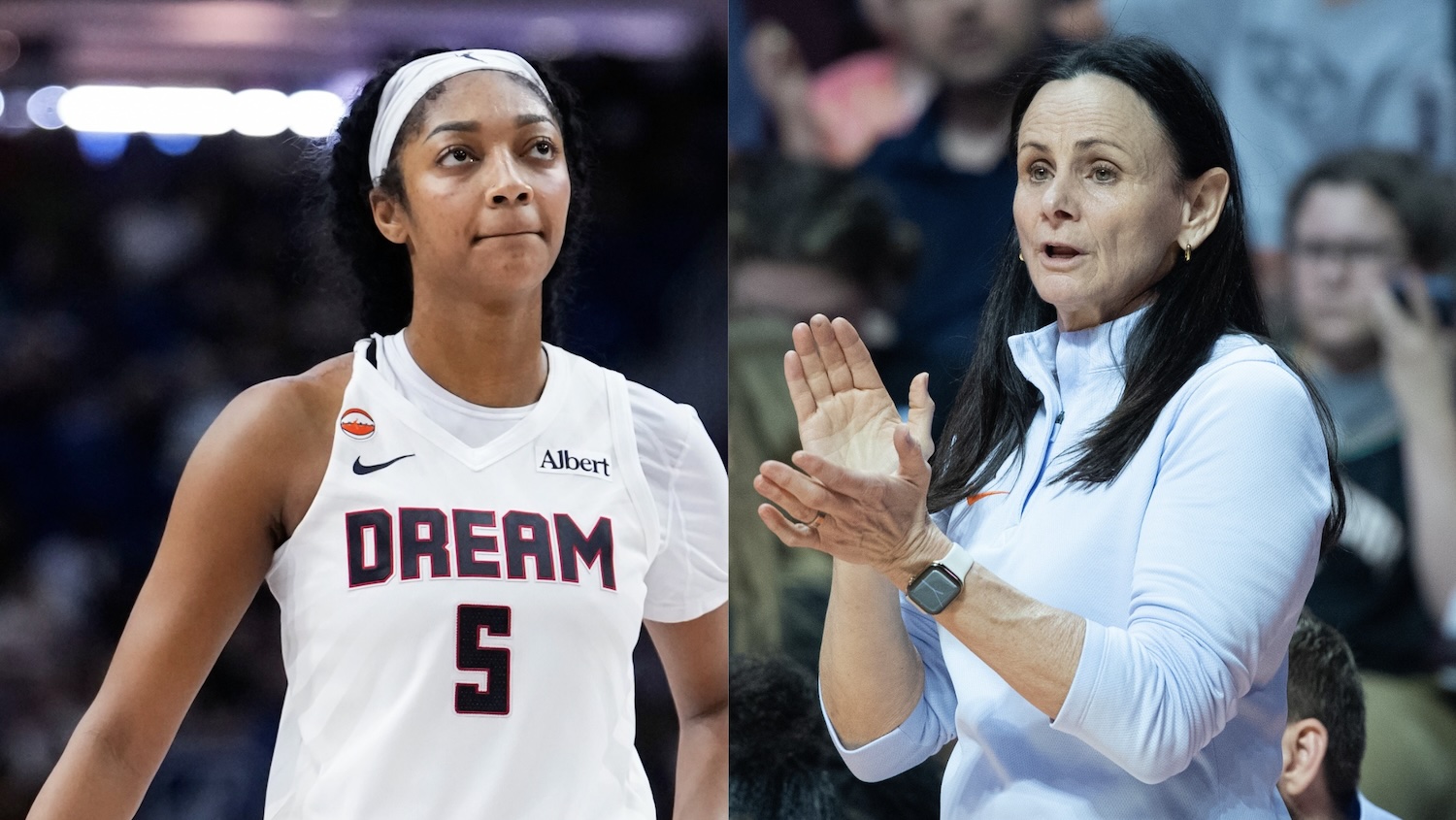
Angel Reese and Sandy Brondello. Photos: Getty Images
What Sandy Brondello meant by 'protected species' – Aussie sporting phrase at the centre of it all
- Sandy Brondello was suspended after referring to Angel Reese as a "protected species".
- In Australian sport, the phrase is commonly used to criticise perceived favourable officiating.
- The expression is not about race or endangered animals but a long-standing sporting idiom.
Australian Opals and Toronto Tempo head coach Sandy Brondello's description of WNBA star Angel Reese as a "protected species" has sparked debate around the world, but in Australia the phrase carries a very different meaning than many overseas interpreted.
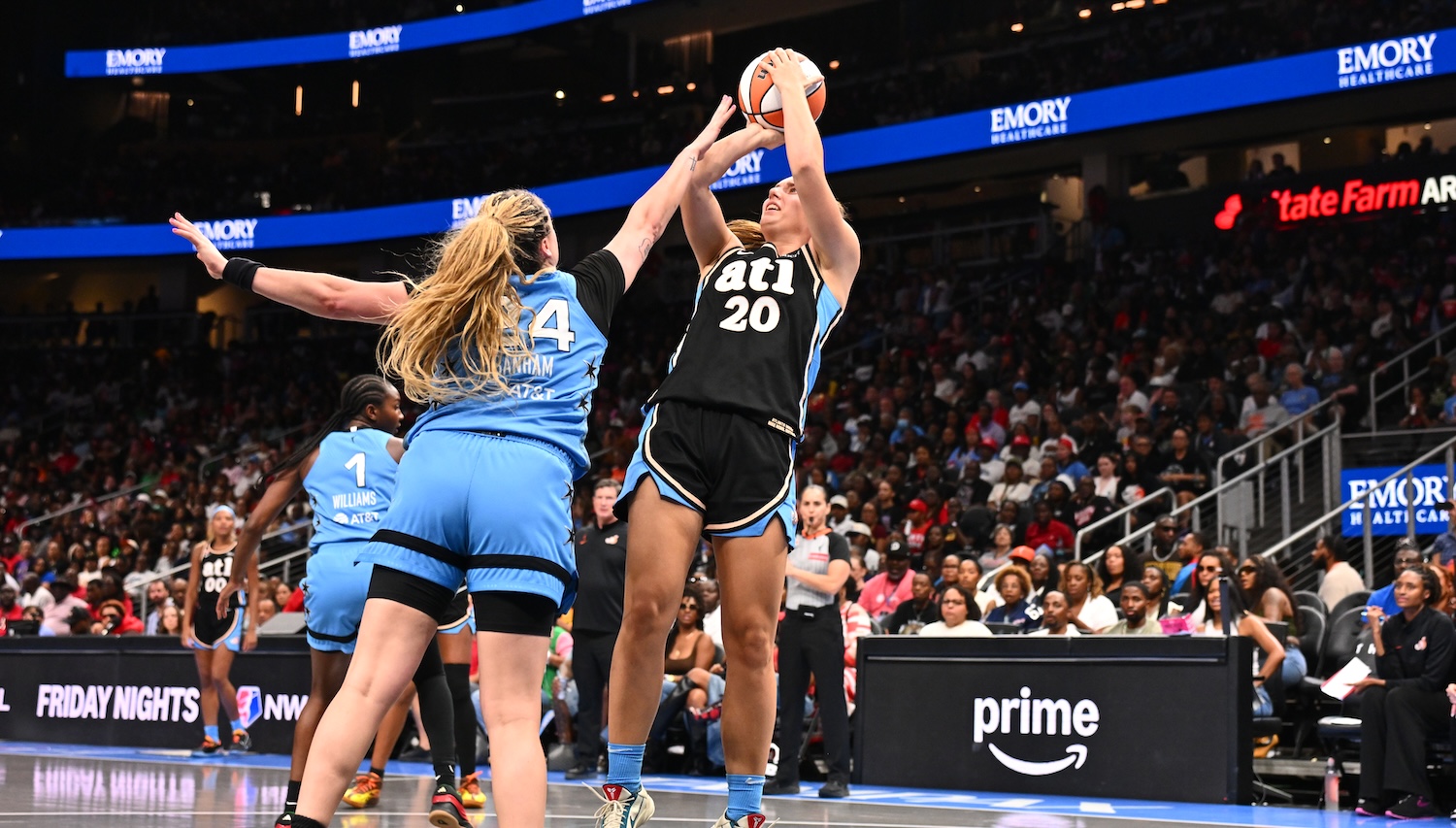
Brondello was suspended without pay for one game by the WNBA after making the comment during Toronto's 111-92 loss to the Atlanta Dream on Saturday, July 18, 2026 (AEDT). She later apologised publicly, saying she should not have used the phrase.
LATEST: WNBA suspends Sandy Brondello after Angel Reese comment
RELATED: Sandy Brondello's suspension has opened a 'can of worms'
RELATED: Becky Hammon: "I know Sandy as a very high-quality person'
For many Australians, however, "protected species" is a familiar piece of sporting language that has been used for decades to describe players perceived to receive favourable treatment from referees or umpires.
It is not a reference to race, ethnicity or a person's identity. Instead, it is a colloquial expression suggesting an athlete is officiated differently because of their reputation, status or standing within a competition.
A phrase heard across Australian sport
Australian sports fans have long used the term across football, cricket, rugby league, rugby union, basketball and tennis.
Supporters might jokingly claim a champion full-forward is a "protected species" because they regularly receive free kicks. Cricket fans have used it to describe star batters they believe receive favourable umpiring decisions.
Basketball followers often use the expression when discussing superstars who appear to draw more fouls than role players.
The phrase is rarely intended literally. It is sporting shorthand for perceived preferential treatment from officials.
Every major sporting nation has similar expressions.
In the United States, fans often complain that a player receives a "superstar whistle."
In football (soccer), supporters talk about players being "untouchable."
Australian sporting culture simply evolved its own version.
Why Brondello used it
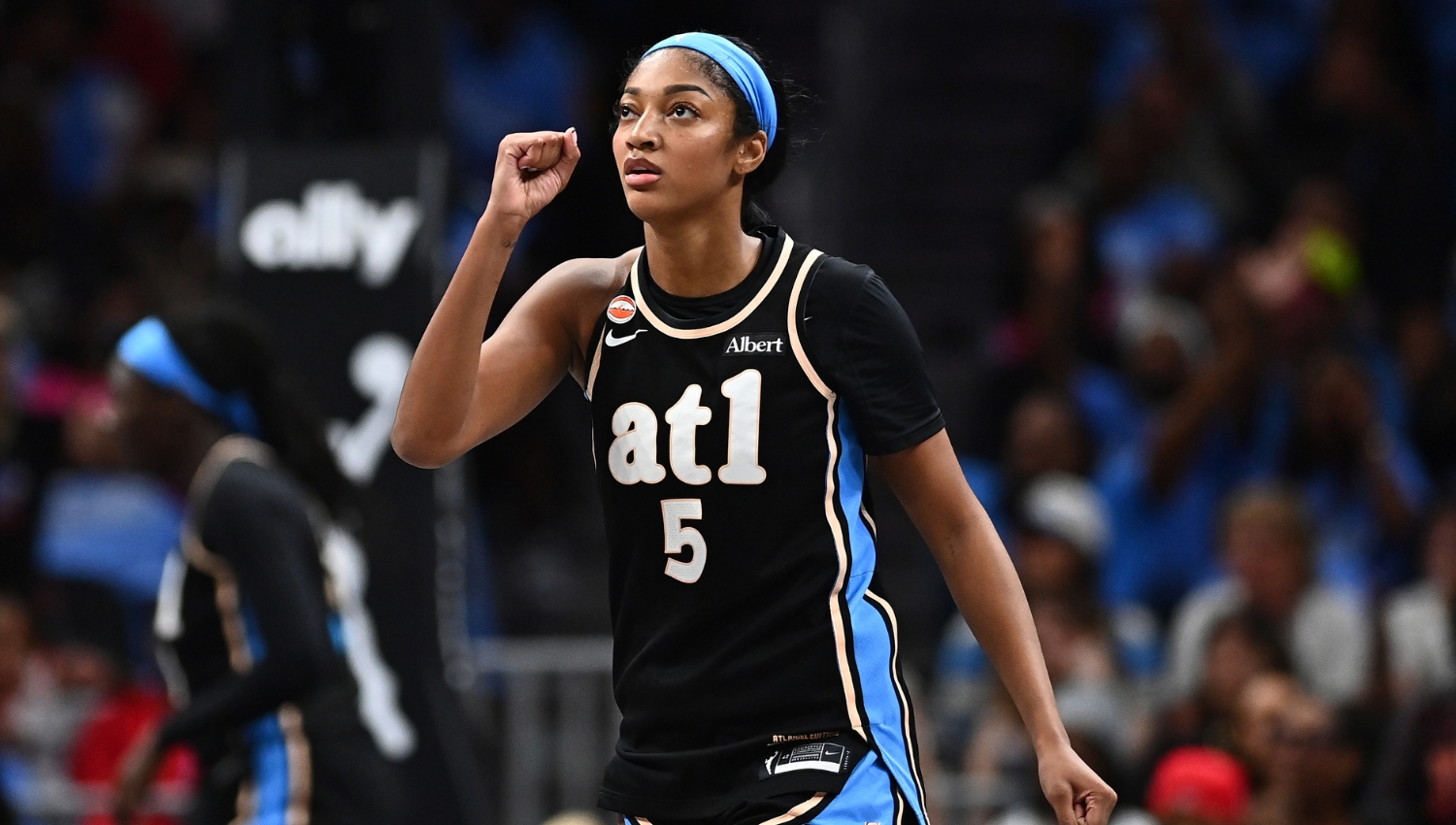
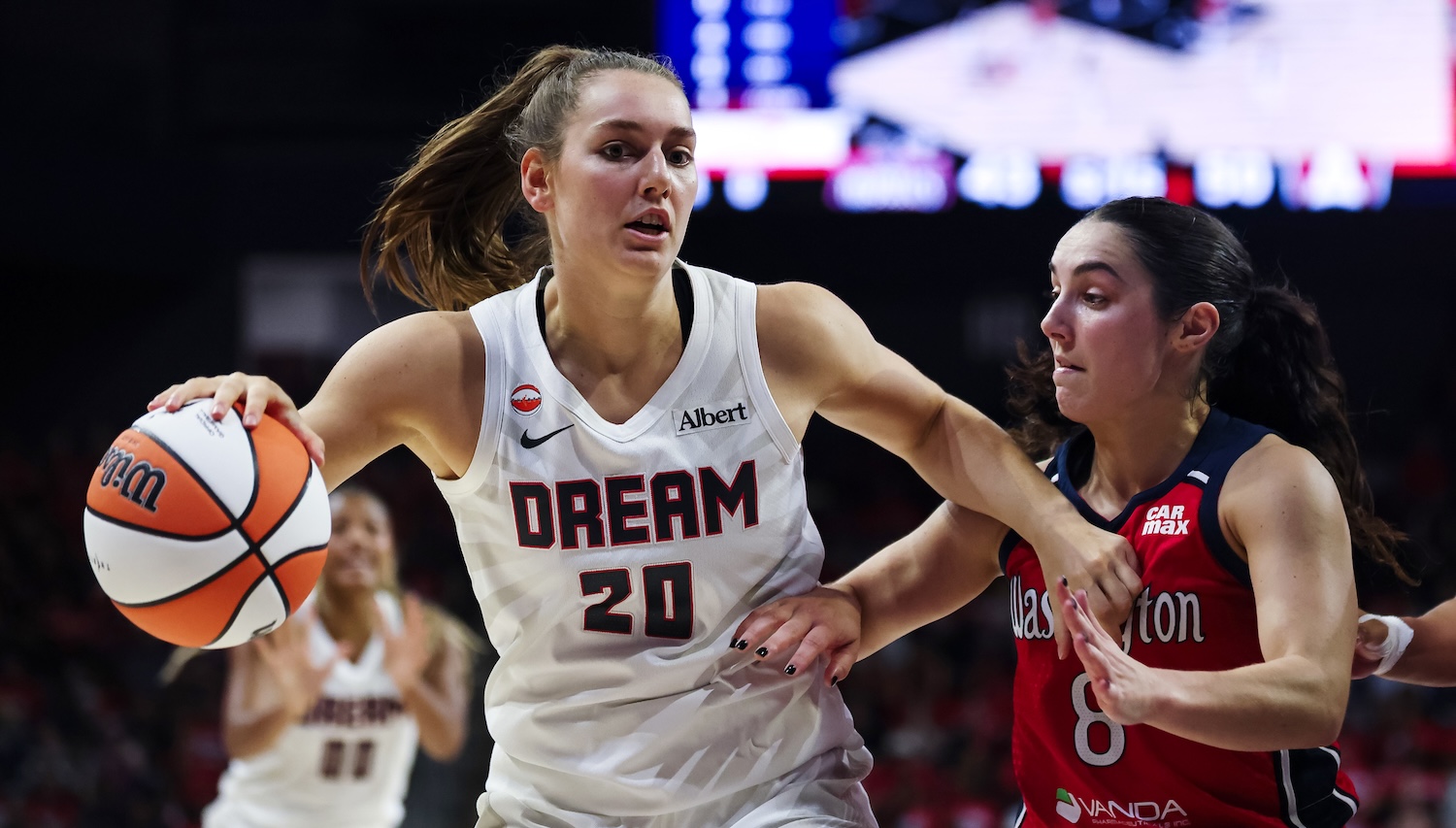
The incident happened with 3:16 remaining in the fourth quarter after Atlanta Dream forward Angel Reese drove to the basket and collided with Toronto's Nyara Sabally. As Sabally fell heavily to the floor, Brondello reacted from the sideline while disputing the officiating.
"Angel, she's a protected species," Brondello was heard saying.
"Oh, come on. You can agree. It's (expletive)."
The comment was captured by courtside microphones and quickly spread across social media, where many viewers outside Australia interpreted the phrase differently to its traditional sporting meaning.
The WNBA's response
The WNBA announced Brondello had been suspended without pay for one game.
"Toronto Tempo Head Coach Sandy Brondello has been suspended without pay for one game for an inappropriate comment she made regarding Angel Reese of the Atlanta Dream during the Tempo's 111-92 loss to the Dream yesterday in Toronto," the league said in a statement.
"The WNBA expects all coaches and team personnel to uphold the highest standards of professionalism and respect that are fundamental to our league."
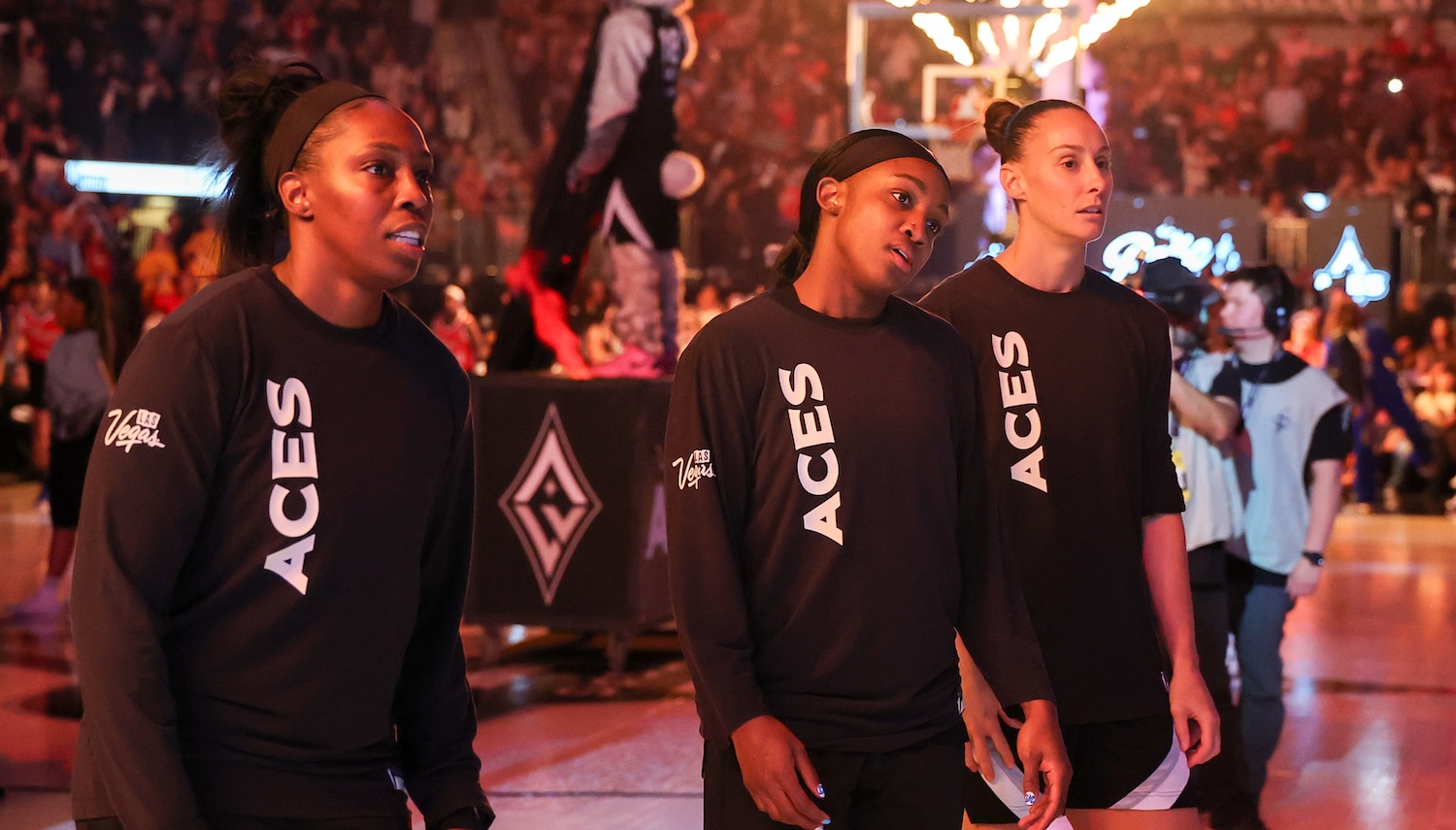
Brondello will serve the suspension when Toronto hosts the Las Vegas Aces.
Brondello apologises
Following the controversy, Brondello apologised directly to Reese.
She acknowledged that while she intended to complain about officiating, the phrase was inappropriate in the context in which it was heard.
"I shouldn't have used that phrase," Brondello said.
"I apologised to Angel because I never want my words to be interpreted in a way that hurts somebody."
Why Angel Reese's concerns shouldn't be dismissed
While many Australians immediately recognised "protected species" as a common sporting expression, that does not mean Angel Reese's reaction should be dismissed.
Words do not exist in a vacuum. They are shaped by culture, history and personal experience. An expression that is relatively commonplace in one country can carry a very different meaning somewhere else.
Reese has spent much of her career at the centre of intense public scrutiny. As one of the WNBA's biggest stars, she has frequently spoken about the abuse, criticism and stereotypes she has faced, particularly as a high-profile Black woman in American sport. Against that backdrop, hearing herself described as a "protected species" was understandably interpreted differently than many Australians intended.
That difference in interpretation does not necessarily mean Brondello intended to insult Reese on a personal or racial level, but it helps explain why the comment resonated so strongly in the United States.
Both realities can be true at the same time.
Brondello was using a phrase familiar to many Australian sports fans to express frustration with officiating, while Reese was entitled to hear those words through the lens of her own lived experience and the cultural context in which she competes.
The controversy serves as a reminder that in an increasingly global game, coaches, players and fans cannot assume sporting language will always translate across borders. What sounds like harmless sporting shorthand in one country may carry unintended meaning in another, making context and empathy just as important as intent.
Lost in translation?
The controversy highlights how sporting language does not always translate across cultures.
Expressions commonly understood in one country can carry entirely different meanings elsewhere, particularly when isolated in short video clips shared globally within minutes.
While "protected species" has long been embedded in Australian sporting vernacular as criticism of officiating, the reaction in North America demonstrated that many viewers interpreted the phrase through a different cultural lens.
For Brondello, one of Australia's most respected basketball coaches and a Hall of Fame player, the incident became less about the basketball itself and more about how language can change meaning across borders in an increasingly global sport.





.jpg)

.jpg)
.png)